
This guide covers hypertension management at home through simple lifestyle changes, balanced diet, and daily habits. It helps control high blood pressure naturally, reduce health risks, and support better long-term cardiovascular health and overall well-being.
Understanding Hypertension
Hypertension arises when the force of blood against artery walls remains elevated over time. A reading consistently at or above 130/80 mm Hg is classified as high blood pressure. There are two main categories: primary hypertension, which develops gradually due to a combination of genetics, diet, and lifestyle factors; and secondary hypertension, which results from identifiable medical conditions such as kidney disease or hormonal disorders.
Often called the “silent killer,” hypertension may not present obvious symptoms until it reaches advanced stages, which is why regular monitoring is extremely important for early detection and ongoing health protection. According to the Centers for Disease Control and Prevention (CDC), one in three adults in the United States has high blood pressure, yet many people remain undiagnosed, making home monitoring a key part of effective hypertension management. By tracking blood pressure at home, you can observe daily fluctuations that might not be detected during occasional clinic visits.
Key contributors to elevated blood pressure include excessive sodium intake, physical inactivity, obesity, chronic stress, smoking habits, and poor sleep quality, all of which can gradually increase cardiovascular risk over time. Even small but consistent lifestyle improvements—such as replacing processed snacks with fresh fruits and vegetables, drinking more water, engaging in daily walking or light exercise, and reducing stress through relaxation techniques—can significantly improve overall heart health and support better hypertension management in the long run.
Common Causes and Risk Factors
- High sodium (salt) intake, especially from processed and packaged foods that increase fluid retention and raise blood pressure over time
- Lack of regular physical activity, which weakens heart function and reduces the body’s ability to regulate blood pressure efficiently
- Obesity or being overweight, which increases strain on the heart and contributes to higher arterial pressure levels
- Chronic stress and poor sleep patterns, both of which trigger hormonal changes that elevate blood pressure readings
- Smoking and alcohol consumption, which damage blood vessels and interfere with normal cardiovascular function
- Genetic predisposition, where family history increases the likelihood of developing hypertension
- Kidney or endocrine disorders, which can disrupt hormonal balance and lead to secondary hypertension
Blood Pressure Classification Table
| Category | Systolic (mm Hg) | Diastolic (mm Hg) |
|---|---|---|
| Normal | Less than 120 | Less than 80 |
| Elevated | 120–129 | Less than 80 |
| Stage 1 Hypertension | 130–139 | 80–89 |
| Stage 2 Hypertension | 140 or higher | 90 or higher |
| Hypertensive Crisis | 180+ | 120+ |
Why Early Detection Matters
- Prevents long-term damage to the heart, brain, and kidneys by identifying risks early before complications develop
- Reduces the chances of serious conditions such as stroke, heart attack, and chronic kidney disease through timely intervention
- Helps improve treatment outcomes by allowing doctors and patients to adjust lifestyle or medication plans effectively
- Supports better long-term hypertension management by enabling consistent tracking and informed health decisions
Simple Daily Actions for Better Control
- Reduce intake of processed, fried, and salty foods while focusing on fresh fruits, vegetables, whole grains, and heart-healthy meals
- Engage in at least 20–30 minutes of daily walking, light exercise, or physical activity to improve circulation and heart function
- Maintain a healthy body weight through balanced nutrition and regular physical movement to reduce strain on the cardiovascular system
- Practice stress management techniques such as deep breathing, meditation, yoga, or relaxing hobbies to stabilize blood pressure levels
- Monitor blood pressure regularly at home using a reliable device to track changes and detect early warning signs
- Follow a consistent, balanced diet plan designed to support long-term cardiovascular health and effective hypertension management
Home-Based Strategies and Tools

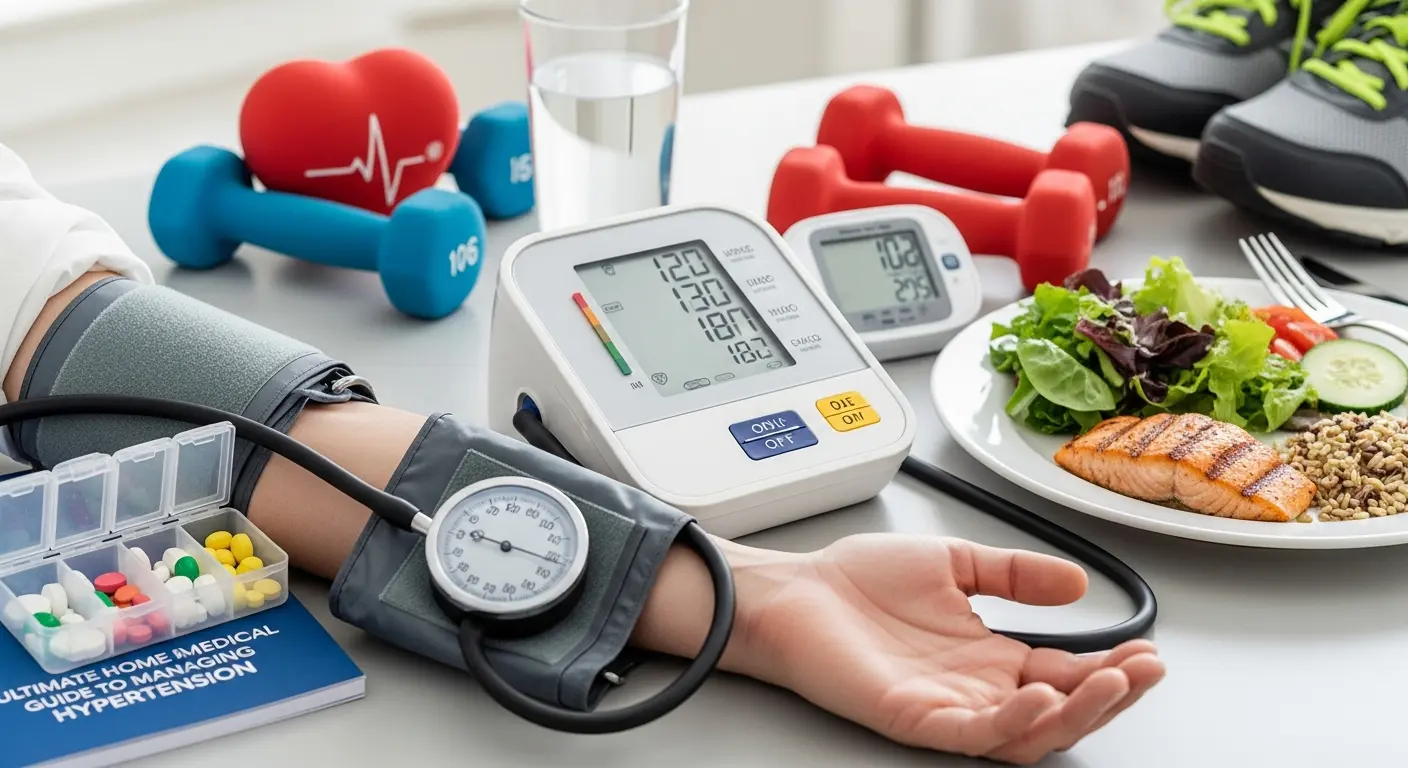
Successful management of hypertension at home depends on the use of reliable tools, consistent habits, and accurate self-monitoring practices that together form the foundation of effective hypertension management. One of the most important first steps in hypertension management is investing in a clinically validated upper-arm blood pressure monitor, as these devices are generally more accurate than wrist or finger models, which can often produce inconsistent readings. It is also essential in hypertension management to choose a device approved by recognized medical authorities and ensure that the cuff size properly fits your arm circumference, as an incorrect cuff size can significantly affect measurement accuracy. Keeping a detailed record of your readings over time helps you identify meaningful patterns such as morning blood pressure spikes, evening fluctuations, or stress-related increases, all of which are valuable for improving long-term hypertension management strategies.
For accurate blood pressure measurements, proper technique plays a critical role in ensuring reliable results that reflect your true cardiovascular condition. Before taking a reading, it is recommended in hypertension management to rest quietly for at least five minutes in a calm environment, sit with your back supported, keep your feet flat on the ground, and position the cuff at heart level to avoid measurement errors. You should also avoid consuming caffeine, engaging in physical exercise, or smoking for at least 30 minutes prior to testing, as these factors can temporarily raise blood pressure readings. To improve accuracy further in hypertension management, take two readings one minute apart and calculate the average value, as this provides a more stable and realistic result. It is best to measure your blood pressure at the same times every day, typically once in the morning and once in the early evening, to maintain consistency and track long-term trends effectively as part of structured hypertension management.
Digital technology and modern health tools can significantly enhance home monitoring and make the process more engaging and efficient for users managing blood pressure conditions. Mobile health applications and wearable devices now allow automatic recording of readings, timely reminders for measurement schedules, and visual trend charts that display blood pressure changes over days, weeks, or months, supporting better hypertension management. Many of these platforms also offer data-sharing features that allow patients to securely share their readings with healthcare providers, enabling better communication, treatment adjustments, and personalized care plans. Whether using a traditional paper logbook or a digital tracking system, the most important factor remains consistency in hypertension management, as regular monitoring helps you understand how lifestyle changes, diet, stress levels, and medication affect your condition. By integrating these tools into your daily routine, you can make more informed decisions and strengthen your overall approach to managing hypertension at home.
Essential Home Monitoring Tools Table
| Tool | Purpose | Importance in Hypertension Management |
|---|---|---|
| Upper-arm blood pressure monitor | Measures systolic and diastolic blood pressure accurately in a clinically reliable way for daily tracking | Provides consistent and medically trusted readings for better hypertension management |
| Proper cuff size | Ensures correct measurement fit on the arm for accurate pressure reading without error | Prevents false high or low readings and improves reliability in hypertension management |
| Digital health apps | Stores, tracks, and analyzes blood pressure readings over time with charts and trends | Helps identify patterns and improves long-term hypertension management decisions |
| Wearable devices | Monitors heart rate, activity levels, and overall cardiovascular trends throughout the day | Supports continuous awareness and strengthens hypertension management habits |
| Paper logbook | Manually records daily blood pressure readings along with notes on lifestyle factors | Provides a simple, reliable backup for consistent hypertension management tracking |
| Timer or reminder alerts | Schedules daily measurement routines and ensures timely monitoring habits | Ensures discipline and consistency in hypertension management practice |
Step-by-Step Home Measurement Guide
- Sit in a quiet place and rest for at least five minutes before checking blood pressure to ensure a stable and accurate reading that supports proper hypertension management
- Keep your back supported, feet flat on the floor, and avoid crossing your legs so that blood circulation remains natural and readings stay reliable
- Place the cuff on the bare upper arm at heart level to ensure correct positioning and avoid measurement errors that can affect hypertension management accuracy
- Take two readings one minute apart and record the average value for more stable and realistic blood pressure tracking
- Measure at the same time every day, preferably morning and evening, to maintain consistency and improve long-term hypertension management results
- Avoid caffeine, smoking, or exercise at least 30 minutes before measurement to prevent temporary spikes in blood pressure
- Record all readings consistently with notes on lifestyle factors to support better long-term hypertension management decisions
Key Benefits of Home Monitoring
- Early detection of abnormal blood pressure changes that help prevent serious complications and support timely hypertension management
- Better control through daily tracking and awareness of how lifestyle choices impact blood pressure levels
- Improved communication with healthcare providers using accurate home-recorded data for better treatment planning
- More effective long-term hypertension management decisions based on real-time and historical blood pressure trends
- Reduced risk of heart attack, stroke, and other cardiovascular complications through consistent monitoring
Common Mistakes to Avoid
- Using wrist or finger monitors without clinical validation, which may lead to inaccurate readings and poor hypertension management decisions
- Taking readings immediately after physical activity, which can temporarily raise blood pressure and distort results
- Measuring blood pressure in a stressed or rushed state instead of a calm environment, affecting accuracy
- Incorrect cuff placement or using the wrong cuff size, which can significantly impact hypertension management reliability
- Inconsistent timing of daily measurements, which makes it harder to track true blood pressure patterns
Lifestyle Modifications for Blood Pressure Control
 Adopting targeted lifestyle changes is central to long-term blood pressure management. The Dietary Approaches to Stop Hypertension (DASH) eating plan is widely endorsed by the National Institutes of Health for its efficacy in reducing systolic pressure by up to 14 mm Hg. It emphasizes fruits, vegetables, whole grains, lean proteins, and low-fat dairy—nutrient-dense foods rich in potassium, magnesium, and calcium.
Begin by planning meals in advance. Aim to fill half your plate with colorful produce, one-quarter with lean protein (such as fish, poultry, or legumes), and one-quarter with whole grains. Replace salt with herbs, spices, or citrus zest, and read labels to keep sodium under 300 mg per serving. Hydration also matters; target 6–8 glasses of water daily while limiting sugary drinks and excessive caffeine.
Physical activity complements dietary efforts by strengthening the heart, improving circulation, and aiding weight management. The American Heart Association recommends at least 150 minutes of moderate exercise—brisk walking, cycling, or swimming—each week, plus muscle-strengthening activities on two days. Break sessions into manageable increments of 10–15 minutes if needed. Simple habits like taking the stairs, parking farther away, or pacing during phone calls contribute to meeting weekly goals.
Stress management completes the triad. Chronic stress triggers adrenaline and cortisol release, both of which elevate blood pressure. Integrate relaxation techniques—deep breathing, progressive muscle relaxation, guided imagery, or mindfulness meditation—into your day. Even five minutes of focused breathing in the morning or evening can establish a calm baseline that carries you through busy routines. By weaving nutritious eating, regular movement, and stress reduction into daily life, you enhance your ability to manage hypertension at home effectively.
Self-Monitoring and Tracking Progress
Regular self-monitoring offers real-time feedback on how lifestyle changes and treatments affect blood pressure, making it a vital part of effective hypertension management. Keeping a detailed log helps you identify triggers and successes, enabling more informed discussions with your healthcare team. Note each measurement’s date, time, and context—such as before breakfast or post-exercise—and record corresponding factors like stress level or meal composition to better understand overall blood pressure patterns.
Leverage technology for streamlined tracking, as modern tools significantly improve hypertension management outcomes. Many blood pressure monitors sync with smartphone apps, automatically charting readings over days and months. Visual trends highlight progress and reveal anomalies needing attention. For instance, a persistent evening rise in blood pressure may signal late-day stressors, while morning spikes could relate to overnight sodium balance or medication timing issues.
If you prefer analog methods, a paper diary works equally well for long-term hypertension management. Bullet journal formats allow space for notes on sleep quality, physical activity, and dietary choices, creating a comprehensive health snapshot. Weekly reviews of your log empower you to adjust goals—perhaps reducing daily sodium intake or adding an extra walk session—while also celebrating improvements when blood pressure averages move in the right direction.
Sharing your records during clinical visits enhances personalized care and supports better hypertension management decisions. With concrete data in hand, your provider can optimize medication dosages, recommend targeted lifestyle adjustments, or investigate secondary causes if blood pressure remains uncontrolled. Ultimately, consistent self-monitoring is the cornerstone of managing hypertension at home, fostering accountability, awareness, and collaboration for long-term blood pressure control.
Integrating Medication and Professional Collaboration
 While lifestyle adjustments form the foundation of blood pressure control, many individuals require medications to reach target levels. Common prescriptions include diuretics, ACE inhibitors, angiotensin II receptor blockers (ARBs), calcium channel blockers, and beta blockers. Each class operates via distinct pathways—mobilizing excess fluid, relaxing blood vessels, or modulating hormonal responses to improve blood pressure regulation in Hypertension cases.
Medication management at home involves routine, adherence, and awareness, which are essential parts of long-term hypertension management. Take your pills at the same time daily, using alarms, smartphone reminders, or a pill organizer to avoid missed doses. Never alter or discontinue medication without consulting your healthcare provider, as abrupt changes can trigger rebound hypertension or unstable blood pressure levels.
Understand potential side effects—such as dizziness, fatigue, or electrolyte imbalances—and report concerns promptly to ensure safe Hypertension treatment. Periodic laboratory tests, particularly for kidney function and electrolyte levels, may be necessary. Ask your provider about combining drugs from different classes to achieve better blood pressure control with minimal side effects, which supports effective hypertension management.
Professional collaboration extends beyond prescribing medication. Schedule follow-up visits as recommended—often every three to six months—to review progress and adjust strategies for improved blood pressure stability. Telehealth consultations can supplement in-person assessments, allowing you to share home-monitored data and discuss challenges in real time. This integrated approach strengthens overall hypertension management and long-term Hypertension care.
Frequently Asked Questions
1. What is hypertension management?
Hypertension management refers to the process of controlling high blood pressure through lifestyle changes, proper diet, regular monitoring, stress control, and sometimes medication to reduce the risk of heart disease and stroke.
2. Can hypertension be managed at home?
Yes, hypertension management at home is possible through regular blood pressure monitoring, healthy eating, reduced salt intake, physical activity, stress control, and consistent lifestyle habits.
3. What is the normal blood pressure range?
A normal blood pressure reading is generally less than 120/80 mm Hg. Readings above this level may require lifestyle adjustments or medical attention depending on severity.
4. How often should I check my blood pressure at home?
For effective hypertension management, it is recommended to check blood pressure once in the morning and once in the evening, or as advised by a healthcare professional.
5. Which device is best for home blood pressure monitoring?
A clinically validated upper-arm blood pressure monitor is considered the most accurate and reliable option for home use.
6. Can diet help in controlling high blood pressure?
Yes, a balanced diet low in salt and rich in fruits, vegetables, whole grains, and lean proteins plays a major role in hypertension management and blood pressure control.
7. What foods should be avoided in hypertension?
Processed foods, fast food, salty snacks, sugary drinks, and excessive caffeine should be limited to support better blood pressure regulation in Hypertension.
8. Does stress affect blood pressure?
Yes, chronic stress can increase blood pressure levels, making stress management an important part of hypertension management and overall Hypertension care.
9. Can exercise help reduce hypertension?
Regular physical activity such as walking, cycling, or light exercise helps improve heart health and supports long-term blood pressure control in Hypertension.
10. When should I see a doctor for high blood pressure?
You should consult a doctor if your readings are consistently high (130/80 mm Hg or above) or if you experience symptoms like chest pain, dizziness, or shortness of breath related to blood pressure issues.
Conclusion
Managing Hypertension at home is a dynamic process that blends informed lifestyle choices, precise self-monitoring, and strategic medication use to maintain stable blood pressure. By mastering techniques for accurate blood pressure measurement, adopting a heart-healthy diet, staying active, and reducing stress, you lay a strong foundation for long-term hypertension management. Consistent logging of blood pressure readings—whether in a diary or through an app linked to reputable sources like the National Institutes of Health (NIH)—provides the data needed to refine your approach and improve Hypertension outcomes.
Collaboration with healthcare professionals ensures that your individualized plan remains safe and effective for ongoing blood pressure control. Empower yourself today by integrating these practical steps into your daily routine. With dedication and support, you can achieve sustained Hypertension control, minimize risks, and enjoy the confidence that comes from actively managing hypertension at home.