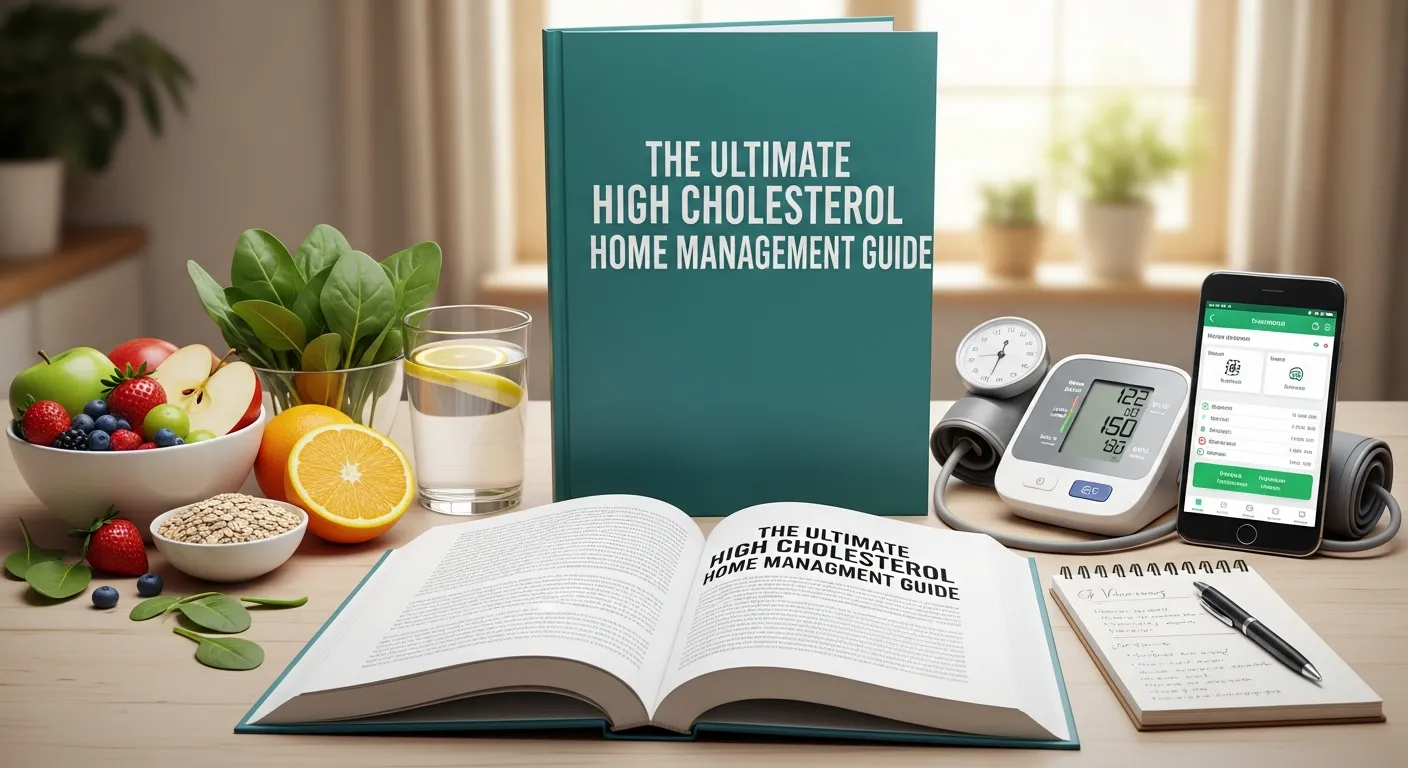
The High Cholesterol Home Management Guide explains practical ways to control and reduce cholesterol levels from home through diet, lifestyle changes, exercise, and regular monitoring. It helps improve heart health, lower LDL cholesterol, and reduce the risk of cardiovascular diseases using simple and effective daily habits.
High cholesterol often operates without any obvious warning signs. Many people feel completely healthy, unaware that excess fats are quietly accumulating inside their arteries. Left unchecked, this silent buildup can restrict blood flow and drastically increase the risk of a heart attack or stroke. Recognizing this hidden threat is the essential first step toward protecting your cardiovascular health.
Taking charge of your daily habits forms the foundation of effective prevention and care. Medical treatments prescribed by doctors are highly beneficial, but they work best when combined with healthy choices made outside the clinic. A proactive approach to your daily routine can dramatically improve your lipid profiles. Using a comprehensive High Cholesterol Home Management Guide gives you the tools needed to navigate your diet, exercise, and lifestyle choices with confidence.
This guide covers everything you need to know to take control of your cholesterol levels. You will learn the basic biology of cholesterol, discover practical dietary changes, explore effective lifestyle modifications, and understand how to monitor your progress. By applying these actionable strategies from a High Cholesterol Home Management Guide, you can lower your health risks and build a stronger, more resilient heart.
Understanding High Cholesterol
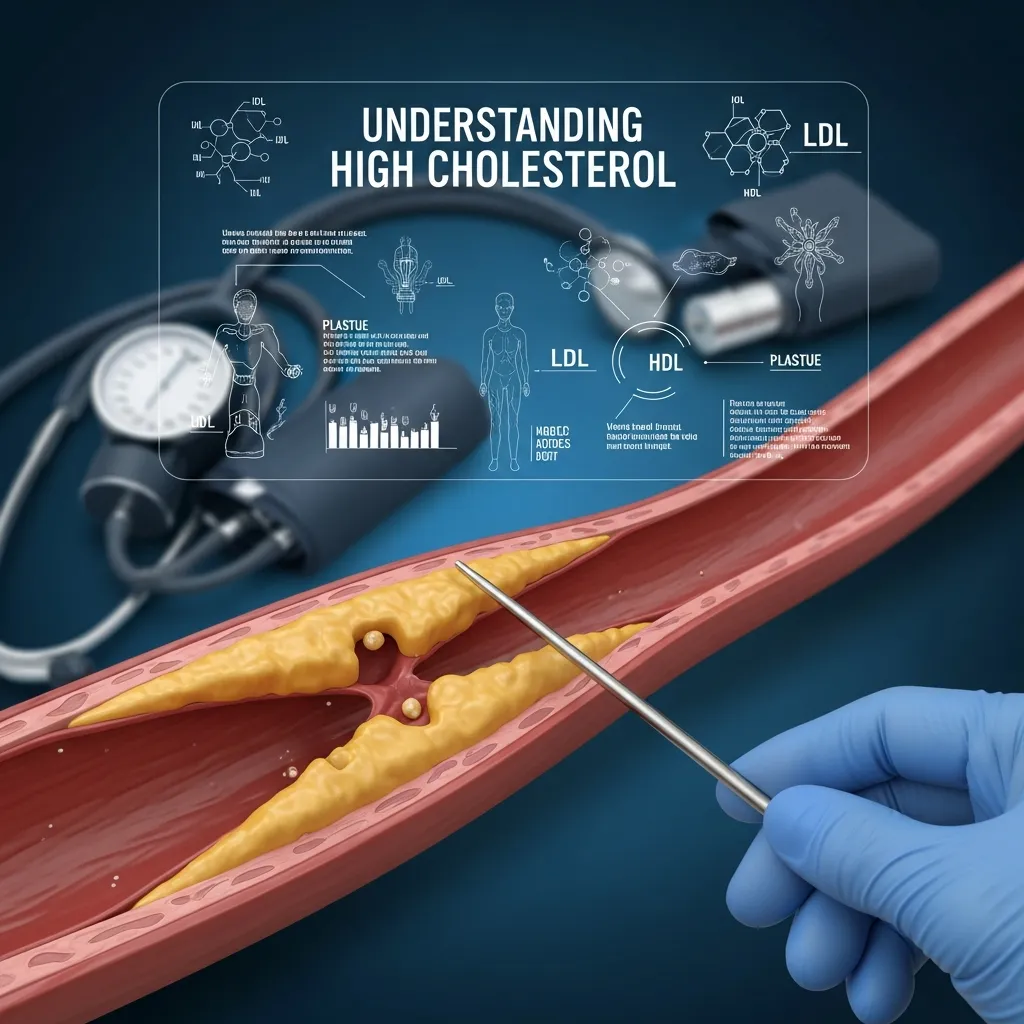 Before you can effectively lower your cholesterol, it helps to understand what it actually is and how it functions inside your body, as explained in a High Cholesterol Home Management Guide.
What is cholesterol? (LDL, HDL, triglycerides)
Cholesterol is a waxy, fat-like substance found in all the cells of your body. Your liver produces all the cholesterol you need to build healthy cells, make hormones, and digest food. However, problems arise when you have too much of it circulating in your blood. Cholesterol travels through your bloodstream on proteins called lipoproteins.
Low-density lipoprotein (LDL) is commonly known as the “bad” cholesterol. High levels of LDL lead to plaque buildup in your arteries. High-density lipoprotein (HDL) is the “good” cholesterol, as it carries cholesterol back to the liver to be flushed from the body. Triglycerides are another type of fat in the blood. When you consume excess calories, your body converts them into triglycerides, which can also increase heart disease risk when combined with high LDL or low HDL, as highlighted in a High Cholesterol Home Management Guide.
Causes and risk factors
Several factors influence your cholesterol levels. Your genetics play a significant role, as familial hypercholesterolemia can cause high LDL levels from birth. Dietary habits, particularly eating foods high in saturated and trans fats, contribute heavily to elevated cholesterol. Lack of physical activity, smoking, and carrying excess body weight further compound these risks. Age and certain medical conditions, such as diabetes or hypothyroidism, can also alter your lipid profile, all of which are addressed in a High Cholesterol Home Management Guide.
Symptoms and diagnosis
High cholesterol typically has no symptoms. The only way to detect it is through a simple blood test called a lipid panel. This test measures your total cholesterol, LDL, HDL, and triglycerides. Health experts recommend that adults have their cholesterol checked every four to six years, or more frequently if they have a family history of heart disease or other risk factors, as advised in a High Cholesterol Home Management Guide.
Dietary Interventions
The food you eat directly impacts your blood cholesterol levels. Adjusting your daily menu is a highly effective way to protect your heart, as recommended in a High Cholesterol Home Management Guide.
Heart-healthy eating principles
A heart-healthy diet focuses on whole, nutrient-dense foods. The goal is to reduce the intake of fats that raise LDL while increasing the consumption of nutrients that actively lower it. Emphasizing fresh produce, whole grains, and lean proteins helps stabilize your lipid profile and supports overall cardiovascular health, a key part of any High Cholesterol Home Management Guide.
Foods to avoid
To lower your LDL levels, you must limit saturated fats found in red meat, full-fat dairy products, and tropical oils like palm and coconut oil. Trans fats, often listed as partially hydrogenated oils on ingredient labels, should be avoided entirely, as they raise bad cholesterol and lower good cholesterol. Reducing your intake of highly processed snacks and fried foods will make a noticeable difference in your numbers, as highlighted in a High Cholesterol Home Management Guide.
Foods to embrace
Focus on adding foods rich in soluble fiber, such as oatmeal, kidney beans, apples, and Brussels sprouts. Soluble fiber binds to cholesterol in the digestive system and removes it from the body. Omega-3 fatty acids, found in fatty fish like salmon and mackerel, do not lower LDL directly, but they offer exceptional heart benefits by lowering triglycerides. You should also incorporate foods fortified with plant sterols and stanols, which help block the absorption of cholesterol, an important strategy in a High Cholesterol Home Management Guide.
Sample meal plans and recipes
Start your morning with a bowl of steel-cut oats topped with sliced almonds and fresh berries. For lunch, enjoy a large spinach salad with grilled chicken, chickpeas, olive oil, and a splash of lemon juice. A heart-healthy dinner might feature baked salmon, roasted sweet potatoes, and steamed asparagus. Snacking on walnuts or carrot sticks throughout the day will keep you full and energized while supporting your High Cholesterol Home Management Guide plan.
Lifestyle Modifications
Diet alone is rarely enough. Moving your body and managing daily habits are crucial components of cardiovascular health, as emphasized in a High Cholesterol Home Management Guide.
Importance of regular exercise
Regular physical activity helps raise your HDL cholesterol while simultaneously increasing the size of the LDL particles, making them less harmful. Aim for at least 150 minutes of moderate aerobic exercise, such as brisk walking, cycling, or swimming, each week. Incorporating strength training two to three times a week builds muscle mass and improves overall metabolic function, a key part of a High Cholesterol Home Management Guide approach.
Maintaining a healthy weight
Carrying extra weight, particularly around your abdomen, contributes to higher LDL and lower HDL levels. Losing even a small percentage of your total body weight can significantly improve your cholesterol numbers. Focus on creating a sustainable caloric deficit through balanced eating and daily movement, as recommended in a High Cholesterol Home Management Guide.
Stress management techniques
Chronic stress triggers the release of cortisol, which can elevate your blood sugar and indirectly impact your cholesterol levels. Finding effective ways to relax is essential for heart health. Practices such as mindfulness, deep breathing exercises, and yoga can calm your nervous system. For more tips on managing stress-related health factors, consider reading our Ultimate Home Medical Guide to Managing Hypertension.
Quitting smoking and reducing alcohol intake
Smoking damages your blood vessel walls, making them more prone to accumulate fatty deposits, while also lowering your HDL cholesterol. Quitting smoking yields rapid benefits for your heart. Additionally, limit alcohol consumption. Drinking too much alcohol can raise your triglyceride levels and contribute to high blood pressure.
Natural Supplements and Remedies
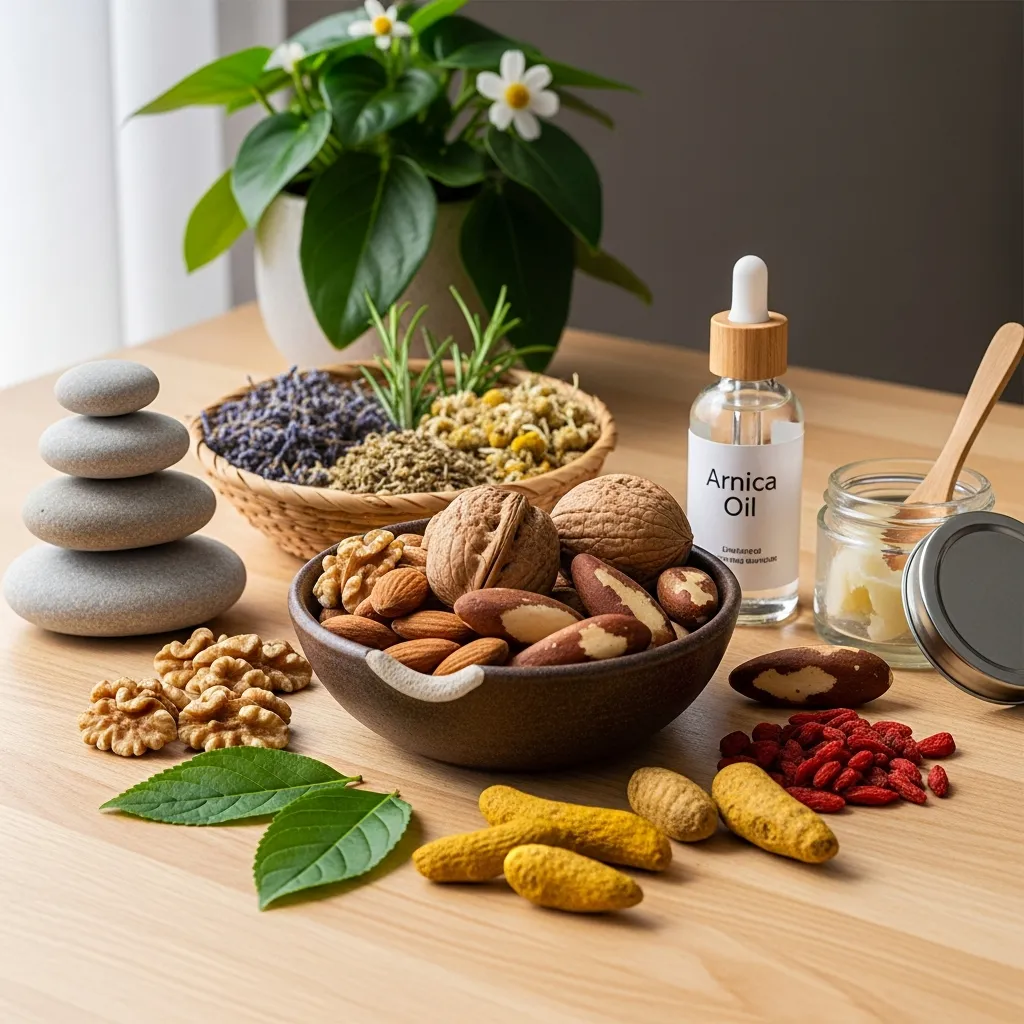 Some people use dietary supplements to complement their healthy eating and exercise routines. Always discuss these with your doctor before starting, as advised in a High Cholesterol Home Management Guide.
Omega-3 fatty acids
Fish oil supplements provide concentrated doses of omega-3 fatty acids. They are highly effective at lowering elevated triglyceride levels and reducing inflammation in the arteries, making them a common part of a High Cholesterol Home Management Guide approach.
Plant sterols and stanols
Available in supplement form or added to certain foods like margarine spreads, sterols and stanols mimic the structure of cholesterol. They compete with dietary cholesterol for absorption in your digestive tract, successfully lowering LDL levels, as noted in a High Cholesterol Home Management Guide.
Soluble fiber supplements
If you struggle to get enough fiber through your diet, a supplement like psyllium husk can bridge the gap. Stirring psyllium powder into a glass of water daily helps pull cholesterol out of your system and supports a High Cholesterol Home Management Guide plan.
Red yeast rice
Red yeast rice contains a naturally occurring compound that is chemically identical to the active ingredient in statin medications. Because the concentration of this compound varies widely among unregulated supplements, it must be used with extreme caution and medical supervision in any High Cholesterol Home Management Guide strategy.
Coenzyme Q10
Coenzyme Q10 (CoQ10) is an antioxidant that your body produces naturally. Some individuals taking cholesterol-lowering medications use CoQ10 supplements to alleviate muscle aches, though clinical evidence regarding its effectiveness remains mixed, and it is sometimes included in a High Cholesterol Home Management Guide discussion.
Monitoring and Medical Management
Home management works best alongside professional medical guidance. Regular tracking ensures your efforts are moving your health in the right direction.
Regular check-ups and cholesterol screenings
Schedule routine appointments with your primary care physician to monitor your progress. The Centers for Disease Control and Prevention (CDC) recommends regular lipid profiles to catch any dangerous fluctuations early. Consistent screenings reveal whether your lifestyle modifications are working or if alternative interventions are necessary.
Understanding your lab results
When you receive your lab results, look closely at the breakdown. A healthy total cholesterol level is generally under 200 mg/dL. Your LDL should ideally fall below 100 mg/dL, while your HDL should be 60 mg/dL or higher for optimal protection. Triglycerides should remain under 150 mg/dL.
When to consult a doctor
Reach out to your healthcare provider if you experience severe side effects from any supplements, or if your lifestyle changes fail to move the needle after several months. Do not wait for symptoms to appear, as high cholesterol remains silent until severe complications arise.
Overview of common medications
If lifestyle adjustments fall short, your doctor may prescribe medications. Statins are the most common and effective drugs for lowering LDL cholesterol. Other options include ezetimibe, which prevents cholesterol absorption in the intestine, and PCSK9 inhibitors, which are injectable drugs that help the liver clear LDL from the blood more efficiently.
Adherence to prescribed treatments
Taking your medication exactly as prescribed is vital. Skipping doses or stopping your medication without consulting your doctor can lead to a dangerous rebound in cholesterol levels. If you experience bothersome side effects, discuss them with your healthcare team to find an alternative solution.
Creating a Personalized Plan
 Success requires a structured approach. Building a routine tailored to your specific needs guarantees better long-term results.
Setting realistic goals
Avoid trying to overhaul your entire life overnight. Set small, achievable goals, such as adding one serving of vegetables to your dinner or walking for twenty minutes after lunch. Gradual changes are far easier to sustain than drastic diet restrictions.
Tracking progress
Keep a journal or use a smartphone app to log your meals, exercise sessions, and medical appointments. Documenting your daily habits provides a clear picture of your consistency and helps you identify areas that need improvement.
Seeking support
You do not have to manage this condition alone. Share your goals with family and friends who can encourage your healthy habits. Joining an online or local support group connects you with others facing similar health challenges, providing motivation and practical advice.
Overcoming challenges and staying motivated
You will inevitably face setbacks, such as a busy week that disrupts your exercise routine or a holiday dinner filled with saturated fats. Acknowledge these moments without guilt, and immediately return to your heart-healthy habits the next day. Consistency over time yields the greatest rewards.
Debunking Myths about Cholesterol
Misinformation can derail your health goals. It is important to separate scientific facts from popular fiction.
Common misconceptions and facts
Many people believe that all cholesterol is bad. As explained earlier, HDL is essential for clearing harmful fats from your blood. Another common myth is that thin people cannot have high cholesterol. Weight is only one factor; genetics and diet heavily influence your lipid profile, meaning people of all body types are at risk. Finally, some assume that dietary cholesterol (like that found in eggs) directly causes high blood cholesterol. According to the American Heart Association, saturated and trans fats have a much greater impact on your blood cholesterol levels than dietary cholesterol itself.
Sustaining a Heart-Healthy Future
Taking control of your cardiovascular health requires daily commitment, but the payoff is immense. By understanding your lipid numbers, choosing whole foods, exercising regularly, and partnering with your healthcare provider, you can safely and effectively manage this condition. Do not wait for a medical emergency to prompt action. Implement the strategies outlined in this guide today, step by step, and build a lasting foundation for a healthier, more vibrant life.
Conclusion
A High Cholesterol Home Management Guide is essential for taking control of heart health naturally and effectively. By following balanced nutrition, regular exercise, weight management, and healthy daily routines, individuals can reduce cholesterol levels and improve overall cardiovascular health. With consistent effort and proper guidance, the High Cholesterol Home Management Guide helps lower the risk of heart disease and supports long-term well-being.
FAQ
1. What is a High Cholesterol Home Management Guide?
A High Cholesterol Home Management Guide is a practical approach to managing cholesterol levels through diet, exercise, and lifestyle changes at home.
2. Can high cholesterol be managed without medication?
In some cases, yes. A High Cholesterol Home Management Guide shows that healthy lifestyle changes may help control cholesterol, though some people still need medical treatment.
3. What foods help lower cholesterol?
Foods like oats, fruits, vegetables, nuts, and fatty fish are commonly recommended in a High Cholesterol Home Management Guide.
4. Which foods should be avoided?
A High Cholesterol Home Management Guide advises limiting saturated fats, trans fats, fried foods, and processed snacks.
5. How much exercise is needed to control cholesterol?
Most High Cholesterol Home Management Guide recommendations suggest at least 150 minutes of moderate exercise weekly.
6. What is LDL and HDL cholesterol?
LDL is “bad” cholesterol that can clog arteries, while HDL is “good” cholesterol that removes excess LDL from the body.
7. Can weight loss improve cholesterol levels?
Yes, a High Cholesterol Home Management Guide highlights that even small weight loss can improve cholesterol balance.
8. Are natural supplements safe for cholesterol control?
Some supplements may help, but a High Cholesterol Home Management Guide recommends consulting a doctor before use.
9. How often should cholesterol be checked?
Adults should follow a High Cholesterol Home Management Guide suggestion of checking every 4–6 years or more frequently if at risk.
10. What is the most important step in managing cholesterol at home?
Consistency in diet, exercise, and lifestyle habits is the key principle of a High Cholesterol Home Management Guide.