This article explains why a person may feel tired even after getting enough sleep. It explores common causes such as poor sleep quality, stress, vitamin deficiencies (like B12 and D), dehydration, and underlying health conditions. It also highlights lifestyle factors like diet, inactivity, and sleep disorders. Finally, it provides practical tips to improve sleep quality, increase energy levels, and maintain better overall health.
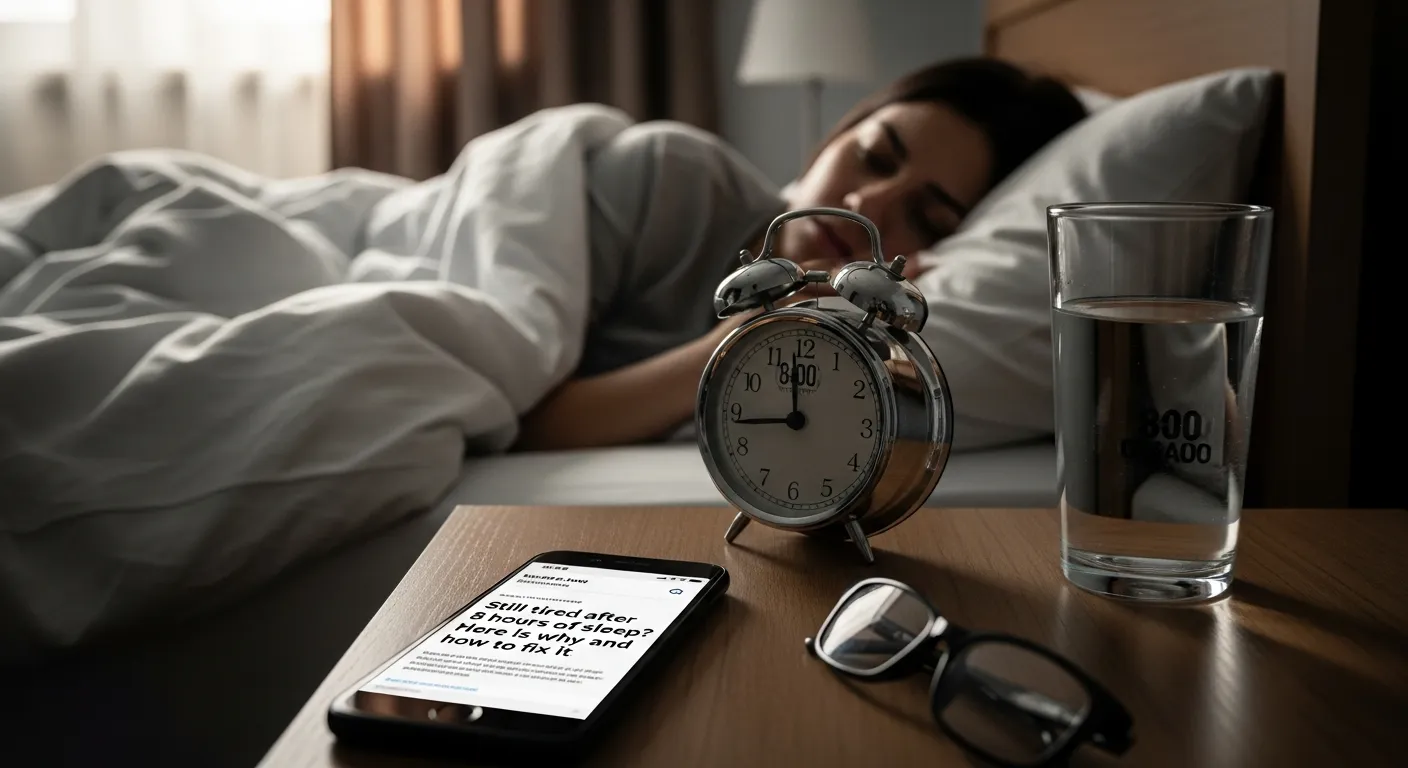
Waking up feeling completely drained after spending a full eight hours in bed is incredibly frustrating. You followed all the standard advice. You turned off the television, got under the covers at a reasonable hour, and set your alarm for the next morning. Yet, when that alarm finally goes off, your body feels heavy, your brain is foggy, and you are left wondering, “why do I feel tired even after sleeping”. This common phenomenon affects millions of people and points to a critical difference between the quantity of sleep and the quality of sleep.
Resting your eyes for a specific duration does not automatically guarantee that your body is completing the necessary restorative processes. Sleep is a highly active biological state. While you lie still, your brain and body are hard at work repairing tissues, consolidating memories, and balancing hormones. When this complex process is interrupted, you wake up feeling as though you barely slept at all.
Understanding the root cause of this fatigue is the first step toward waking up refreshed. A variety of factors can disrupt your rest, ranging from hidden medical conditions and environmental disturbances to your daily nutritional choices. By examining your routines, your environment, and your overall health, you can identify what is secretly stealing your energy behind the question, why do I feel tired even after sleeping.
Common Causes of Post-Sleep Tiredness
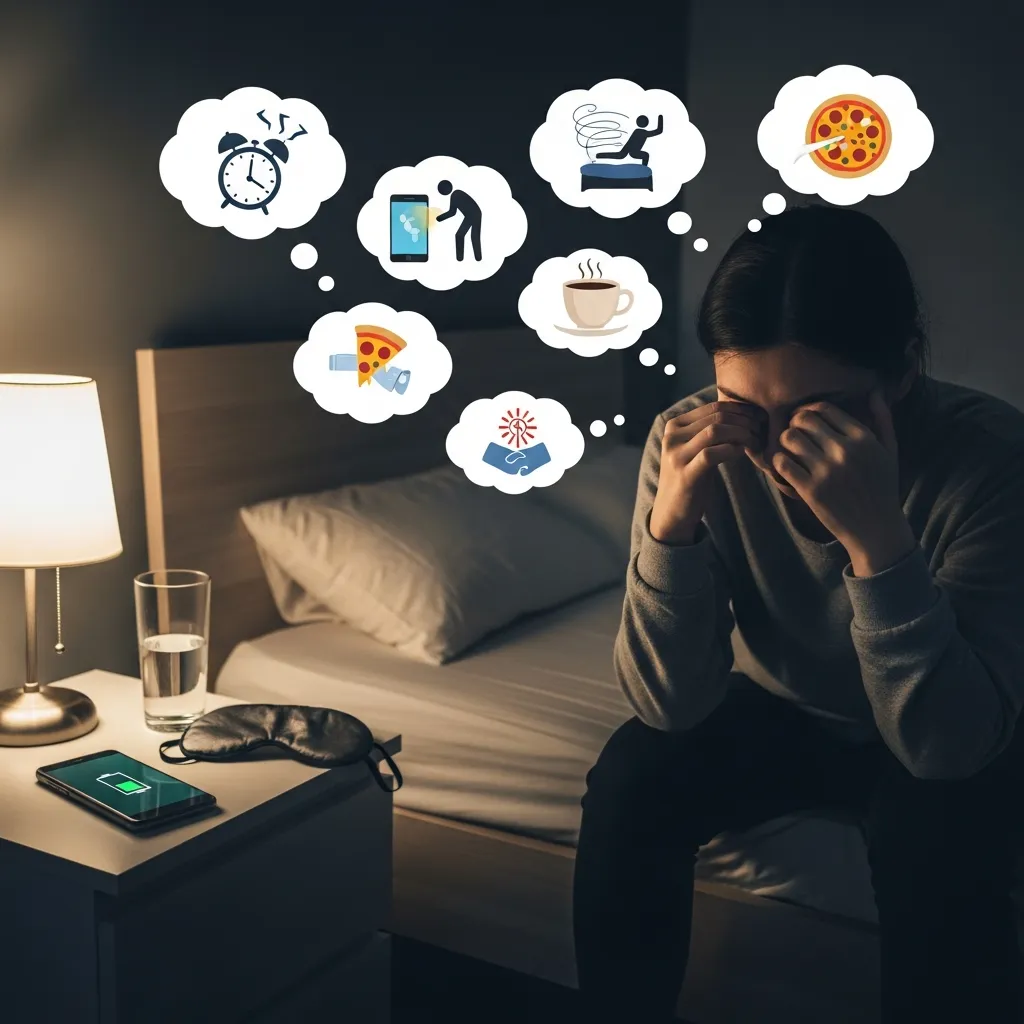 Feeling exhausted after a full night of rest is usually a symptom of an underlying issue disrupting your sleep architecture. Identifying the specific cause is necessary for finding an effective solution for why do I feel tired even after sleeping.
Sleep Disorders
Millions of people suffer from undiagnosed sleep disorders that severely impact their energy levels. Obstructive sleep apnea is one of the most common culprits. This condition causes the muscles in the back of your throat to relax too much during sleep, temporarily blocking your airway. Your brain senses the drop in oxygen and briefly wakes you up to reopen the airway. This cycle can happen dozens of times per hour. Because these awakenings are so brief, you might not remember them the next morning, but they prevent you from reaching the deep, restorative stages of sleep, which explains why do I feel tired even after sleeping.
Insomnia also plays a massive role in daytime fatigue. While many people associate insomnia with the inability to fall asleep, sleep-maintenance insomnia is equally problematic. This occurs when you fall asleep easily but wake up multiple times during the night or wake up far too early in the morning and cannot get back to sleep. These constant interruptions fragment your rest, leaving you groggy and wondering why do I feel tired even after sleeping. Other conditions, such as restless legs syndrome, cause an uncomfortable sensation in the legs that creates an overwhelming urge to move, further fragmenting your rest.
Poor Sleep Hygiene
Your daily habits and bedtime routines are collectively known as sleep hygiene. Poor sleep hygiene is a leading cause of unrefreshing sleep and a major reason behind why do I feel tired even after sleeping. One major issue is the lack of a consistent sleep schedule. Going to bed at 10:00 PM on weekdays and 2:00 AM on weekends confuses your body’s internal clock. This inconsistency creates a state of “social jetlag,” making it incredibly difficult for your body to know when it should naturally initiate sleep processes.
The environment in which you sleep also dictates your sleep quality. An old, unsupportive mattress or a lumpy pillow can cause physical discomfort that forces you to toss and turn. Exposure to blue light from smartphones, tablets, and computers right before bed tricks your brain into thinking it is still daytime, which suppresses the production of vital sleep hormones. Even a bedroom that is slightly too warm can prevent your core body temperature from dropping to the level required for deep sleep, leading to why do I feel tired even after sleeping.
Lifestyle Factors
What you do during the day directly impacts how you sleep at night. Your diet, exercise habits, and stress levels are deeply connected to your energy levels. Consuming heavy, high-fat, or spicy meals late in the evening forces your digestive system to work overtime while you sleep, which can cause discomfort and acid reflux. A diet high in refined sugars can cause dramatic fluctuations in your blood glucose levels during the night. If you struggle with blood sugar regulation, learning about proper nutrition is critical; for instance, reviewing resources like a guide to managing type 2 diabetes at home can provide valuable insights into stabilizing your energy.
A sedentary lifestyle also contributes to poor sleep quality. Without adequate physical exertion during the day, your body may not feel the physical need for deep recovery at night. Conversely, chronic stress keeps your nervous system in a heightened state of alertness. When you carry anxiety into the bedroom, your mind continues to race. This mental hyperarousal prevents you from transitioning into the deeper, most restorative stages of sleep, leaving you feeling emotionally and physically drained the following day.
Underlying Health Conditions
Sometimes, persistent fatigue has less to do with sleep itself and more to do with your overall health, which is a key reason behind why do I feel tired even after sleeping. Anemia, a condition characterized by a lack of healthy red blood cells to carry adequate oxygen to your body’s tissues, is a frequent cause of chronic tiredness. Thyroid issues, particularly hypothyroidism (an underactive thyroid), can slow down your metabolism and leave you feeling sluggish regardless of how many hours you spend in bed, often leading to why do I feel tired even after sleeping.
Nutrient deficiencies are another hidden cause of fatigue. Low levels of vitamin D, vitamin B12, or iron can severely impact your energy production and may explain why do I feel tired even after sleeping. Dehydration can also cause your blood volume to drop, making your heart work harder to pump oxygen and nutrients to your brain and muscles. If you are sleeping eight hours but still feeling exhausted, a comprehensive check of your physical health is a smart next step to understand why do I feel tired even after sleeping.
The Science Behind Quality Sleep
To truly understand why you might wake up tired, and why do I feel tired even after sleeping, you need to look at what actually happens inside your body and brain after you close your eyes.
Sleep Cycles (REM vs. Non-REM)
Sleep is not a uniform state. Throughout the night, your brain cycles through different stages of sleep, broadly categorized as Non-Rapid Eye Movement (Non-REM) and Rapid Eye Movement (REM) sleep, which is directly connected to why do I feel tired even after sleeping.
Non-REM sleep consists of three stages. Stage 1 is the lightest stage, acting as a transition between wakefulness and sleep. Stage 2 is a period of light sleep where your heart rate slows and your body temperature drops. Stage 3 is deep sleep, also known as slow-wave sleep. This is the most crucial stage for physical restoration. During deep sleep, your body repairs tissues, builds bone and muscle, and strengthens the immune system. If your sleep is constantly interrupted, you miss out on this vital healing phase, which explains why do I feel tired even after sleeping.
REM sleep typically occurs about 90 minutes after you fall asleep. This stage is characterized by rapid eye movements, increased brain activity, and vivid dreaming. REM sleep is essential for cognitive functions like memory consolidation, learning, and emotional regulation. A healthy night of sleep requires multiple, uninterrupted cycles through all these stages. Waking up during a deep sleep stage can result in a phenomenon called sleep inertia—a state of profound grogginess that can last for hours and contributes to why do I feel tired even after sleeping.
Hormonal Influences on Sleep
Your ability to fall asleep and stay asleep is heavily regulated by hormones, primarily melatonin and cortisol, which also helps explain why do I feel tired even after sleeping. Melatonin is the hormone responsible for signaling to your body that it is time to sleep. It is produced by the pineal gland in response to darkness. Artificial lighting in your home can easily disrupt this process, delaying the onset of sleep and leading to why do I feel tired even after sleeping.Cortisol is widely known as the stress hormone, but it also plays a vital role in your sleep-wake cycle. Cortisol levels naturally peak in the early morning to help you wake up and gradually decline throughout the day, reaching their lowest point around midnight. If you are highly stressed, your cortisol levels may remain elevated at night, making it impossible to relax. Understanding how to manage these hormonal fluctuations is a key focus of organizations like the National Sleep Foundation, which provides extensive research on circadian rhythms and sleep health.
Practical Strategies for Improving Sleep Quality
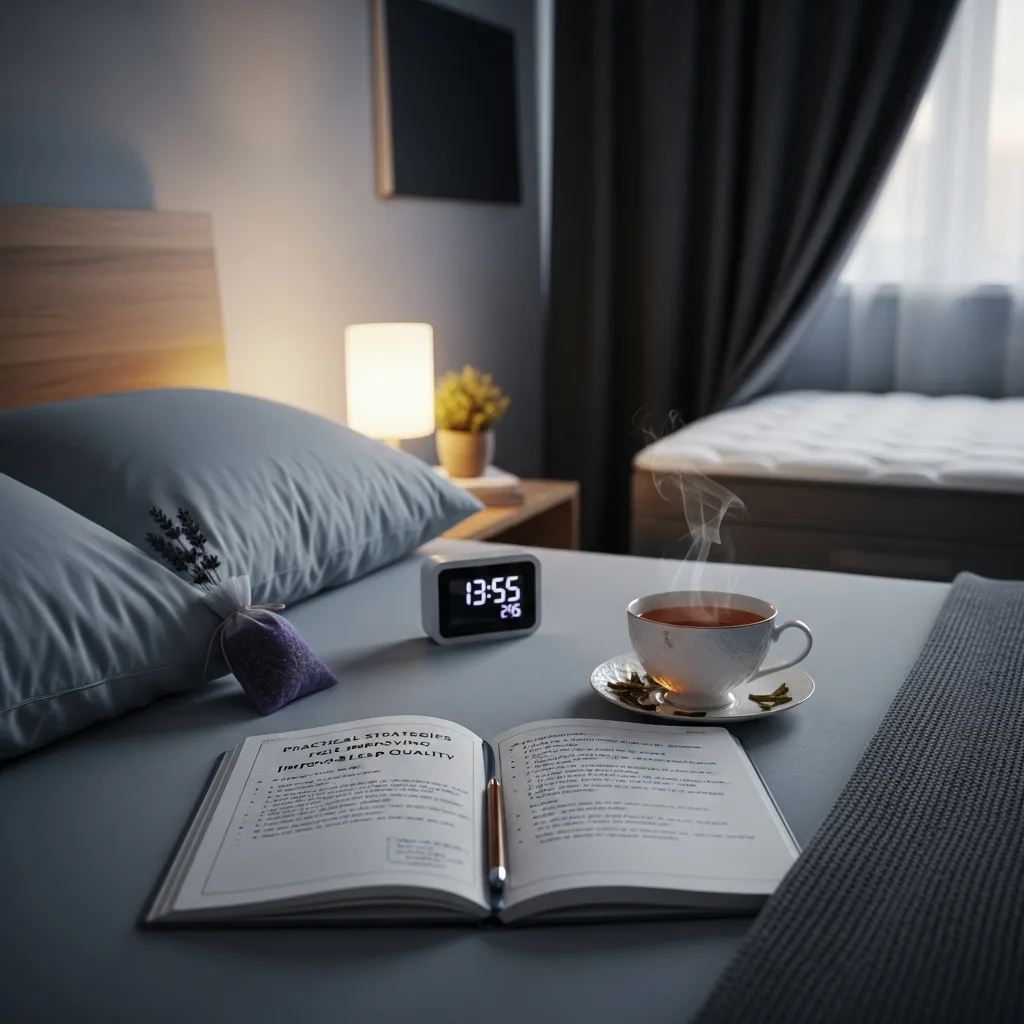 Reclaiming your energy requires an active approach. By making targeted adjustments to your habits and your environment, you can drastically improve the restorative power of your sleep and reduce issues like why do I feel tired even after sleeping.
Optimizing Your Sleep Environment
Your bedroom should be optimized for one primary purpose: rest. Start by addressing light and noise. Invest in high-quality blackout curtains to block streetlights and early morning sunlight. If you cannot control the light in your room, a comfortable sleep mask is an excellent alternative. To manage disruptive noises, consider using earplugs or a white noise machine. White noise helps mask sudden, jarring sounds—like a barking dog or a passing truck—that might otherwise pull you out of deep sleep, which is often linked to why do I feel tired even after sleeping.
Temperature control is equally important. Your core body temperature needs to drop slightly to initiate and maintain sleep. Most experts recommend keeping your bedroom thermostat set between 60 and 67 degrees Fahrenheit. Use breathable, natural fiber bedding like cotton or linen to help regulate your body temperature and prevent night sweats.
Establishing a Consistent Sleep Schedule
Your body thrives on predictability. Setting a strict sleep schedule helps anchor your circadian rhythm, making it easier to fall asleep at night and wake up in the morning, reducing the chances of why do I feel tired even after sleeping. Choose a bedtime and a wake-up time that allows for seven to nine hours of rest, and commit to sticking to these times every single day—even on weekends.
Avoid the temptation to sleep in on Saturdays and Sundays. While it feels good in the moment, it shifts your internal clock, making it much harder to fall asleep on Sunday night and resulting in a miserable Monday morning. If you have a bad night of sleep, try to wake up at your normal time and rely on a brief afternoon nap rather than sleeping late into the morning.
Dietary and Nutritional Considerations
What you consume has a profound impact on your sleep architecture and can directly influence why do I feel tired even after sleeping. Caffeine is a powerful stimulant with a half-life of up to six hours for most adults. This means if you drink a cup of coffee at 4:00 PM, half of that caffeine is still actively circulating in your system at 10:00 PM. Limit your caffeine intake to the morning hours and switch to decaffeinated beverages or herbal teas in the afternoon.
Alcohol is another common sleep disruptor. While a glass of wine might make you feel drowsy and help you fall asleep initially, alcohol significantly alters your sleep cycles. It acts as a REM sleep suppressant. As your liver metabolizes the alcohol during the night, you are much more likely to experience fragmented sleep, vivid nightmares, and early morning awakenings.
Incorporating sleep-supporting nutrients into your diet can also be beneficial. Magnesium, often referred to as the relaxation mineral, helps regulate neurotransmitters related to sleep. Foods rich in magnesium include almonds, spinach, and pumpkin seeds. Tart cherries contain natural melatonin, and a small glass of tart cherry juice in the evening can gently promote sleepiness.
The Role of Exercise and Mindfulness
Regular physical activity is one of the most effective ways to improve sleep quality and reduce why do I feel tired even after sleeping. Exercise helps burn off excess energy and increases the amount of deep sleep you get each night. However, timing is important. Vigorous cardiovascular exercise raises your heart rate and core body temperature, which can make it harder to wind down if done too close to bedtime. Try to complete intense workouts in the morning or early afternoon. Gentle activities like stretching or restorative yoga are perfectly fine in the evening and can actually help your muscles relax.
Mindfulness and relaxation techniques are highly effective for managing the mental hyperarousal that prevents deep sleep. Create a wind-down routine that starts 30 to 60 minutes before bed. Turn off all electronic screens and engage in a calming activity. Reading a physical book, listening to soft music, or practicing deep breathing exercises can lower your heart rate and signal to your brain that the day is officially over. Progressive muscle relaxation, where you systematically tense and then release each muscle group in your body, is a proven method for releasing physical tension built up during the day.
When to Seek Professional Help
If you have optimized your bedroom, cleaned up your diet, and established a consistent routine but are still waking up exhausted, it may be time to consult a healthcare professional for answers to why do I feel tired even after sleeping.
Recognizing Persistent Symptoms
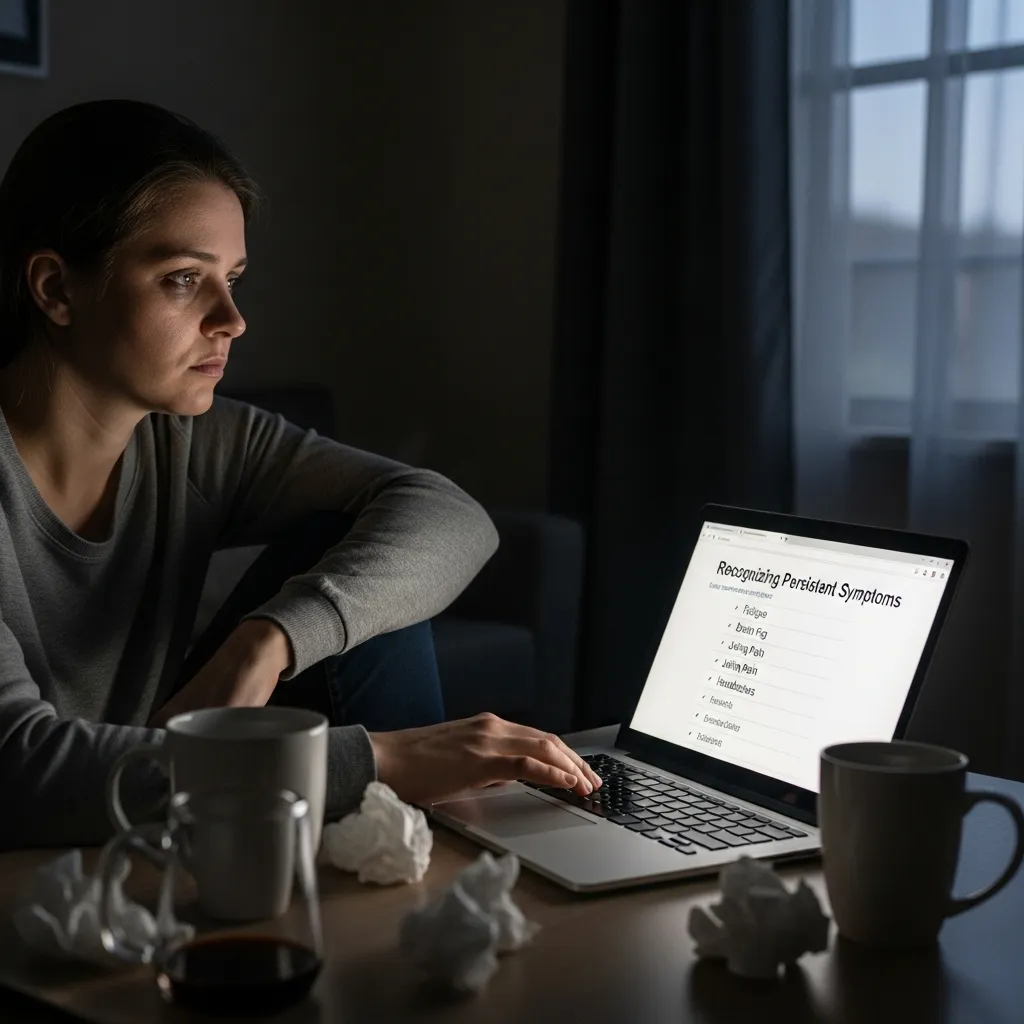 Occasional fatigue is a normal part of life, but chronic exhaustion that lasts for several weeks is a clear sign that something is wrong and may explain why do I feel tired even after sleeping. Pay attention to other symptoms accompanying your tiredness. Do you wake up with a dry mouth or a morning headache? Does your partner complain about your loud snoring or mention that you gasp for air during the night? These are classic signs of sleep apnea.
Other red flags include falling asleep uncontrollably during the day, struggling to concentrate on basic tasks, experiencing sudden mood swings, or feeling an overwhelming urge to move your legs when lying down. These symptoms often connect directly to why do I feel tired even after sleeping. Do not ignore these warning signs. Chronic sleep deprivation significantly increases your risk for cardiovascular disease, obesity, and cognitive decline.
Consulting a Doctor or Sleep Specialist
A primary care physician can start by running standard blood tests to check for underlying issues like thyroid dysfunction, vitamin deficiencies, or anemia, all of which may contribute to why do I feel tired even after sleeping. If your bloodwork comes back normal, you will likely be referred to a sleep specialist.
A sleep specialist can conduct a polysomnography, commonly known as a sleep study. During this overnight test, sensors monitor your brain waves, blood oxygen levels, heart rate, and breathing patterns while you sleep. The data collected provides a comprehensive picture of your sleep architecture and can conclusively diagnose disorders like sleep apnea, narcolepsy, or periodic limb movement disorder.
Once a specific diagnosis is made, a targeted treatment plan—such as a CPAP machine for sleep apnea or cognitive behavioral therapy for insomnia (CBT-I)—can finally help you get the rest you need and resolve the issue of why do I feel tired even after sleeping.
FAQ
1. Why do I feel tired even after sleeping for 8 hours?
This usually happens due to poor sleep quality, sleep disorders, stress, or nutrient deficiencies rather than sleep duration, which explains why do I feel tired even after sleeping.
2. Can vitamin deficiency cause tiredness after sleep?
Yes, low levels of vitamin D, B12, or iron can reduce energy production and cause constant fatigue, leading to why do I feel tired even after sleeping.
3. Is it normal to feel sleepy after a full night’s sleep?
Occasionally yes, but if it happens regularly, it may indicate an underlying sleep or health issue such as why do I feel tired even after sleeping.
4. Can stress make me tired even after sleeping?
Yes, chronic stress increases cortisol levels, which can reduce deep sleep and cause morning fatigue, contributing to why do I feel tired even after sleeping.
5. Does poor sleep quality matter more than sleep duration?
Yes, uninterrupted deep sleep is more important than just spending 7–8 hours in bed, which directly relates to why do I feel tired even after sleeping.
6. Can sleep apnea cause morning tiredness?
Yes, sleep apnea repeatedly interrupts breathing during sleep, preventing deep rest and leading to why do I feel tired even after sleeping.
7. Why do I wake up with brain fog and fatigue?
This can be due to poor sleep cycles, dehydration, or waking up during deep sleep stages, which is often part of why do I feel tired even after sleeping.
8. Can diet affect how tired I feel after sleeping?
Yes, excessive caffeine, alcohol, or poor nutrition can disturb sleep quality and result in why do I feel tired even after sleeping.
9. When should I see a doctor for constant tiredness?
If fatigue lasts more than a few weeks or affects daily life, you should consult a doctor for why do I feel tired even after sleeping.
10. Can exercise improve tiredness after sleep?
Yes, regular exercise improves sleep quality and increases deep sleep duration, helping reduce why do I feel tired even after sleeping.
Conclusion
Feeling tired even after sleeping is a common problem that is usually linked to poor sleep quality, lifestyle habits, stress, or underlying medical conditions. While getting enough hours of sleep is important, the real key lies in achieving deep, uninterrupted, and restorative sleep cycles, which helps address why do I feel tired even after sleeping. By improving sleep hygiene, managing stress, maintaining a healthy diet, and addressing possible health issues, most people can significantly reduce morning fatigue. However, if tiredness continues despite lifestyle changes, seeking medical advice is essential to rule out sleep disorders or other health problems related to why do I feel tired even after sleeping.