

Vitamin deficiency fatigue occurs when the body lacks essential vitamins needed for energy production, leading to constant tiredness even after proper rest. Understanding the root cause helps identify nutrient gaps and take corrective steps through diet, supplements, and lifestyle changes to restore natural energy levels and improve overall well-being.
 Occasional tiredness is a normal response to physical exertion, emotional stress, or a few nights of poor sleep. You might feel wiped out after a demanding week at work or while recovering from a heavy cold. A few days of adequate rest usually resolves this normal fatigue, allowing your body to bounce back naturally.
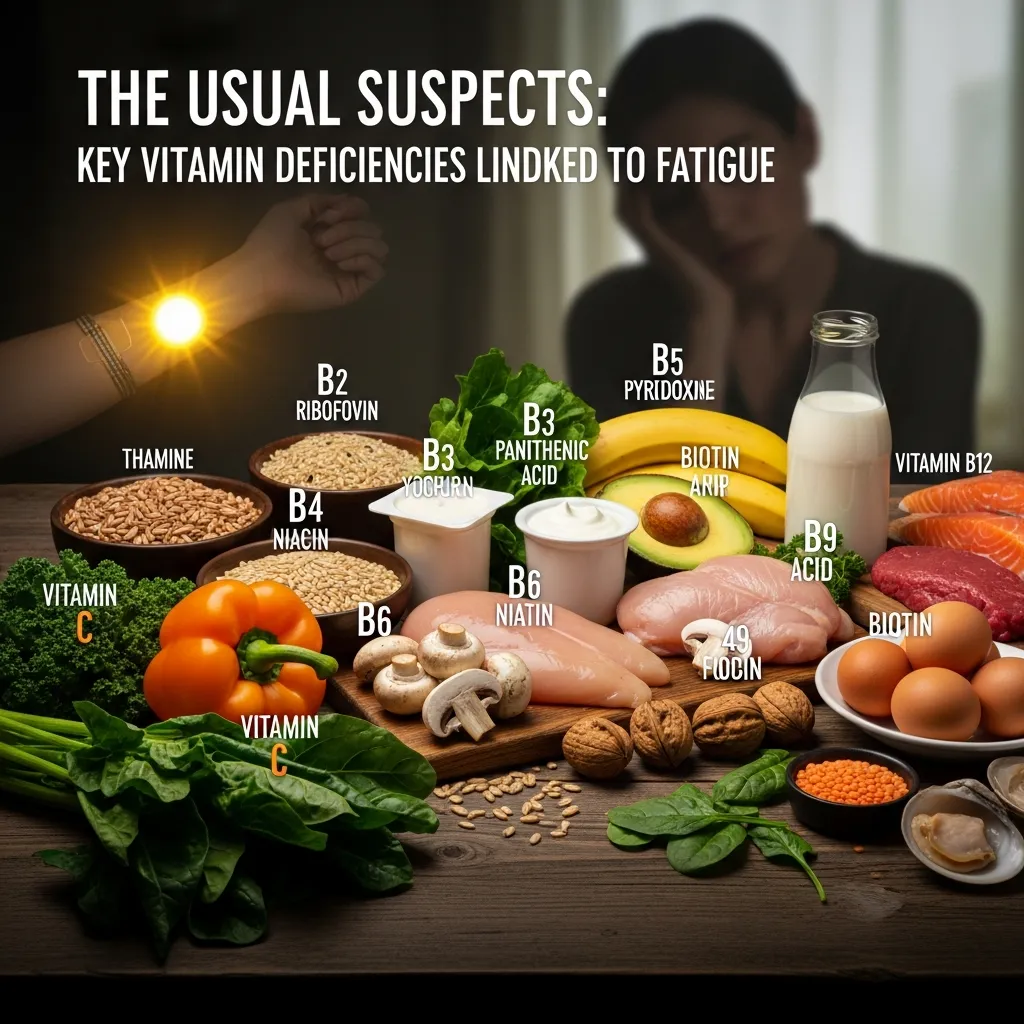 When investigating persistent exhaustion, healthcare providers usually start by checking for common systemic issues. Several specific vitamins and minerals are notorious for sapping your energy when their levels drop too low.
Iron Deficiency (Anemia)
Iron is a foundational mineral required for the production of hemoglobin, a protein in red blood cells that carries oxygen from your lungs to the rest of your body. When your iron levels drop, your body cannot produce enough healthy red blood cells. Without sufficient oxygen reaching your muscles and brain, your body has to work much harder to perform basic functions. This constant strain leads to extreme tiredness.
The symptoms of iron deficiency extend well beyond simple fatigue. You might notice unusual pallor in your skin, constant weakness, cold hands and feet, and shortness of breath during mild exertion. Some people even experience brittle nails or strange cravings for non-food items like ice or dirt. Identifying these signs early is crucial, which is why reviewing a chronic tiredness medical causes checklist can be highly beneficial for your health journey.
To combat low iron, focus on dietary sources such as lean red meat, poultry, and seafood, which contain heme iron that your body absorbs easily. Plant-based sources like lentils, spinach, and fortified cereals provide non-heme iron. Taking an iron supplement can also restore your levels, though you should always consult a physician first to determine the correct dosage and avoid toxicity. For more global data on this condition, you can review the World Health Organization’s facts on anemia.
Vitamin B12 Deficiency
Vitamin B12 is essential for proper nerve function, DNA synthesis, and the formation of red blood cells. Because it plays a direct role in how your body converts carbohydrates into usable glucose, a lack of B12 directly disrupts your energy supply.
The symptoms of a B12 deficiency can be particularly alarming because they often involve the nervous system. Alongside severe exhaustion, you might experience tingling or numbness in your hands and feet, difficulty maintaining your balance, and muscle weakness. Cognitive issues are also common, including memory problems, confusion, and a noticeable decline in mental sharpness.
Because Vitamin B12 is naturally found almost exclusively in animal products like meat, fish, eggs, and dairy, vegans and vegetarians face a higher risk of deficiency. Furthermore, certain malabsorption issues, such as pernicious anemia or gastrointestinal disorders, can prevent the body from absorbing B12 even if you consume enough of it. Fortified foods and nutritional yeast offer plant-based alternatives, but daily supplementation or routine B12 injections are often required for those with absorption difficulties. The National Institutes of Health provides a comprehensive consumer fact sheet on Vitamin B12 detailing these dietary needs.
Vitamin D Deficiency
Vitamin D acts more like a hormone than a traditional vitamin. It is vital for bone health, immune system regulation, and mood stabilization. Receptors for Vitamin D are located throughout the central nervous system and skeletal muscles, making it intimately tied to how strong and energetic you feel.
When your levels drop, you might experience a specific type of vitamin deficiency fatigue that feels like a deep, aching tiredness in your bones and muscles. Muscle weakness, frequent sickness, and symptoms of depression or anxiety frequently accompany this physical exhaustion. Because mood and energy are so closely linked, a lack of Vitamin D can create a vicious cycle of low motivation and physical lethargy.
The global prevalence of Vitamin D deficiency is staggering, largely because very few foods naturally contain it. Fatty fish, egg yolks, and fortified dairy products provide small amounts. The most efficient way to naturally boost your levels is through direct sunlight exposure on your skin. However, indoor lifestyles, geographic location, and the use of sunscreen often make natural synthesis difficult. As a result, daily Vitamin D3 supplementation is widely recommended by healthcare professionals.
Folate (Vitamin B9) Deficiency
Folate, or Vitamin B9, is a crucial nutrient for DNA synthesis, cell division, and proper red blood cell formation. It works closely with Vitamin B12 to help your body produce healthy red blood cells. A deficiency in folate can lead to megaloblastic anemia, a condition where red blood cells become abnormally large and function poorly, severely limiting oxygen delivery to your tissues.
Symptoms of low folate closely mirror those of B12 deficiency, including profound weakness, fatigue, and shortness of breath. You may also develop painful mouth sores, a swollen tongue, and noticeable changes in your skin, hair, or fingernail pigmentation.
You can maintain healthy folate levels by eating plenty of dark leafy greens, such as spinach and kale. Legumes, asparagus, and fortified grains also offer excellent amounts of this essential nutrient. Because folate is water-soluble, your body cannot store it in large quantities, making daily intake through a balanced diet absolutely necessary.
Magnesium Deficiency
While technically a mineral rather than a vitamin, magnesium is deeply entwined with energy production. It is responsible for over 300 distinct biochemical reactions in the human body. Crucially, ATP—the main source of energy in your cells—must be bound to a magnesium ion in order to be biologically active.
A lack of magnesium disrupts energy production at the microscopic level. The symptoms of this deficiency often manifest as persistent fatigue accompanied by frustrating physical issues. You might experience frequent muscle cramps, eye twitches, and an irregular heartbeat. Insomnia and heightened anxiety are also common, which further degrades your sleep quality and compounds your daytime exhaustion.
Nuts, seeds, and whole grains are some of the best dietary sources of magnesium. Almonds, pumpkin seeds, black beans, and dark chocolate can help you meet your daily requirements and keep your cellular energy production running smoothly.