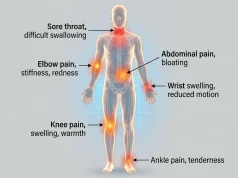


Silent inflammation symptoms often develop gradually and may include fatigue, joint pain, digestive issues, brain fog, and persistent aches. Recognizing these hidden inflammation symptoms early can support timely lifestyle changes, medical evaluation, and better long-term health outcomes.
Silent inflammation symptoms include persistent fatigue, brain fog, joint aches, digestive trouble, skin flare-ups, mood changes, and stubborn belly fat. These subtle, slow-building signs often go unnoticed, yet they can quietly raise your risk of serious disease.
Your body usually shouts when something is wrong. A sprained ankle swells. A cut turns red and tender. A fever spikes during a cold. But there is a quieter version of inflammation that gives no obvious warning—and that silence is exactly what makes it dangerous.
Silent inflammation is a low-grade, long-lasting immune response that simmers in the background for months or years. You won’t see dramatic swelling or feel sharp pain. Instead, you might feel a little more tired than usual, a little foggy, or a little achy, and chalk it up to stress, poor sleep, or getting older.
This guide breaks down the most common silent inflammation symptoms, explains why they matter, and shows you how to spot them early. You’ll also learn which blood tests reveal hidden inflammation, the diseases linked to it, and practical steps to calm your immune system through diet, lifestyle, and targeted support. By the end, you’ll know how to read the quiet signals your body sends—before they turn into something serious.
What Is Silent Inflammation?
 Silent inflammation, sometimes called subclinical or low-grade chronic inflammation, is an immune response that never fully switches off. Unlike acute inflammation, which flares fast and fades within days, silent inflammation lingers quietly while slowly damaging healthy tissues and organs.
Inflammation itself is your body’s natural defense. When you get hurt or sick, your immune system rushes white blood cells and protective chemicals to the affected area to fight threats and start repairs. That process is meant to be temporary. Silent inflammation breaks this rule—the immune system stays mildly active long after any threat is gone.
How Silent Inflammation Differs From Acute Inflammation
The difference between the two comes down to speed, intensity, and visibility:
- Acute inflammation appears quickly, peaks fast, and resolves within hours or days. Think of the redness around a paper cut or soreness after a hard workout.
- Silent inflammation develops slowly and produces no obvious redness or swelling. It works beneath the surface, which is exactly why so many people miss it for years.
Why Silent Inflammation Is So Often Overlooked
Silent inflammation rarely produces a single, dramatic symptom. Instead, it shows up as vague, everyday complaints—tiredness, mild aches, a foggy head. Because these signs overlap with stress, aging, and busy schedules, most people dismiss them. For a closer look at how these signals build, see our guide on the signs of chronic inflammation.
Why Does Silent Inflammation Develop in Modern Life?
Chronic, low-grade inflammation often takes root because of how we live today. The immune system was built to handle short bursts of threat, not the constant low-level stressors of modern life.
Several factors keep the immune system mildly switched on around the clock:
- Highly processed diets: Foods loaded with sugar, refined oils, and additives keep the body in a constant state of low-grade immune activation.
- Chronic stress: Ongoing stress keeps cortisol elevated, which fuels inflammation over time. Our guide to the physical symptoms of stress explains this link in detail.
- Poor sleep: When you don’t sleep enough, your body can’t repair itself properly, and inflammatory markers climb.
- Sedentary habits: Sitting for long hours is tied to higher inflammation, while regular movement helps keep it down.
- Environmental toxins: Pollution, chemicals, and cigarette smoke trigger an ongoing immune response.
The result is a slow burn. Each factor on its own may seem minor, but together they create the perfect conditions for hidden inflammation symptoms to take hold and persist.
What Are the Key Silent Inflammation Symptoms to Watch For?
 Because silent inflammation rarely announces itself, learning to recognize its subtle signals is your best defense. Here are the most common silent inflammation symptoms and what they reveal about your health.
Fatigue and Low Energy
Feeling drained no matter how much you rest is one of the most common signs of chronic inflammation. When your immune system stays active, it burns through enormous energy reserves, leaving you depleted day after day. This is more than ordinary tiredness—it’s a deep exhaustion that sleep alone doesn’t fix.
Persistent Aches and Pains
Aching joints and stiff muscles that come and go without an injury are classic chronic inflammation warning signs. Inflammatory chemicals irritate nerve endings and slowly break down healthy tissue, producing discomfort that’s hard to trace back to any single cause.
Brain Fog and Cognitive Issues
Trouble concentrating, forgetfulness, and slow thinking can all stem from inflammation reaching the brain. Inflammatory chemicals interfere with how brain cells communicate, leaving you mentally cloudy. Our guide to brain fog causes and treatment explores this connection in depth.
Digestive Problems
Your gut is highly sensitive to inflammation. Bloating, cramping, food sensitivities, and IBS-like symptoms can all point to inflammation in the digestive tract. An unhealthy gut also fuels more inflammation, creating a frustrating cycle that’s tough to break.
Skin Issues
Your skin often mirrors what’s happening inside. Eczema, psoriasis, stubborn acne, and unexplained rashes are frequently driven by underlying inflammation. When inflammatory chemicals reach the skin, they trigger redness and irritation that resist typical treatments.
Mood Disorders
Inflammation affects how you feel, not just how you think. Research increasingly links chronic inflammation to anxiety, depression, and irritability, since inflammatory chemicals disrupt the brain’s mood-regulating systems.
Stubborn Weight Gain Around the Abdomen
Belly fat isn’t just stored energy—it actively produces inflammatory chemicals. This creates a two-way street: inflammation encourages fat storage, and that fat pumps out more inflammatory signals. These shifts often overlap with the early signs of metabolic dysfunction, so a growing waistline is worth watching.
Frequent Illnesses and Slow Healing
When your immune system is busy fighting silent inflammation, it has fewer resources for new threats. Getting sick often, or noticing cuts that heal slowly, can signal an overworked immune system.
What Are the Health Risks of Chronic Silent Inflammation?
Ignoring hidden inflammation symptoms can carry serious long-term consequences. Because the damage builds gradually, the effects often appear only after years of low-grade immune activity.
Over time, unchecked silent inflammation raises the risk of several major diseases:
- Cardiovascular disease: Inflammation damages blood vessels and contributes to plaque buildup, raising the risk of heart attacks and strokes. According to the American Heart Association, this process plays a central role in cardiovascular problems.
- Autoimmune disorders: Conditions like lupus and rheumatoid arthritis are both driven by and fuel ongoing inflammation.
- Type 2 diabetes: Chronic inflammation worsens insulin resistance, a core driver of the disease.
- Neurodegenerative diseases: Inflammation in the brain is increasingly linked to cognitive decline and conditions like Alzheimer’s and Parkinson’s.
- Certain cancers: Long-term inflammation can damage DNA and create an environment where abnormal cells thrive.
The pattern is clear—inflammation left unchecked today can become chronic disease tomorrow. For a deeper look at the warning signals, explore our full guide to the signs of chronic inflammation.
How Are Hidden Inflammation Symptoms Diagnosed?
 Because silent inflammation produces no obvious outward signs, diagnosis relies on lab testing and clinical evaluation rather than guesswork. Blood markers can reveal hidden inflammation long before you feel seriously unwell.
Which Blood Markers Detect Silent Inflammation?
Doctors use several markers to measure inflammation in the body:
- C-reactive protein (CRP): A widely used marker that rises when inflammation is present. High-sensitivity CRP (hs-CRP) is especially useful for spotting low-grade inflammation.
- Erythrocyte sedimentation rate (ESR): Measures how quickly red blood cells settle, which increases with inflammation.
- Homocysteine: An amino acid linked to inflammation and cardiovascular risk.
- Fibrinogen: A clotting protein that climbs during inflammatory states.
What Advanced Testing Can Reveal
For a more detailed picture, some practitioners order advanced panels such as oxidative stress markers and cytokine tests. These measure the specific chemical signals that drive inflammation, helping identify hidden inflammation that standard tests might miss.
How Functional Medicine Approaches Silent Inflammation
Functional medicine practitioners often look beyond a single marker. They assess diet, gut health, stress levels, and environmental exposures together to find the root cause of chronic inflammation, rather than treating symptoms in isolation.
How Can You Reduce and Prevent Silent Inflammation?
The encouraging news is that silent inflammation usually responds well to lifestyle changes. Small, consistent steps can calm your immune system and reverse much of the damage over time.
Which Dietary Changes Lower Inflammation?
What you eat is one of your most powerful tools against silent inflammation:
- Eat anti-inflammatory foods: Load up on berries, leafy greens, fatty fish rich in omega-3s, nuts, olive oil, turmeric, and ginger.
- Avoid inflammatory foods: Cut back on processed foods, added sugar, fried foods, refined oils, and excess alcohol.
- Follow Mediterranean principles: Built around whole foods, the Mediterranean diet is consistently linked to lower inflammation. Harvard Health offers a helpful overview of anti-inflammatory eating.
Which Lifestyle Modifications Help Most?
Beyond diet, your daily habits make a major difference:
- Manage stress: Meditation, yoga, and mindfulness lower cortisol and calm the inflammatory response.
- Move regularly: Consistent, moderate exercise lowers inflammatory markers—just avoid overtraining, which can backfire.
- Prioritize sleep: Aim for seven to nine hours each night so your body can repair itself. If poor sleep follows stressful periods, our guide to the physical symptoms of stress can help you spot the connection.
Which Supplements Support an Anti-Inflammatory Lifestyle?
Used alongside a healthy diet, certain supplements may help—always under professional guidance:
- Omega-3 fatty acids to balance the body’s inflammatory response.
- Curcumin and ginger for their natural anti-inflammatory effects.
- Vitamins D and C to support immune regulation.
- Probiotics to nurture a healthy gut microbiome.
How to Reduce Environmental Toxins
Limiting exposure to pollutants and chemicals also helps. Avoid cigarette smoke, choose cleaner household products where possible, and filter your water and air when you can. Every reduction eases the load on your immune system.
When Should You Seek Professional Help?
 You should consult a doctor or functional medicine practitioner if your symptoms last several weeks, steadily worsen, or interfere with daily life. Persistent fatigue, unexplained pain, ongoing digestive trouble, and frequent infections all warrant medical attention.
Early intervention is key. Because silent inflammation damages tissue gradually, catching it before serious disease develops gives you the best chance to reverse course. Ask your provider about inflammatory marker tests like CRP if something feels off—even when you can’t put your finger on exactly what.
What Real Change Can Look Like
Consider a busy professional who spent years blaming constant fatigue and brain fog on a heavy workload. After a routine checkup revealed elevated CRP, they adjusted their diet toward whole foods, prioritized sleep, and added daily walks. Within a few months, their energy returned and their inflammatory markers dropped.
Another common pattern: someone struggling with stubborn belly fat and bloating discovers their highly processed diet was fueling hidden inflammation. By cutting sugar and refined oils and adding omega-3-rich foods, they ease both the digestive trouble and the weight resistance. These examples reflect a consistent theme—addressing the root cause, not just the symptoms, produces lasting results.
Conclusion
Silent inflammation works in the shadows, but the clues are there once you know what to look for. Persistent fatigue, brain fog, joint aches, digestive issues, skin flare-ups, and stubborn weight gain are all quiet messages from your body asking for help.
The good news is that you hold real power to change the outcome. Start small: improve your diet, move your body daily, manage stress, and protect your sleep. Track any symptoms that linger, and don’t hesitate to ask your doctor for inflammatory marker tests. By learning to read and reduce silent inflammation now, you can protect your energy, clarity, and long-term health for years to come.
Frequently Asked Questions
1. What are the main signs of chronic inflammation?
The main signs of chronic inflammation include persistent fatigue, unexplained joint and muscle pain, brain fog, digestive problems, skin flare-ups, mood changes, and stubborn weight gain around the abdomen. These silent inflammation symptoms build slowly, which is why they’re often mistaken for stress or aging.
2. Can diet really affect silent inflammation?
Yes. Diet is one of the most powerful tools for managing silent inflammation. Processed foods, added sugar, and refined oils fuel inflammation, while anti-inflammatory foods like berries, leafy greens, fatty fish, and olive oil help calm the immune response.
3. How long does it take to reduce inflammation?
Lifestyle-driven inflammation can begin to improve within a few weeks of consistent changes, though lasting results usually take several months. Inflammation tied to underlying medical conditions may require longer-term management.
4. Is silent inflammation genetic?
Genetics can play a role. Some people are more prone to inflammatory responses, and a family history of autoimmune or inflammatory conditions raises the risk. That said, lifestyle factors like diet, sleep, and stress usually play the deciding role in whether those tendencies turn into problems.
5. What blood test shows silent inflammation?
The high-sensitivity C-reactive protein (hs-CRP) test is the most common way to detect low-grade inflammation. Doctors may also order an erythrocyte sedimentation rate (ESR), homocysteine, or fibrinogen test to assess inflammation levels and underlying risk.
6. What are the early chronic inflammation warning signs?
The earliest chronic inflammation warning signs are usually subtle—persistent fatigue, low energy, mild joint pain, digestive discomfort, and brain fog that develop gradually. Because they’re so easy to dismiss, many people overlook them for years.
7. Is silent inflammation reversible?
In many cases, yes. When driven by lifestyle factors, silent inflammation often improves significantly through a better diet, regular exercise, quality sleep, and stress management. Inflammation linked to medical conditions may require ongoing treatment.
8. Which foods reduce silent inflammation the most?
Berries, leafy greens, fatty fish like salmon, nuts, olive oil, turmeric, and ginger are among the most effective anti-inflammatory foods. The Mediterranean diet combines many of these and is strongly linked to lower inflammation.
9. Can stress cause silent inflammation?
Yes. Chronic stress keeps cortisol elevated, which fuels ongoing low-grade inflammation throughout the body. Managing stress through relaxation techniques, exercise, and quality sleep is an important part of reducing inflammation.
10. When should I see a doctor about hidden inflammation symptoms?
See a doctor if your symptoms last several weeks, steadily worsen, or interfere with daily life. Persistent fatigue, unexplained pain, ongoing digestive trouble, and frequent infections all warrant medical attention and possible inflammatory marker testing.