

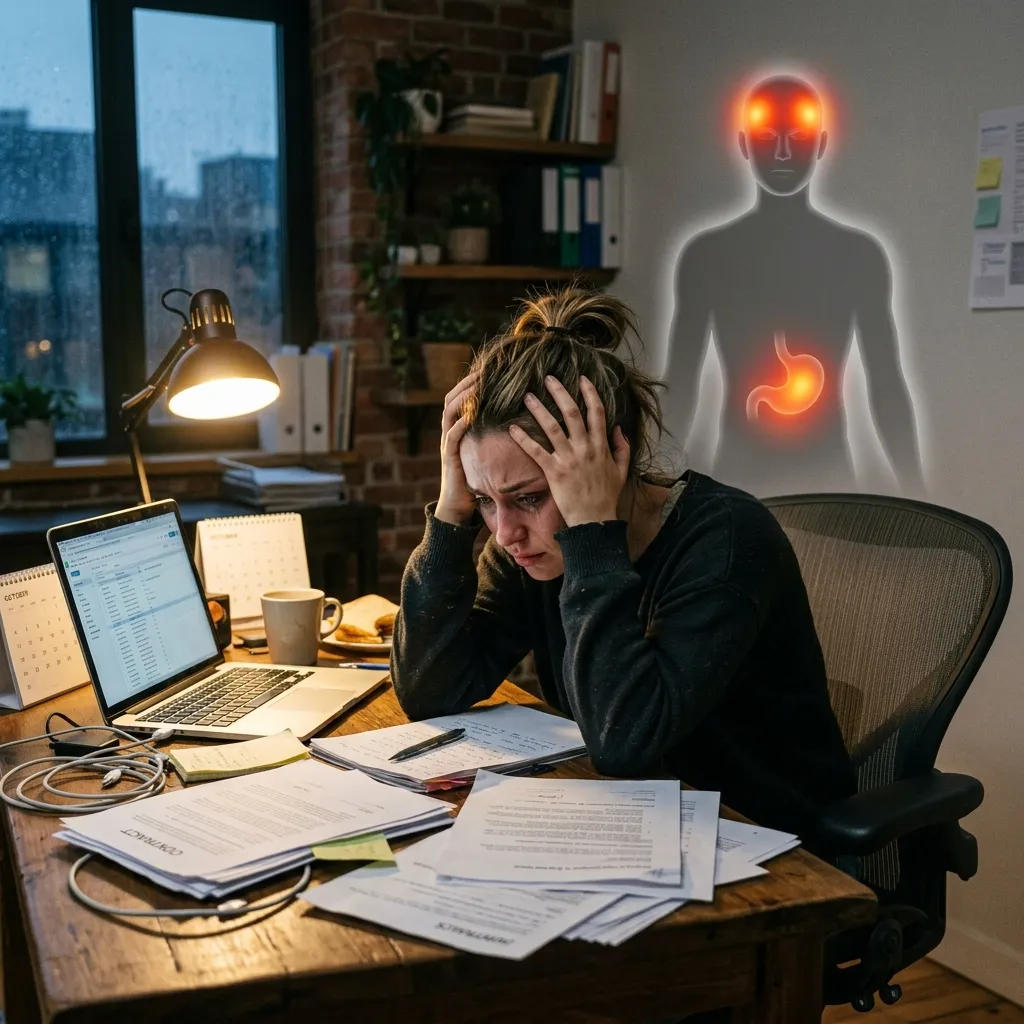
 Stress is your body’s natural response to any demand or threat. When your brain senses pressure—whether it’s a looming deadline, financial worry, or a near-miss in traffic—it activates the “fight-or-flight” response. This triggers a chain of biological events involving hormones like cortisol and adrenaline, designed to help you react quickly and survive immediate danger. In short bursts, this response is helpful and protective. The problem begins when stress becomes constant, and the body never gets a chance to return to a relaxed state.
When you face a stressful situation, your sympathetic nervous system kicks into gear. This is the famous “fight or flight” response. Your body prepares to either confront the threat or run from it, and it does so in seconds.
What happens during fight or flight?
The sympathetic nervous system floods your body with energy. Your heart beats faster, your breathing quickens, and your muscles tense up. Blood flow shifts away from non-essential functions like digestion and toward your muscles and brain. This is why your stomach may churn and your hands may shake when you’re stressed.
Which hormones drive the stress response?
Two key hormones power this reaction: adrenaline and cortisol. Adrenaline delivers an immediate jolt—raising heart rate and blood pressure. Cortisol, often called the “stress hormone,” sustains the response by releasing glucose into the bloodstream and suppressing functions the body considers non-urgent.
In a real emergency, this hormonal surge saves lives. But when cortisol stays elevated for weeks or months, it begins to harm the very systems it was meant to protect.
What does chronic stress do to the body over time?
Long-term stress disrupts nearly every physiological system. Persistently high cortisol weakens the immune system, raises blood pressure, disrupts digestion, and interferes with sleep. According to the American Psychological Association, prolonged stress is linked to serious conditions including heart disease, high blood pressure, and a weakened immune response. The body simply isn’t built to stay on high alert indefinitely.
What are the most common physical symptoms of stress?
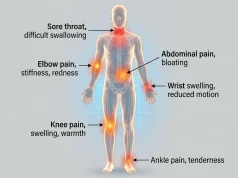
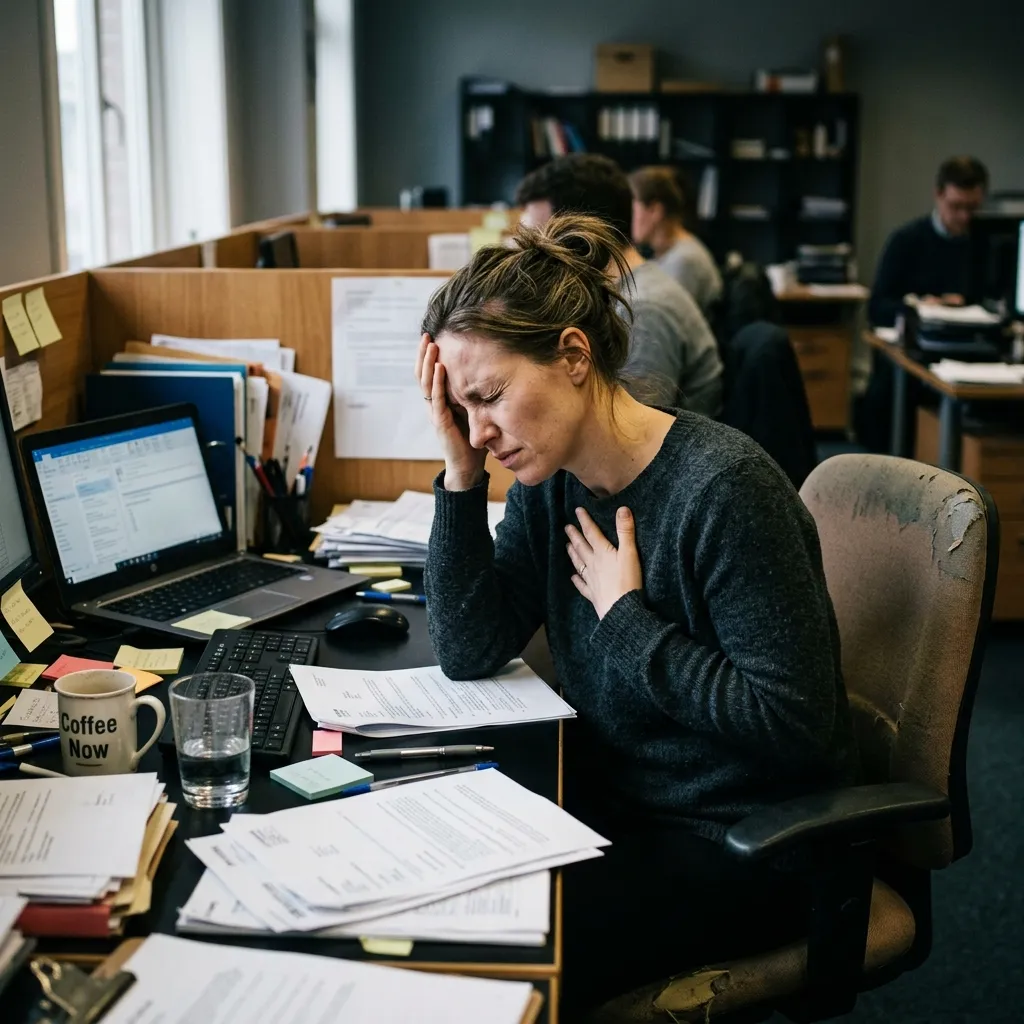 Stress affects the body in surprising and varied ways. Below are the most common signs of stress in the body, organized by the systems they impact.
How does stress affect the cardiovascular system?
Your heart is one of the first organs to react to stress. Common cardiovascular symptoms include:
- Palpitations and rapid heart rate: Adrenaline makes your heart beat faster and harder, which can feel like fluttering or pounding in your chest.
- High blood pressure: Stress hormones constrict blood vessels and increase heart rate, driving up blood pressure. Over time, this raises your risk of heart problems.
- Chest pain or discomfort: Tension and a racing heart can produce a tight or uncomfortable feeling in the chest. Persistent chest pain always warrants medical attention.
Because stress and blood pressure are closely linked, managing stress is an important part of protecting your heart. Our home guide to managing hypertension offers practical strategies that also support cardiovascular health.
How does stress affect your muscles and cause headaches?
When stress triggers fight or flight, your muscles tense to brace for action. If the stress never resolves, those muscles stay contracted. Common musculoskeletal symptoms include:
- Muscle tension and stiffness: The neck, shoulders, and back are especially prone to tightness, leading to aches and reduced mobility.
- Tension headaches and migraines: Tight muscles in the head and neck are a leading cause of stress headaches. For some people, stress also triggers migraines.
- Jaw clenching and teeth grinding (bruxism): Many people unconsciously clench their jaw or grind their teeth under stress, often during sleep, which can cause jaw pain and dental damage.
How does stress affect digestion and the gut?
The gut is highly sensitive to stress, thanks to the powerful gut-brain connection. Stress-related digestive symptoms include:
- Stomach upset, indigestion, and nausea: Stress slows or disrupts digestion, leaving you feeling queasy or bloated.
- Changes in appetite: Some people lose their appetite entirely, while others turn to comfort eating. Both extremes are common stress responses.
- IBS symptoms: Stress can trigger or worsen irritable bowel syndrome, leading to cramping, diarrhea, or constipation.
Stress also disrupts the balance of bacteria in your digestive tract, which can have wider effects on your health. You can learn more about how this happens in our guide to gut health imbalance symptoms and effects.
Can stress weaken your immune system?
Yes. One of the most significant ways stress affects the body physically is by suppressing immune function. Elevated cortisol reduces the production of infection-fighting white blood cells. Immune-related symptoms include:
- Frequent colds and infections: A stressed immune system struggles to fend off everyday viruses and bacteria.
- Slow wound healing: Stress slows the body’s ability to repair tissue, so cuts and injuries take longer to heal.
- Flare-ups of autoimmune conditions: Stress can aggravate conditions like lupus and rheumatoid arthritis.
If you find yourself getting sick more often, stress may be part of the picture. Our complete guide to the causes of a weak immune system explores this connection in detail.
How does stress show up on your skin and hair?
Your skin and hair often reflect what’s happening inside your body. Stress-related symptoms include:
- Acne, rashes, and hives: Stress hormones increase oil production and inflammation, triggering breakouts and skin irritation.
- Hair loss: Significant stress can push hair follicles into a resting phase, leading to noticeable shedding weeks later—a condition called telogen effluvium.
- Eczema and dry skin flare-ups: Stress can worsen existing skin conditions and leave skin dry or irritated.
How does stress disrupt your sleep?
Stress and sleep have a complicated, two-way relationship. Stress makes it harder to sleep, and poor sleep makes you more vulnerable to stress. Common sleep disturbances include:
- Insomnia: A racing mind and elevated cortisol can make it hard to fall or stay asleep.
- Restless sleep and nightmares: Even when you do sleep, stress can keep it shallow and fragmented.
- Fatigue despite sleeping: Poor-quality sleep leaves you exhausted no matter how many hours you spend in bed.
What other physical symptoms can stress cause?
Stress can produce several other signs of stress in the body, including:
- Dizziness and lightheadedness: Rapid breathing and shifts in blood flow can leave you feeling faint.
- Tremors or shaking: A surge of adrenaline can cause your hands or body to tremble.
- Sweating and changes in body temperature: The stress response often triggers excessive sweating, even when you’re not hot.
 The good news is that the body responds quickly to stress relief, and consistent lifestyle changes can significantly reduce physical symptoms of stress over time. A few simple but powerful habits can help ease many stress-related physical health symptoms and restore balance to your body and mind.
The physical symptoms of stress are your body’s way of asking for help. Rapid heartbeat, muscle tension, digestive trouble, frequent illness, and sleepless nights all point to a system under strain. Ignoring these signals lets stress quietly chip away at your health.
Start by noticing the patterns. Track when your symptoms appear and what triggers them. Then build small, consistent habits—movement, rest, good nutrition, and connection—that bring your body back to balance. If symptoms persist, reach out to a healthcare professional. Managing your stress is one of the most powerful investments you can make in your overall health and well-being.
Frequently Asked Questions
1. What are the most common physical symptoms of stress?
The most common physical symptoms of stress include rapid heartbeat, muscle tension, headaches, stomach upset, sleep problems, fatigue, frequent illness, and skin flare-ups. These signs appear because stress hormones disrupt nearly every system in the body.
2. How does stress affect the body physically?
Stress triggers the release of cortisol and adrenaline, which raise heart rate and blood pressure, tense muscles, slow digestion, and suppress immune function. When stress becomes chronic, these effects can lead to lasting health problems.
3. Can stress cause chest pain?
Yes. Stress can cause chest tightness or discomfort due to muscle tension and a rapid heartbeat. However, chest pain can also signal a serious heart issue, so persistent or severe chest pain should always be evaluated by a doctor.
4. Why does stress upset my stomach?
Stress disrupts digestion through the gut-brain connection. It can slow stomach emptying, alter gut bacteria, and trigger nausea, bloating, or IBS symptoms like cramping and diarrhea.
5. Can stress make you physically sick?
Yes. Chronic stress weakens the immune system by lowering white blood cell production, making you more likely to catch colds and infections and slowing your recovery from illness.
6. Does stress cause hair loss?
Stress can trigger a condition called telogen effluvium, which pushes hair follicles into a resting phase. This often leads to noticeable hair shedding several weeks or months after a stressful event.
7. How does stress affect sleep?
Stress raises cortisol and keeps the mind active, making it hard to fall or stay asleep. Poor sleep then increases vulnerability to stress, creating a difficult cycle of insomnia and fatigue.
8. Can stress raise blood pressure?
Yes. Stress hormones constrict blood vessels and increase heart rate, which raises blood pressure. Repeated or chronic stress can contribute to long-term high blood pressure and heart strain.
9. How long do physical symptoms of stress last?
Symptoms from short-term stress usually fade within hours or days once the stressor passes. Chronic stress symptoms can persist for weeks or months and require active management to resolve.
10. When should I see a doctor about stress symptoms?
See a doctor if you have chest pain, a persistent rapid heartbeat, ongoing digestive issues, frequent infections, or sleep problems that affect daily life. Sudden or severe symptoms should be evaluated promptly to rule out other conditions.