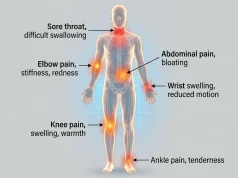


This guide explains symptoms of hormonal imbalance in body, including early signs, causes, diagnosis, and treatment options. It helps improve awareness, early detection, and effective management for better physical, emotional, and overall health balance.
The symptoms of hormonal imbalance in body can affect nearly every system in the human body, including metabolism, mood, energy levels, sleep, skin health, and reproductive function. Hormones act as powerful chemical messengers that regulate essential body processes, and even slight disruptions in their levels can trigger noticeable physical, emotional, and behavioral changes over time.
When hormones become unbalanced, the body may struggle to maintain normal internal stability. This can lead to persistent fatigue, unexplained weight changes, irregular sleep cycles, and mood instability. In many cases, these changes develop gradually, making them easy to overlook or misinterpret as temporary stress or lifestyle-related issues.
Understanding hormonal imbalance signs and symptoms is essential for early detection and prevention of more serious health complications. Early recognition allows individuals to seek timely medical evaluation and begin appropriate treatment before the condition progresses further. Unfortunately, many people ignore these early warning signs, assuming they are caused by stress, poor sleep, or aging, which often delays proper diagnosis and effective care.
In addition to physical symptoms, hormonal imbalance can also impact mental clarity and emotional well-being. Many individuals experience brain fog, anxiety, irritability, or difficulty concentrating, which further affects daily productivity and quality of life. Reproductive health issues such as irregular menstrual cycles or reduced fertility may also occur depending on the hormones involved.
This guide provides a clear and structured explanation of the early signs of hormonal imbalance, its common causes, diagnostic methods, and available treatment options. It aims to help readers understand how hormonal health influences overall well-being and why early intervention is important for maintaining long-term balance and health stability.
Understanding Hormonal Imbalance
 Hormonal imbalance occurs when there is too much or too little of a hormone in the bloodstream. Since hormones regulate many vital body functions, even small fluctuations can significantly affect physical, mental, and emotional health over time.
These chemical messengers control metabolism, growth, mood, sleep, reproduction, and energy balance. When they are disrupted, the body struggles to maintain normal internal stability, leading to a wide range of causes and symptoms of hormonal imbalance that may vary from person to person depending on age, gender, and overall health condition.
Common hormones affected include:
- Estrogen
- Testosterone
- Thyroid hormones
- Cortisol
- Insulin
Imbalance in any of these hormones can trigger noticeable changes in the body, often developing gradually and becoming more severe if left untreated.
Early Signs of Hormonal Imbalance in Body
The early signs of hormonal imbalance are often subtle but clinically important. Recognizing them at an early stage can significantly improve treatment outcomes and prevent long-term complications.
Common early symptoms include:
- Persistent fatigue
- Mood swings and irritability
- Unexplained weight gain or weight loss
- Irregular sleep patterns or insomnia
- Low energy levels throughout the day
- Skin changes such as acne, dryness, or increased sensitivity
These symptoms are frequently mistaken for stress, poor lifestyle habits, or temporary fatigue, which is why many cases of hormonal imbalance remain undiagnosed for long periods.
For related reading, you can explore:
These resources help further explain how fatigue and sleep disturbances are often linked with hormonal changes in the body.
Hormonal Imbalance Signs and Symptoms
The hormonal imbalance signs and symptoms can vary significantly depending on age, gender, lifestyle, and which hormones are affected. Because hormones influence nearly every major system in the body, the symptoms often appear in multiple forms at the same time, making the condition harder to recognize early.
Physical Symptoms:
- Weight fluctuations (unexplained gain or loss)
- Hair loss or thinning
- Acne, dry skin, or other skin problems
- Digestive issues such as bloating or discomfort
- Muscle weakness and reduced physical strength
These physical changes often develop gradually and may be mistaken for normal aging or lifestyle-related issues.
Emotional Symptoms:
- Anxiety and constant worry
- Depression or low mood
- Irritability and mood swings
- Poor concentration and mental fog
Emotional instability is one of the most commonly overlooked symptoms of hormonal imbalance in body, often affecting daily productivity and relationships.
Reproductive Symptoms:
- Irregular menstrual cycles
- Reduced libido or sexual desire
- Fertility challenges or hormonal reproductive issues
These symptoms are often linked to imbalances in estrogen, testosterone, or thyroid hormones and may require medical evaluation for proper diagnosis.
Because these symptoms overlap across different body systems, diagnosing a hormonal imbalance can be complex without proper testing and clinical assessment.
Causes and Symptoms of Hormonal Imbalance
 The causes and symptoms of hormonal imbalance are closely connected, as underlying triggers directly influence how symptoms appear in the body. Understanding these causes is essential for effective treatment and long-term management.
1. Stress
Chronic stress leads to elevated cortisol levels, which can disrupt the balance of other important hormones such as thyroid hormones, insulin, and reproductive hormones. Over time, this can contribute to persistent fatigue, weight changes, and mood disturbances.
2. Poor Diet
A diet lacking essential nutrients such as vitamins, minerals, and healthy fats can negatively affect hormone production and regulation. Processed foods and excessive sugar intake may further worsen the imbalance.
3. Medical Conditions
Certain health conditions, including diabetes and thyroid disorders, are strongly linked to hormonal disruption. These conditions often require long-term management to stabilize hormone levels.
For more clinical insight, you can explore:
4. Lifestyle Factors
Unhealthy lifestyle habits such as poor sleep quality, lack of physical activity, and obesity can significantly contribute to hormonal imbalance. These factors not only trigger symptoms but can also worsen existing conditions if not addressed properly.
Overall, identifying the root causes is a key step in managing early signs of hormonal imbalance and restoring proper hormonal function in the body.
Hormonal Imbalance and Brain Function
Hormones play a critical role in regulating brain function, emotional stability, and cognitive performance. When hormone levels are balanced, the brain operates efficiently, supporting clear thinking, stable mood, and good memory. However, when imbalance occurs, it can significantly affect mental clarity and daily functioning.
An increase or decrease in key hormones such as cortisol, thyroid hormones, estrogen, and insulin may interfere with neurotransmitter activity in the brain. This disruption often leads to noticeable cognitive and emotional changes, which are common symptoms of hormonal imbalance in body.
Common effects on brain function include:
- Brain fog and mental fatigue
- Memory issues and forgetfulness
- Difficulty concentrating and reduced focus
- Slower thinking and decision-making
These symptoms can impact productivity, learning ability, and overall quality of life if left unaddressed.
Related reading:
Brain Fog Causes and Treatment
Difficulty Concentrating Medical Reasons
Diagnosis of Hormonal Imbalance
Doctors diagnose hormonal imbalance through a combination of clinical evaluation, patient history, and laboratory testing. Since symptoms often overlap with other health conditions, accurate diagnosis is essential for effective treatment planning.
Common diagnostic methods include:
- Blood tests to measure hormone levels
- Thyroid function tests (T3, T4, TSH)
- Insulin level testing for metabolic assessment
- Imaging scans in specific cases (such as tumors or gland abnormalities)
Early and accurate diagnosis is crucial for managing symptoms of hormonal imbalance in body, as it allows healthcare providers to identify the underlying cause and begin appropriate treatment before complications develop.
Treatment Options
Treatment for hormonal imbalance depends on the underlying cause, severity of symptoms, and individual patient health condition. A combination of medical intervention and lifestyle modification is often required for best results.
Medical Treatment:
- Hormone replacement therapy (HRT)
- Thyroid medications for thyroid disorders
- Insulin regulation drugs for metabolic imbalance
These treatments help restore hormonal balance and reduce the severity of early signs of hormonal imbalance.
Lifestyle Changes:
- Maintaining a healthy, balanced diet rich in nutrients
- Regular physical activity to support metabolism and hormone regulation
- Stress management techniques such as meditation or yoga
- Proper sleep routine to stabilize hormonal cycles
Lifestyle adjustments are often the foundation of long-term management and play a major role in reducing hormonal imbalance signs and symptoms.
Natural Support:
- Herbal supplements (only under medical supervision)
- Balanced nutrition with adequate vitamins and minerals
- Proper hydration to support metabolic and endocrine function
When combined with medical treatment, these supportive strategies can significantly improve overall hormonal health and help restore balance in the body over time.
Hormonal Imbalance in Women and Men
 Hormonal imbalance affects both women and men, but the patterns, causes, and severity of symptoms can differ based on biological and hormonal differences.
Women:
Women are more likely to experience hormonal fluctuations due to natural life stages such as menstruation, pregnancy, postpartum changes, and menopause. These phases involve significant shifts in estrogen and progesterone levels, which can trigger noticeable symptoms of hormonal imbalance in body.
Common effects in women may include irregular menstrual cycles, mood swings, weight changes, skin issues, and fatigue. In some cases, reproductive health challenges such as fertility issues may also occur if hormonal imbalance persists.
Men:
Men may experience hormonal imbalance primarily due to declining testosterone levels, chronic stress, poor lifestyle habits, or underlying medical conditions. This can lead to reduced energy, muscle loss, mood changes, and decreased libido.
Although both genders experience hormonal imbalance signs and symptoms, the presentation and underlying causes often differ, requiring personalized evaluation and treatment approaches.
Lifestyle Tips to Balance Hormones
Maintaining hormonal balance often starts with healthy daily habits. Lifestyle modifications play a key role in reducing early signs of hormonal imbalance and supporting long-term endocrine health.
Helpful lifestyle tips include:
- Eat whole foods rich in essential nutrients such as vitamins, minerals, and healthy fats
- Avoid excessive processed sugar and refined carbohydrates
- Exercise regularly to support metabolism and hormone regulation
- Manage stress through relaxation techniques like meditation, yoga, or breathing exercises
- Maintain a consistent sleep schedule of 7–8 hours daily
These habits help stabilize hormone production, improve energy levels, and support emotional well-being. Over time, they contribute significantly to reducing causes and symptoms of hormonal imbalance and improving overall health.
For additional wellness insights, explore:
Gut Health Imbalance Symptoms and Effects
Micronutrient Deficiency Symptoms
When to See a Doctor
It is important to seek medical advice if hormonal symptoms persist or worsen over time. Early diagnosis and treatment can prevent complications and restore balance more effectively.
You should consult a doctor if you experience:
- Symptoms lasting for several weeks or longer
- Severe or persistent fatigue that affects daily life
- Irregular or missed menstrual cycles
- Sudden and unexplained weight changes
Timely medical attention is essential for managing the causes and symptoms of hormonal imbalance effectively and preventing long-term health issues. Early intervention improves treatment outcomes and helps restore hormonal stability more efficiently.
Conclusion
The symptoms of hormonal imbalance in body can affect physical, emotional, and mental health. Early detection of hormonal imbalance signs and symptoms is essential for effective treatment and prevention of complications.
With proper lifestyle changes, medical care, and awareness of early signs of hormonal imbalance, individuals can restore balance and improve overall well-being.
Maintaining consistent daily habits such as healthy eating, regular exercise, and quality sleep plays a major role in supporting hormone stability. Stress management is also crucial, as long-term stress can significantly disrupt internal balance.
Seeking timely medical advice helps identify the root cause and prevents the condition from progressing further. With the right approach, most hormonal issues can be effectively managed and controlled over time.
Overall, awareness and early action are key to maintaining long-term hormonal health and improving quality of life.
Frequently Asked Questions
1. What are symptoms of hormonal imbalance in body?
They include fatigue, mood swings, weight changes, and irregular sleep patterns. These symptoms may appear gradually and affect both physical and mental health. If ignored, they can interfere with daily life and overall well-being.
2. What are early signs of hormonal imbalance?
Early signs include low energy, acne, stress, and irregular cycles.
Many people mistake these signs for normal lifestyle issues or temporary fatigue. Recognizing them early helps in faster diagnosis and better treatment outcomes.
3. What causes hormonal imbalance?
Stress, poor diet, medical conditions, and lifestyle factors are common causes. Hormones can also be affected by lack of sleep and physical inactivity. Identifying the root cause is important for effective treatment.
4. Can hormonal imbalance be treated?
Yes, hormonal imbalance can be managed with proper treatment and lifestyle changes. Doctors may recommend medication, hormone therapy, or dietary adjustments. Regular monitoring is essential for long-term improvement.
5. Is hormonal imbalance serious?
Yes, if left untreated, it can lead to chronic health complications.
It may affect metabolism, reproductive health, and emotional stability. Early treatment helps prevent long-term damage.
6. How is hormonal imbalance diagnosed?
It is diagnosed through blood tests and hormone level evaluations. Doctors may also use thyroid or insulin tests depending on symptoms. Accurate diagnosis is key for effective treatment planning.
7. Can diet affect hormones?
Yes, diet plays a major role in hormone production and balance.
Poor nutrition or excessive sugar intake can disrupt hormonal function. A balanced diet supports stable hormone levels.
8. Does stress affect hormones?
Yes, stress increases cortisol levels, which disrupts hormonal balance. Chronic stress can negatively impact mood, sleep, and metabolism. Managing stress is essential for hormonal health.
9. Who is more affected by hormonal imbalance?
Both men and women can experience hormonal imbalance.
However, women are more commonly affected due to natural hormonal cycles. Lifestyle and age also influence risk levels.
10. Can exercise help hormonal imbalance?
Yes, regular exercise helps regulate hormones naturally. It improves metabolism, reduces stress, and supports overall balance. Consistent physical activity is beneficial for long-term health.