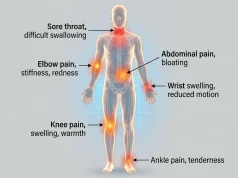

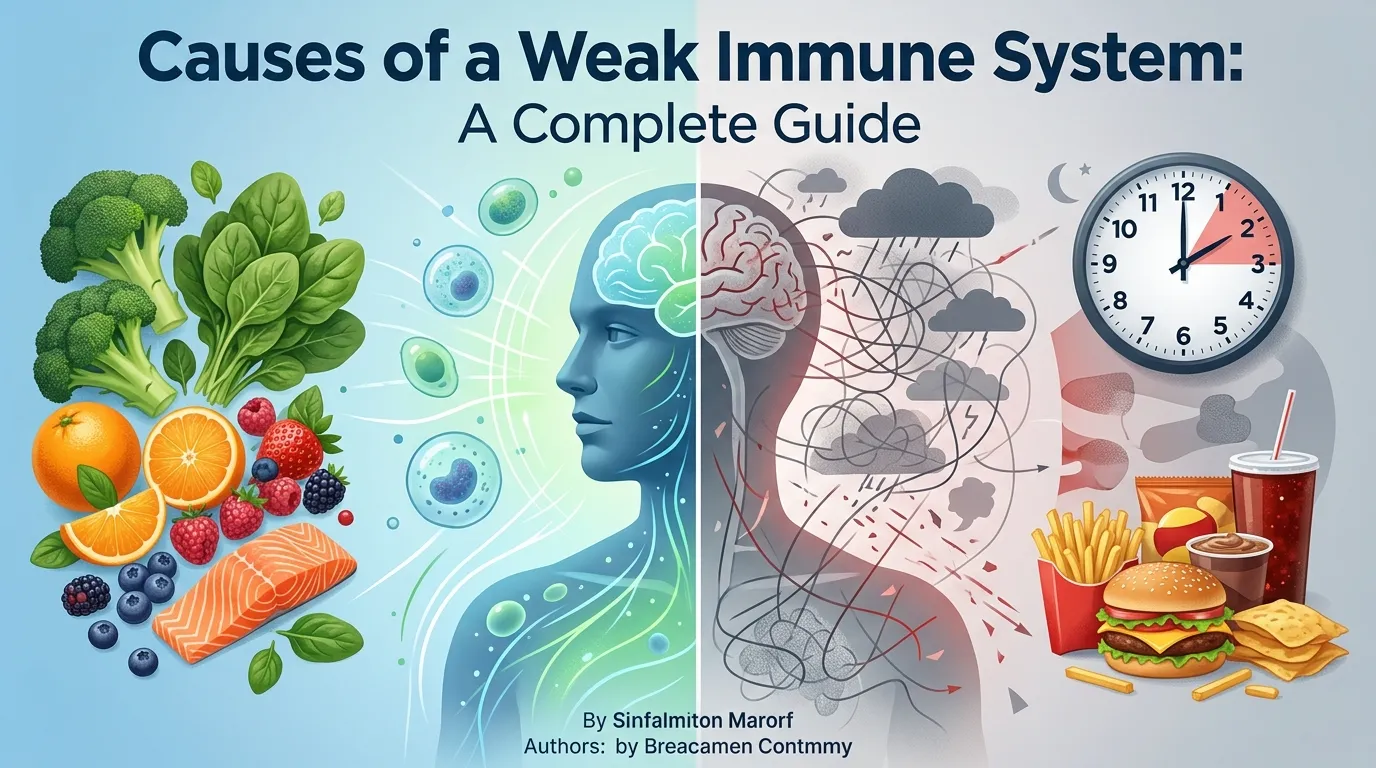
A weak immune system can result from poor nutrition, chronic stress, sleep deprivation, sedentary habits, smoking, alcohol use, environmental toxins, underlying medical conditions, certain medications, and natural aging.
Identifying and addressing these causes is essential for restoring immune system health and reducing susceptibility to infection and disease.
Your immune system works around the clock. Every breath you take, every surface you touch, every meal you eat exposes your body to potential threats—bacteria, viruses, fungi, and other pathogens that your immune defenses either neutralize or defeat. Most of the time, this happens without you noticing a thing.
But sometimes the system falters. Frequent colds, infections that drag on for weeks, wounds that heal slowly, and persistent fatigue are all signals that your immune system health may be compromised. The question is: why?
The causes of a weak immune system are rarely just one thing. They tend to be layered—a combination of lifestyle habits, environmental exposures, underlying health conditions, and biological changes that accumulate over time. Understanding those causes gives you the power to act before immune system disorders take hold.
This guide walks through every major cause of immunosuppression, what each one does to your defenses, and how to recognize when your body is struggling. You will also find practical strategies for strengthening your immune response and clear guidance on when to seek medical support.
What Does the Immune System Actually Do?
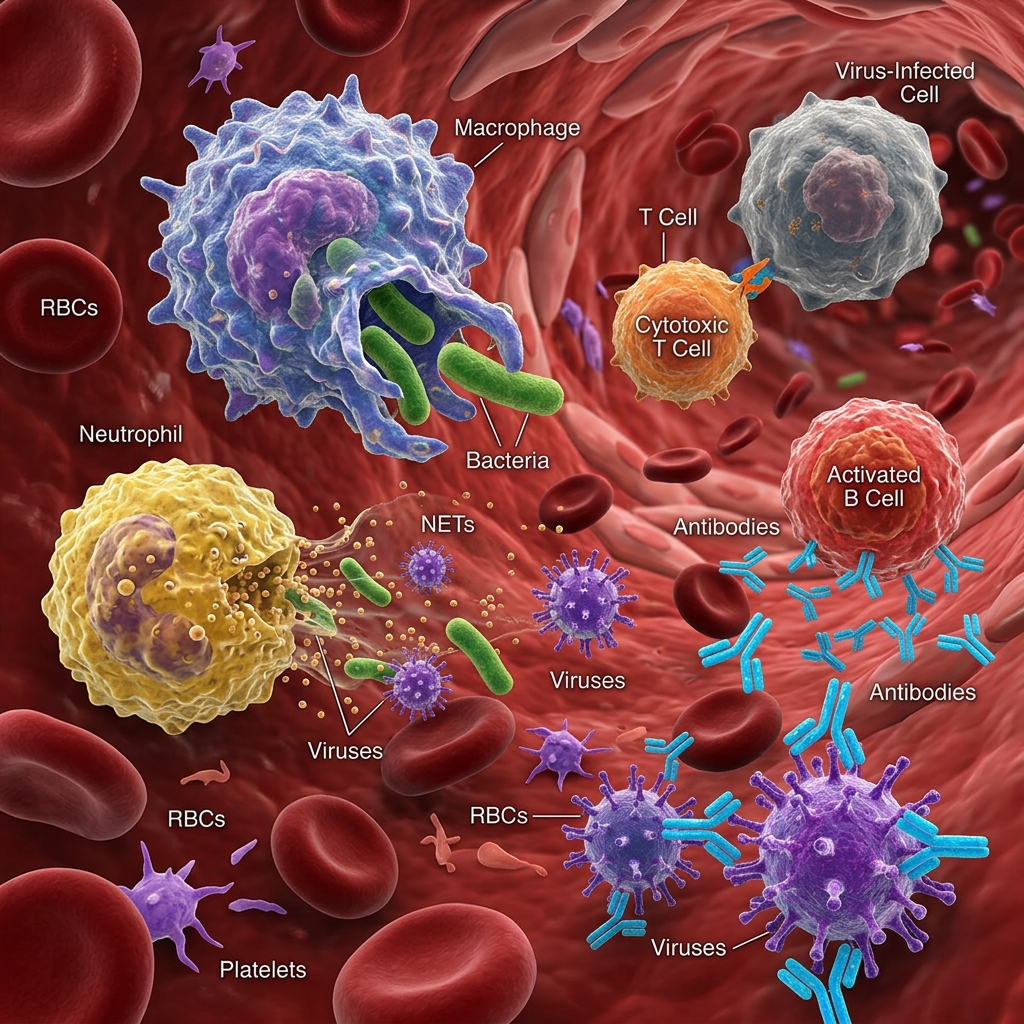 The immune system is a complex network of cells, tissues, organs, and proteins that defend your body against harmful invaders. It includes white blood cells, antibodies, lymph nodes, the spleen, the thymus, and the bone marrow—all working in coordinated layers to detect, respond to, and remember threats.
A strong immune system distinguishes between your own healthy cells and foreign invaders, then mounts a targeted defense. A weak immune system struggles with that distinction or cannot mount a strong enough response. The result is more frequent infections, slower recovery, and greater vulnerability to conditions that a healthy immune system would typically suppress.
Roughly 70% of your immune system resides in your gut, making digestive health one of the most critical and often overlooked components of overall immunity. When gut bacteria fall out of balance, immune defenses weaken alongside them—a connection explored in depth in our guide on gut health imbalance symptoms and effects.
Lifestyle Factors That Weaken the Immune System
How Does Poor Nutrition Cause a Weak Immune System?
Diet is the foundation of immune function. Your immune cells need a steady supply of vitamins, minerals, and macronutrients to multiply, communicate, and fight infection effectively. When that supply runs dry, immune performance drops.
Key deficiencies that impair immunity include:
- Vitamin C: Essential for the production and function of white blood cells. Low vitamin C reduces the body’s ability to fight bacterial and viral infections.
- Vitamin D: Regulates the immune response and helps activate T-cells that target pathogens. According to the World Health Organization, vitamin D deficiency affects over 1 billion people globally—making it one of the most widespread immune vulnerabilities worldwide.
- Zinc: Required for immune cell development and inflammatory signaling. Even mild zinc deficiency noticeably reduces immune response.
- Iron: Powers the metabolism of immune cells. Iron deficiency anemia slows their production and function. For more on how nutrient gaps drain your energy and immune reserves, see our guide on vitamin deficiency fatigue.
Processed foods compound the problem. Diets heavy in refined sugars, artificial additives, and trans fats promote chronic low-grade inflammation—a state that paradoxically exhausts immune resources while failing to provide useful protection. A diet lacking in fiber also harms the gut microbiome, which directly controls a major portion of immune regulation.
What Does Chronic Stress Do to the Immune System?
Stress is one of the most potent suppressors of immune function. When the body perceives a threat, it releases cortisol and adrenaline—hormones designed to redirect energy toward immediate survival. In short bursts, this is protective. Sustained over weeks or months, it becomes destructive.
Chronically elevated cortisol suppresses the production of lymphocytes, the white blood cells responsible for fighting infection. It also reduces the body’s inflammatory response, which sounds beneficial but actually leaves you less able to mount a defense when you need one. Research published in the journal Psychological Science has consistently linked high stress with increased susceptibility to the common cold and slower wound healing.
The connection between mental well-being and immune health runs deeper than most people realize. Stress also damages the gut-brain axis, disrupting microbiome balance and further weakening immune defenses. Our guide on mental fog after stress and anxiety explores how prolonged stress affects both the brain and the body’s broader physiological balance.
How Does Sleep Deprivation Weaken Immune Defenses?
During sleep, your body produces and releases cytokines—proteins that target infection and inflammation. Cut sleep short and cytokine production drops. So does the production of antibodies and immune cells that fight off viruses and bacteria.
According to a study published in the journal Sleep, people who slept fewer than six hours per night were four times more likely to develop a cold when exposed to a rhinovirus compared to those who slept seven hours or more. Adults need seven to nine hours of quality sleep each night for their immune system to function properly. Chronic sleep deprivation does not just make you tired—it fundamentally compromises your body’s ability to protect itself.
Does a Sedentary Lifestyle Affect Immune System Health?
Regular physical activity is one of the most underutilized tools for immune support. Exercise improves circulation, which helps immune cells move through the body more efficiently. It also reduces levels of stress hormones and supports healthy gut microbiome diversity.
A sedentary lifestyle has the opposite effect. Inactivity reduces immune surveillance—the process by which immune cells patrol the body looking for threats. It also contributes to obesity, insulin resistance, and chronic inflammation, all of which further weaken immune defenses over time. Moderate-intensity exercise performed consistently—not extreme exertion, which can temporarily suppress immunity—provides the greatest benefit.
How Do Alcohol and Smoking Compromise Immunity?
Both alcohol and tobacco damage the immune system through distinct but equally harmful mechanisms.
Alcohol disrupts the gut microbiome, impairs the production of immune cells, and increases inflammation. Heavy drinking reduces the body’s ability to fight bacterial infections and slows wound healing. Even moderate alcohol consumption has been shown to alter immune gene expression in ways that reduce defense capacity.
Smoking damages the physical barriers that protect the respiratory tract—the mucous membranes and cilia that trap and expel pathogens before they can cause infection. Cigarette smoke also reduces the function of natural killer cells and increases the risk of respiratory infections, pneumonia, and immune system disorders. The toxins in tobacco directly impair both innate and adaptive immunity.
Environmental Factors That Impair Immune Function

Can Air Pollution and Toxins Cause a Weak Immune System?
Environmental exposures are a frequently overlooked cause of immunosuppression. Long-term exposure to air pollution—particularly fine particulate matter (PM2.5) from vehicle emissions and industrial sources—damages the respiratory immune barrier and triggers chronic inflammation. The World Health Organization has identified air pollution as one of the greatest environmental health risks worldwide.
Pesticide residues in food and water, heavy metals like lead and mercury, and industrial chemicals can disrupt immune signaling and reduce the production of immune cells over time. Limiting exposure where possible—through air filtration, filtered water, and choosing lower-pesticide food options—supports immune resilience.
How Do Poor Hygiene Practices Contribute to Immune Weakness?
Poor hygiene does not directly suppress the immune system, but it dramatically increases the burden placed on it. Frequent hand contact with contaminated surfaces, poor handwashing technique, and unclean living environments expose the immune system to a higher and more constant load of pathogens. Over time, a persistently high infectious burden can exhaust immune resources.
Proper handwashing—using soap and water for at least 20 seconds—remains one of the most effective public health interventions for reducing infection transmission. Maintaining cleanliness in shared and personal spaces reduces the microbial challenge your immune system must manage daily.
Medical Conditions That Cause Immune System Disorders
What Chronic Diseases Suppress the Immune System?
Several medical conditions directly interfere with immune function:
- Autoimmune disorders (e.g., lupus, rheumatoid arthritis): The immune system mistakenly attacks the body’s own tissues, consuming immune resources and leaving fewer defenses available for genuine threats.
- Type 2 diabetes: High blood sugar impairs the function of immune cells, reduces circulation to peripheral tissues, and increases susceptibility to bacterial infections—particularly skin infections and urinary tract infections.
- HIV/AIDS: The human immunodeficiency virus directly targets and destroys CD4+ T-cells, the immune cells that coordinate the body’s defenses. Without treatment, HIV leads to AIDS—a state of severe immunodeficiency. According to UNAIDS, approximately 39 million people were living with HIV globally as of 2022.
- Primary immunodeficiency disorders: A group of more than 450 rare genetic conditions in which parts of the immune system are absent or function abnormally from birth.
How Do Medications Weaken the Immune System?
Some of the most commonly prescribed medications have immunosuppressive effects as a direct consequence of how they work:
- Corticosteroids (e.g., prednisone): Used for inflammatory and autoimmune conditions, corticosteroids suppress broad immune activity. Long-term use significantly increases infection risk.
- Chemotherapy and radiation therapy: Cancer treatments target rapidly dividing cells—including the immune cells produced in bone marrow. Both reduce white blood cell counts and leave patients vulnerable to opportunistic infections during and after treatment.
- Biologic medications: Drugs used in autoimmune conditions (such as TNF inhibitors) block specific immune pathways and lower immune vigilance.
If you are taking an immunosuppressive medication, your healthcare provider should discuss the associated infection risks and how to manage them.
How Does Aging Weaken the Immune System?

What Is Immunosenescence and How Does It Affect Immune System Health?
The immune system changes with age through a process called immunosenescence—the gradual decline in immune function that occurs naturally as the body ages. Thymus gland activity, which produces T-cells, decreases significantly after puberty and continues declining across the lifespan. By older adulthood, the thymus produces far fewer new immune cells, limiting the body’s ability to respond to novel pathogens.
Older adults also produce fewer antibodies in response to vaccines, experience slower wound healing, and are more vulnerable to infections like influenza and pneumonia that younger, healthy adults might easily overcome. Chronic low-grade inflammation—sometimes called “inflammaging“—becomes more common with age, further straining immune resources. These changes are a normal part of aging, but lifestyle choices significantly influence how quickly and severely they progress.
What Are the Symptoms of a Weak Immune System?
Recognizing weak immune system symptoms early allows for earlier intervention. The most common warning signs include:
- Frequent infections: More than two to three serious infections per year—or infections that return repeatedly—can indicate immune system weakness.
- Persistent fatigue: Ongoing exhaustion that does not improve with rest may signal that your immune system is constantly active or under-resourced. Our guide on constant fatigue causes without illness outlines when tiredness points to a deeper issue.
- Slow wound healing: When cuts, scrapes, or surgical sites take unusually long to heal, immune cell activity at the wound site may be inadequate.
- Digestive issues: Frequent diarrhea, bloating, or stomach cramps can reflect gut-immune dysfunction, since a large portion of immune activity is concentrated in the digestive tract.
- Other warning signs: Recurring rashes, mouth ulcers, unusual reactions to common infections, or infections with organisms that rarely affect healthy people can all indicate immune system disorders.
How Can You Strengthen a Weak Immune System?
What Dietary and Lifestyle Changes Support Immune System Health?
Supporting immune function does not require dramatic interventions. Consistent, evidence-based habits produce the most durable results:
- Eat a nutrient-dense diet: Prioritize vegetables, fruits, legumes, whole grains, and lean proteins. Fermented foods such as yogurt, kefir, and kimchi support gut microbiome diversity and immune regulation. According to the Harvard T.H. Chan School of Public Health, a high-fiber, fermented-food diet is among the most effective dietary approaches for microbiome and immune support.
- Manage stress proactively: Mindfulness, deep breathing, journaling, and regular physical activity all reduce cortisol and help restore immune balance.
- Prioritize sleep: Seven to nine hours per night is the evidence-based target for adults. Consistent sleep schedules and good sleep hygiene protect immune cell production and cytokine release.
- Exercise regularly: Aim for at least 150 minutes of moderate-intensity activity per week, as recommended by the World Health Organization.
- Avoid harmful substances: Reducing alcohol intake and quitting smoking directly improve immune cell function and respiratory barrier integrity.
- Consider targeted supplementation: Vitamin D, zinc, and vitamin C supplementation may be warranted where deficiency is confirmed. Always discuss supplementation with a healthcare provider before starting.
Conclusion
The causes of a weak immune system are often linked to lifestyle choices, medical conditions, and natural aging processes. Recognizing these risk factors early can help prevent frequent illnesses and improve overall well-being. Through proper nutrition, regular exercise, quality sleep, stress management, and appropriate medical care, it is possible to strengthen immune function and support long-term health.
Frequently Asked Questions
1. What are the most common causes of a weak immune system?
The most common causes of a weak immune system include poor nutrition, chronic stress, sleep deprivation, a sedentary lifestyle, alcohol consumption, and smoking. Medical conditions such as diabetes, autoimmune disorders, and HIV/AIDS also directly suppress immune function, as do certain medications like corticosteroids and chemotherapy drugs.
2. What are the key weak immune system symptoms to watch for?
Key weak immune system symptoms include frequent or recurring infections, persistent fatigue that does not improve with rest, slow wound healing, recurring digestive issues, and unusual skin reactions. Experiencing more than two to three serious infections per year is a common clinical indicator of compromised immune system health.
3. Can stress really cause a weak immune system?
Yes. Chronic stress raises cortisol levels, which suppresses the production of lymphocytes—the white blood cells that fight infection. Prolonged stress is a well-documented cause of a weak immune system and increases susceptibility to both viral and bacterial infections.
4. How does poor sleep affect immune system health?
Sleep is when the body produces cytokines, antibodies, and immune cells essential for fighting infection. According to research published in the journal Sleep, people sleeping fewer than six hours per night are significantly more susceptible to illness. Consistent sleep deprivation is a direct cause of a weak immune system.
5. Which vitamin deficiencies are most likely to cause a weak immune system?
Deficiencies in vitamin D, vitamin C, zinc, and iron are most strongly associated with impaired immune function. Vitamin D deficiency alone affects over 1 billion people globally and is one of the most widespread contributors to a weak immune system worldwide.
6. How does aging affect immune system health?
Aging causes immunosenescence—a gradual decline in immune cell production and function. The thymus gland produces fewer T-cells, antibody responses to vaccines weaken, and chronic low-grade inflammation (inflammaging) increases. These changes make older adults more vulnerable to infections and immune system disorders.
7. Can gut health issues cause a weak immune system?
Yes. Approximately 70% of the immune system is located in the gut. Gut microbiome imbalance—caused by poor diet, stress, or antibiotic use—directly weakens immune defenses. Restoring gut health through a fiber-rich, fermented-food diet supports immune system health significantly.
8. What medical conditions are classified as immune system disorders?
Immune system disorders include primary immunodeficiency diseases (genetic conditions affecting immune components), autoimmune disorders (such as lupus and rheumatoid arthritis), and acquired conditions such as HIV/AIDS. Chronic diseases like diabetes also impair immunity, though they are not classified as immune system disorders themselves.
9. Does exercise strengthen or weaken the immune system?
Moderate, consistent exercise strengthens the immune system by improving immune cell circulation, reducing stress hormones, and supporting gut microbiome diversity. Extreme or prolonged high-intensity exercise can temporarily suppress immunity, but regular moderate activity is a proven method for improving immune system health over time.
10. When should I see a doctor about a potentially weak immune system?
Consult a healthcare professional if you experience frequent or severe infections, unusually prolonged recovery times, persistent fatigue, slow wound healing, or recurring digestive problems. If you suspect an underlying immune system disorder or are on immunosuppressive medications, regular medical monitoring is essential.