

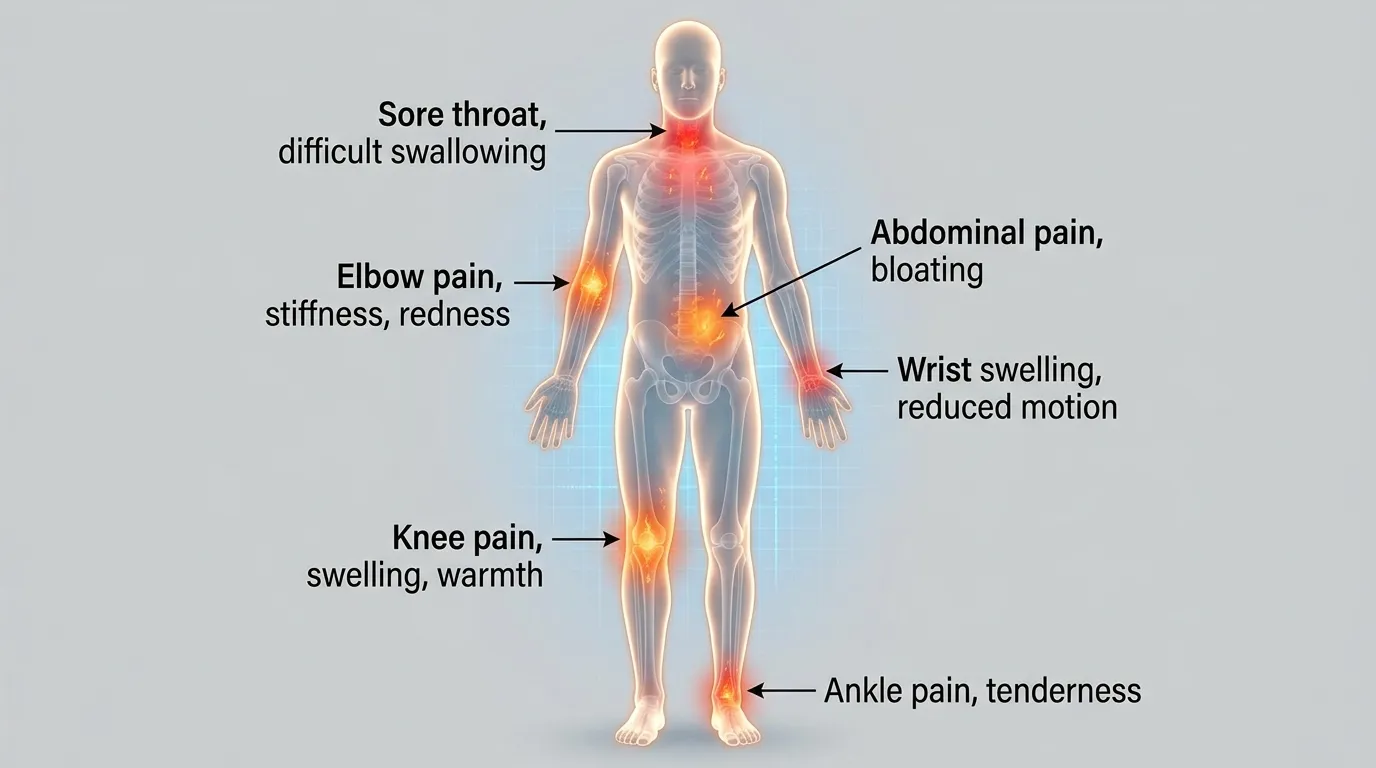
Learn to recognize inflammation symptoms in the body, understand their common causes, and identify signs of chronic inflammation. This guide explains diagnosis, potential health risks, and practical lifestyle strategies to help reduce inflammation and support long-term health.
Inflammation symptoms in body include redness, swelling, heat, pain, fatigue, fever, joint stiffness, skin rashes, digestive issues, and brain fog. Acute inflammation resolves quickly, while chronic inflammation symptoms can persist for months or even years, silently damaging tissues and increasing the risk of long-term health problems.
Your body uses inflammation as a natural defense system. A swollen ankle, a feverish cold, or a red, tender cut are all common signs of inflammation in the body that show your immune system is working to protect and heal you. However, inflammation has two sides. Short-term (acute) inflammation is essential for recovery, while long-term (chronic) inflammation can gradually harm your tissues, organs, and overall well-being.
The challenge is that many inflammation symptoms in the body are easy to overlook. You might blame persistent fatigue on a busy schedule or stiff joints on aging, when they may actually be linked to ongoing inflammation. Understanding the causes of inflammation in the body and recognizing early warning signs can help you seek appropriate care before more serious complications develop.
This guide walks you through every major symptom—from obvious localized signs to subtle systemic clues. You’ll also learn the common causes of inflammation in the body, how doctors diagnose inflammatory conditions, and practical, evidence-based ways to reduce inflammation naturally. By the end, you’ll have a clear understanding of what your body may be trying to tell you and how to support better long-term health.
What Are the Inflammation Symptoms in Body?
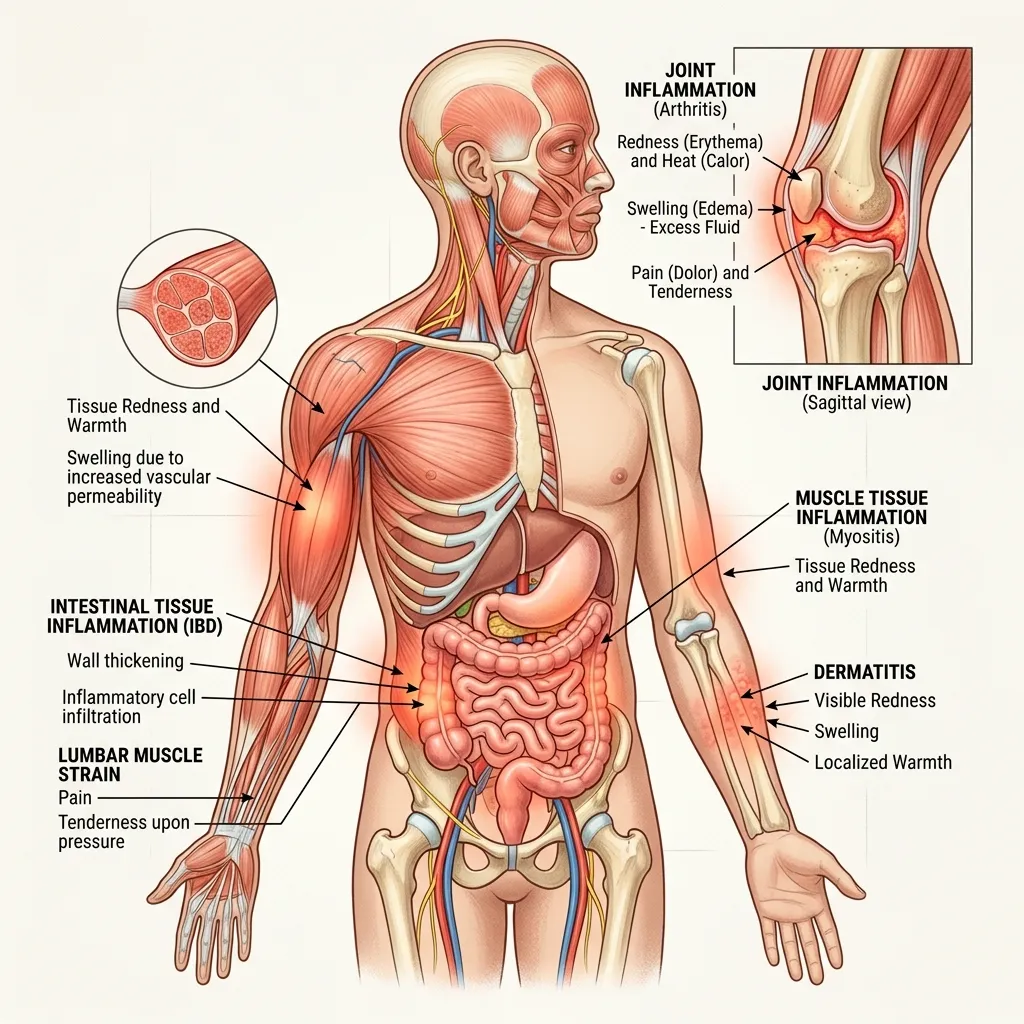 Inflammation is your immune system’s natural response to injury, infection, or harmful invaders. When something threatens your body, your immune system sends white blood cells and protective chemicals to the affected area to fight the threat and begin repairs. This essential process produces various inflammation symptoms in the body, helping you heal and recover from illness or injury.
There are two main types of inflammation, and understanding the difference is key to recognizing the signs of inflammation in the body before they become a more serious health concern.
Acute vs. Chronic Inflammation: What’s the Difference?
Acute inflammation develops quickly and usually resolves within hours or days. Common signs of inflammation in the body include redness, swelling, warmth, pain, and temporary loss of function. Examples include swelling after a sprained ankle, redness around a paper cut, or soreness following an infection. Once healing is complete, the inflammatory response naturally fades.
Chronic inflammation, however, is a long-lasting immune response that may persist for months or even years. Instead of switching off after healing, the immune system remains active, continuously releasing inflammatory chemicals that can gradually damage healthy tissues and organs. Unlike acute inflammation, chronic inflammation symptoms are often subtle and may include ongoing fatigue, joint pain, digestive problems, brain fog, or persistent muscle aches. Understanding the causes of inflammation in the body—such as autoimmune diseases, obesity, chronic infections, smoking, long-term stress, or poor dietary habits—can help identify risk factors early and reduce the likelihood of long-term complications.
Why Understanding Inflammation Symptoms Matters
Chronic inflammation is linked to many of the world’s leading causes of death, including heart disease, type 2 diabetes, and cancer. Because it works silently, spotting the early signs of inflammation in the body gives you a critical window to protect your long-term health. For a deeper look at the slow-burning version, see our guide on the signs of chronic inflammation.
What Are the Common Inflammation Symptoms in the Body?
Inflammation symptoms fall into two broad categories: localized symptoms that appear in one spot, and systemic symptoms that affect your whole body.
What Are the Localized Signs of Inflammation in the Body?
When inflammation strikes a specific area, it produces a classic set of warning signs.
Doctors have recognized these for centuries:
- Redness and swelling: Increased blood flow rushes to the affected area, causing visible redness and puffiness as fluid builds up in the tissues.
- Heat and pain: That same surge of blood makes the area feel warm to the touch. Inflammatory chemicals irritate nerve endings, producing tenderness or sharp pain.
- Loss of function: A swollen, painful joint or muscle may become stiff and hard to move, limiting your normal range of motion.
These four signs—redness, heat, swelling, and pain—are the hallmark features of acute inflammation. They signal that your immune system is actively repairing damage.
What Are the Systemic Symptoms of Inflammation?
When inflammation spreads beyond a single area, it can affect your entire body.
These systemic inflammation symptoms include:
- Fatigue and malaise: An active immune system burns enormous amounts of energy, leaving you drained even after a full night’s sleep.
- Fever and chills: A raised body temperature is your immune system’s way of fighting infection, often accompanied by chills.
- Muscle and joint pain: Inflammatory chemicals irritate nerves and break down tissue, causing widespread aches without an obvious injury.
- Skin issues: Rashes, acne, and irritation often appear when inflammation reaches the skin.
- Digestive problems: Bloating, stomach pain, and IBS-like symptoms can point to inflammation in the gut.
- Brain fog: Trouble focusing and forgetfulness can occur when inflammation interferes with how brain cells communicate. Our guide to brain fog causes and treatment explains this link in detail.
What Are the Chronic Inflammation Symptoms to Watch For?
 Chronic inflammation symptoms are sneaky. They build slowly and often masquerade as everyday complaints. Here’s a closer look at the signs that deserve your attention.
Persistent Fatigue and Low Energy
Feeling exhausted no matter how much you rest is one of the most common chronic inflammation symptoms. When your immune system stays switched on, it burns through energy reserves, leaving you depleted day after day.
Unexplained Weight Gain Around the Abdomen
Belly fat does more than store energy—it actively produces inflammatory chemicals. This creates a frustrating cycle: inflammation encourages fat storage, and that fat pumps out more inflammatory signals. These shifts often overlap with the early signs of metabolic dysfunction, so a growing waistline is worth watching.
Frequent Infections and Slow Healing
When your immune system is busy fighting chronic inflammation, it has fewer resources to tackle new threats. Getting sick often or noticing that cuts heal slowly can signal an overworked immune system.
Gastrointestinal Issues
Your gut is highly sensitive to inflammation. Bloating, cramping, and conditions like inflammatory bowel disease (IBD) or “leaky gut” can all reflect inflammation in the digestive tract. An unhealthy gut also fuels more inflammation, deepening the cycle.
Mood Disorders Like Anxiety and Depression
Inflammation doesn’t just affect how you think—it affects how you feel. Research increasingly links chronic inflammation to anxiety and depression, since inflammatory chemicals disrupt the brain’s mood-regulating systems.
Joint Stiffness and Pain
Aching, stiff joints that come and go without an injury are classic chronic inflammation symptoms. Over time, persistent inflammation can break down healthy joint tissue.
Skin Conditions Like Psoriasis and Eczema
Your skin often reflects what’s happening inside. Psoriasis, eczema, and stubborn acne are frequently driven by underlying inflammation that triggers redness and irritation.
Cardiovascular Symptoms
Chronic inflammation damages blood vessels and can contribute to high blood pressure. Over time, this raises the risk of serious heart problems.
Neurological Symptoms
Frequent headaches, memory issues, and difficulty concentrating can all stem from inflammation crossing into the brain. The symptoms often overlap with hormonal shifts, which our hormonal imbalance symptoms guide explores further.
What Are the Main Causes of Inflammation in the Body?
Understanding the root of the problem is essential for lasting relief. The causes of inflammation in the body generally fall into diet, lifestyle, environment, and underlying health conditions.
Dietary Factors
What you eat has a powerful influence on inflammation. Processed foods, added sugar, fried foods, and unhealthy fats are among the biggest dietary triggers. They overload the body and disrupt normal immune function.
Lifestyle Factors
Your daily habits matter just as much:
- Chronic stress: Ongoing stress keeps cortisol elevated, which fuels inflammation over time. The connection is clear in our guide to the physical symptoms of stress.
- Lack of sleep: Poor sleep prevents your body from repairing itself and raises inflammatory markers.
- Sedentary lifestyle: Too little movement is linked to higher inflammation, while regular activity helps keep it in check.
Environmental Toxins
Exposure to pollution, industrial chemicals, and cigarette smoke triggers an ongoing immune response, keeping inflammation simmering in the background.
Chronic Infections and Autoimmune Diseases
Infections the body never fully clears keep the immune system on high alert. Autoimmune conditions like rheumatoid arthritis and lupus cause the immune system to attack healthy tissue, producing constant inflammation.
Gut Dysbiosis
An imbalance in your gut bacteria disrupts immune function and promotes inflammation throughout the body. A healthy gut microbiome is a cornerstone of keeping inflammation low.
Allergens and Sensitivities
Food sensitivities and allergic reactions can spark repeated inflammatory responses, especially when the triggers go unidentified.
How Is Inflammation Diagnosed?
 Because the signs of inflammation in the body overlap with so many conditions, accurate diagnosis relies on clinical evaluation and lab testing rather than guesswork.
When Should You See a Doctor?
Consult a healthcare provider if your symptoms last several weeks, steadily worsen, or interfere with daily life. Persistent fatigue, unexplained pain, ongoing digestive trouble, and frequent infections all warrant medical attention.
Which Blood Tests Detect Inflammation?
Doctors use several markers to measure inflammation:
- C-reactive protein (CRP): A widely used marker that rises when inflammation is present.
- Erythrocyte sedimentation rate (ESR): Measures how quickly red blood cells settle, which increases with inflammation.
- Homocysteine: An amino acid linked to inflammation and cardiovascular risk.
Imaging and Symptom Assessment
In some cases, imaging tests like MRI or X-rays help identify inflammation in joints or organs. Your doctor will combine these results with a detailed review of your symptoms to pinpoint the underlying cause.
How Can You Manage and Reduce Inflammation?
The encouraging news is that inflammation often responds well to lifestyle changes. Here’s how to bring it under control.
Which Foods Form an Anti-Inflammatory Diet?
What you eat is one of your most powerful tools:
- Omega-3 fatty acids: Found in fatty fish like salmon, omega-3s help balance the body’s inflammatory response.
- Antioxidant-rich foods: Berries, leafy greens, and colorful vegetables help neutralize cell damage that drives inflammation.
- Probiotics and prebiotics: Fermented foods and fiber support a healthy gut microbiome, which keeps inflammation in check.
The Mediterranean diet, built around these whole foods, is consistently linked to lower inflammation. Research published by the National Library of Medicine highlights how antioxidants help reduce the cell damage that fuels inflammation.
Which Lifestyle Changes Help Most?
Beyond diet, daily habits make a major difference:
- Manage stress: Mindfulness, yoga, and meditation lower cortisol and calm the inflammatory response.
- Exercise regularly: Consistent movement lowers inflammatory markers and supports overall health.
- Prioritize sleep: Aim for seven to nine hours each night so your body can repair itself.
Which Supplements Support an Anti-Inflammatory Lifestyle?
Used alongside a healthy diet, certain supplements may help:
- Turmeric and curcumin: Known for their anti-inflammatory effects.
- Ginger: A natural compound that helps calm inflammation.
- Vitamin D: Supports healthy immune regulation.
- Fish oil: A concentrated source of anti-inflammatory omega-3s.
Always talk to a healthcare provider before starting any new supplement, especially if you take medication.
When Are Medical Treatments Necessary?
For severe or condition-related inflammation, medical treatment may be required. NSAIDs such as ibuprofen relieve pain and reduce inflammation short term, while corticosteroids suppress stronger inflammatory responses for more serious cases.
How Is Inflammation Linked to Chronic Diseases?
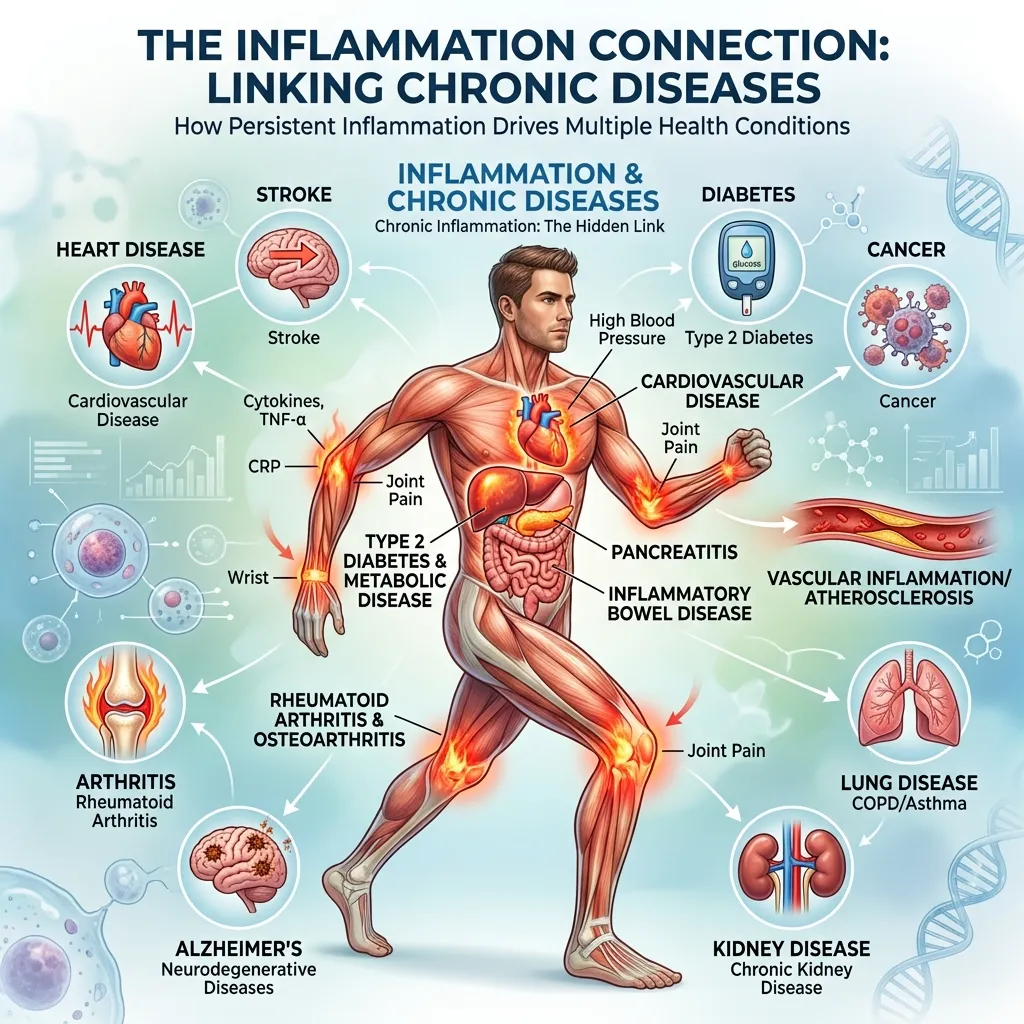 Ignoring inflammation symptoms in the body can have serious consequences.
Over time, persistent inflammation raises the risk of several major diseases:
- Heart disease: Inflammation damages blood vessels and contributes to plaque buildup. According to the American Heart Association, this process plays a key role in cardiovascular problems.
- Diabetes: Chronic inflammation worsens insulin resistance, a core driver of type 2 diabetes.
- Autoimmune disorders: Conditions like lupus and rheumatoid arthritis are both driven by and fuel ongoing inflammation.
- Cancer: Long-term inflammation can damage DNA and create an environment where abnormal cells thrive.
- Neurodegenerative diseases: Inflammation in the brain is increasingly linked to cognitive decline and conditions like Alzheimer’s.
The pattern is clear: inflammation left unchecked today can become a chronic disease tomorrow.
How Can You Prevent Inflammation?
Prevention is your best defense against the long-term effects of inflammation.
A proactive approach focuses on three key areas:
- Regular check-ups: Routine visits and blood tests help catch rising inflammatory markers before symptoms become serious.
- Personalized wellness plans: Tailoring your diet, exercise, and stress management to your own body produces the best results.
- Education and awareness: Knowing the signs of inflammation in the body empowers you to act early and make informed choices.
Conclusion
Inflammation symptoms in the body may work quietly, but the clues are there if you know what to look for. Persistent fatigue, unexplained pain, digestive trouble, skin flare-ups, and brain fog are all messages from your body asking for help. The good news is that you hold real power to change the outcome.
Start small. Improve your diet, move your body daily, manage stress, and protect your sleep. Track any symptoms that linger, and don’t hesitate to ask your doctor for inflammatory marker tests if something feels off. By learning how to read and reduce inflammation now, you can protect your energy, clarity, and long-term health for years to come.
Frequently Asked Questions
1. What are the first signs of inflammation in the body?
The first signs of inflammation in the body often include redness, swelling, heat, and pain in a specific area for acute cases. For chronic inflammation, early signs are usually subtle—persistent fatigue, mild joint pain, digestive discomfort, and brain fog that develop gradually.
2. What are the main causes of inflammation in the body?
The main causes of inflammation in the body include a poor diet high in processed foods and sugar, chronic stress, lack of sleep, a sedentary lifestyle, and environmental toxins. Underlying conditions like autoimmune disease, infections, and gut imbalances also play a major role.
3. How do I know if I have chronic inflammation?
You may have chronic inflammation if you experience ongoing fatigue, unexplained pain, digestive problems, skin flare-ups, or frequent infections. The most reliable way to confirm it is through blood tests that measure markers like C-reactive protein (CRP).
4. What is the fastest way to reduce inflammation in the body?
The fastest way to reduce inflammation is to cut out processed foods and sugar, eat anti-inflammatory foods like berries and fatty fish, stay hydrated, and get quality sleep. For acute flare-ups, rest and anti-inflammatory medication may help short term, but lasting results require consistent lifestyle changes.
5. Which foods reduce inflammation the most?
Berries, leafy greens, fatty fish like salmon, nuts, olive oil, turmeric, and ginger are among the most effective anti-inflammatory foods. The Mediterranean diet combines many of these and is strongly linked to lower inflammation.
6. Can stress really cause inflammation in the body?
Yes. Chronic stress keeps cortisol levels elevated, which fuels ongoing inflammation throughout the body. Managing stress through relaxation techniques, exercise, and sleep is an important part of reducing inflammation.
7. What blood test shows inflammation in the body?
The C-reactive protein (CRP) test is the most common. Doctors may also order an erythrocyte sedimentation rate (ESR) or homocysteine test to measure inflammation levels and assess underlying risk.
8. Is chronic inflammation reversible?
In many cases, yes. When driven by lifestyle factors, chronic inflammation often improves significantly through a better diet, regular exercise, quality sleep, and stress management. Inflammation tied to medical conditions may require ongoing treatment.
9. How long does it take to reduce inflammation in the body?
Lifestyle-driven inflammation can begin to improve within a few weeks of consistent changes, though lasting results usually take several months. Inflammation linked to chronic conditions may require long-term management.
10. What diseases are linked to chronic inflammation?
Chronic inflammation is linked to heart disease, type 2 diabetes, cancer, autoimmune disorders, and neurodegenerative diseases like Alzheimer’s. Catching the signs early and managing them can significantly lower your risk.