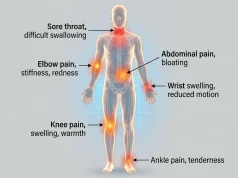


Chronic inflammation and fatigue are closely connected. When the immune system stays activated for too long, it depletes energy reserves, disrupts brain chemistry, and damages tissues—leaving you exhausted even after a full night’s sleep.
Identifying inflammation symptoms early and addressing root causes through diet, lifestyle, and medical care can break this cycle.
You sleep eight hours and still wake up exhausted. You push through your day, blame it on stress, and assume things will improve. For millions of people, they never do—because the real problem isn’t a busy schedule. It’s inflammation.
Chronic inflammation and fatigue share a biological relationship that is far deeper than most people realize. When the immune system stays switched on longer than it should, it consumes enormous amounts of energy, floods the body with pro-inflammatory chemicals, and gradually disrupts every major system from your gut to your brain. The result is a persistent, bone-deep tiredness that no amount of coffee or sleep seems to fix.
This post covers everything you need to know: what inflammation actually is, why it causes fatigue, the full range of inflammation symptoms to watch for, which conditions drive this cycle, and the most effective strategies to break it. By the end, you’ll have a clear picture of what your body may be telling you—and a practical roadmap to reclaim your energy.
What Is Inflammation and Why Does It Cause Fatigue?

What is inflammation?
Inflammation is your immune system’s natural defense mechanism. When your body detects an injury, infection, or harmful substance, it responds by sending white blood cells and protective chemicals to the affected area. This process repairs damage and neutralizes threats. Done correctly, it’s essential for survival.
The problem arises when this response never fully shuts off.
What is fatigue?
Fatigue, in the clinical sense, goes beyond ordinary tiredness. It’s a persistent lack of energy that doesn’t resolve with rest, often accompanied by brain fog, muscle weakness, and a general inability to function at full capacity. Fatigue frequently signals that something deeper is wrong inside the body.
What is the link between inflammation and fatigue?
The connection between inflammation and fatigue comes down to biology. Active immune responses burn through the body’s energy reserves at an accelerating rate. Inflammatory cytokines—the chemical messengers the immune system releases—directly affect the brain’s energy-regulating centers, alter sleep architecture, and suppress the production of neurotransmitters like serotonin and dopamine. This combination produces the kind of fatigue that sleep alone cannot resolve.
According to research published by the National Library of Medicine, oxidative stress and inflammatory signaling play a central role in fatigue associated with chronic disease. The immune system’s energy demands, when sustained over months or years, effectively starve the rest of the body of fuel.
Understanding Chronic Inflammation and Fatigue
Acute inflammation: The body’s natural defense
Acute inflammation is fast, purposeful, and temporary. A swollen ankle after a sprain, redness around a cut, or a fever during a cold—these are all signs the immune system is doing its job. Acute inflammation typically peaks within hours or days and resolves once healing is complete. The fatigue that comes with it (think how drained you feel when sick) is temporary and proportional.
Chronic inflammation and fatigue: When the immune system overstays its welcome
Chronic inflammation is a fundamentally different state. Here, the immune response never fully resolves. Low levels of inflammatory chemicals circulate continuously, quietly damaging tissues, disrupting organ function, and keeping the body in a constant state of defensive readiness. This sustained immune activity is one of the most reliable drivers of long-term fatigue. You can read more about how this pattern develops in our signs of chronic inflammation guide.
Can inflammation cause fatigue? The physiological mechanisms
Yes—and the mechanisms are well-established. Inflammatory cytokines such as interleukin-1 (IL-1), interleukin-6 (IL-6), and tumor necrosis factor-alpha (TNF-α) act directly on the brain. They suppress appetite, disrupt sleep cycles, reduce motivation, and alter how the brain processes pain and pleasure. They also trigger what researchers call “sickness behavior”—a coordinated withdrawal of energy from normal activities to fuel the immune response.
So when someone with chronic inflammation says they feel tired all the time, their body is quite literally redirecting energy away from daily function and into an immune battle that never ends.
The Many Faces of Inflammation: Symptoms Beyond Pain
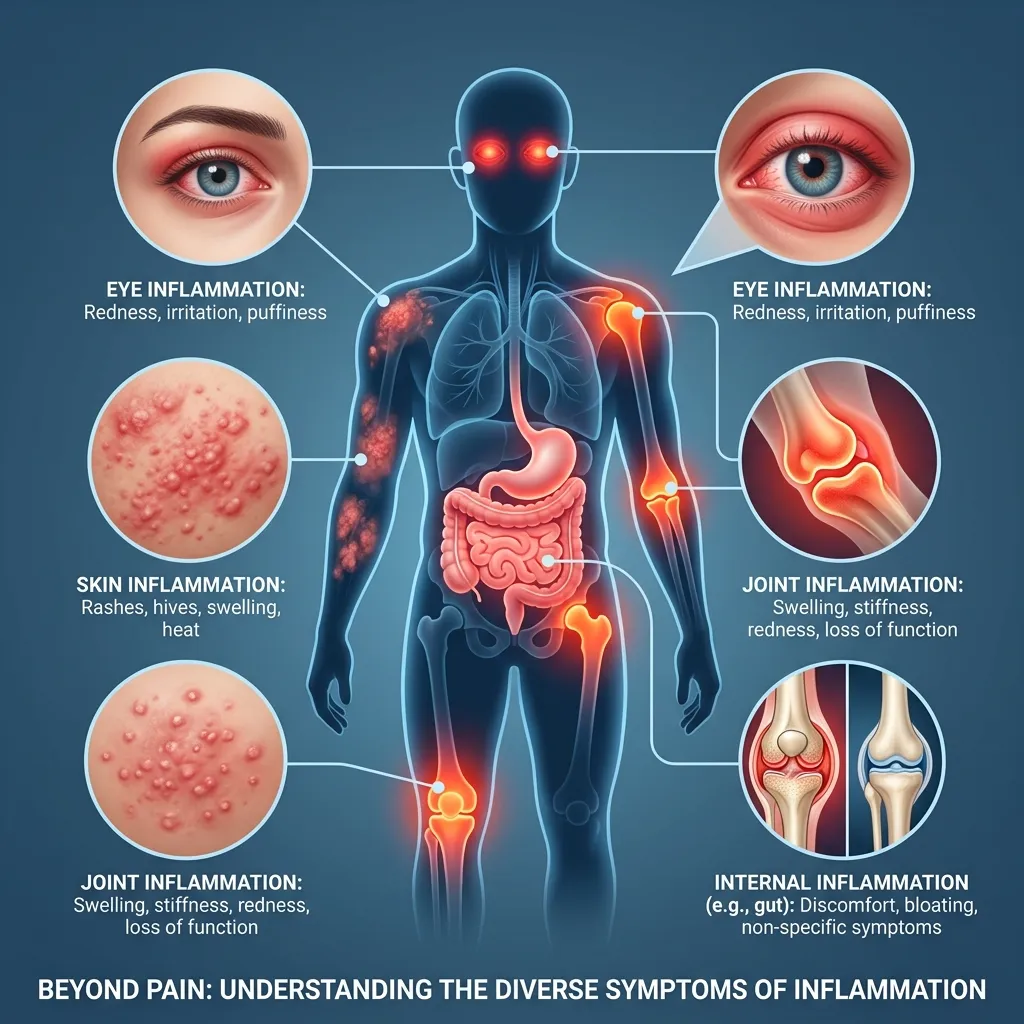 Inflammation symptoms extend far beyond the redness and swelling most people associate with an injury. Chronic low-grade inflammation produces a much wider range of signals, many of which are easy to dismiss or attribute to other causes. For a thorough overview of how these symptoms present across the body, see our full guide to inflammation symptoms in the body.
Physical inflammation symptoms
- Persistent fatigue and low energy — the hallmark of chronic immune activation
- Unexplained joint and muscle pain — inflammatory chemicals irritate nerve endings and break down tissue
- Recurrent headaches — inflammation in blood vessels and surrounding tissue
- Frequent infections — an overworked immune system has fewer resources for new threats
- Slow wound healing — immune energy is diverted, impairing the repair process
- Stubborn abdominal weight gain — visceral fat actively produces inflammatory chemicals, creating a self-reinforcing cycle
Neurological and cognitive inflammation symptoms
- Brain fog — inflammatory cytokines disrupt how brain cells communicate, leading to mental cloudiness, slow thinking, and forgetfulness
- Poor concentration — sustained neuroinflammation reduces mental stamina
- Memory problems — chronic inflammation is increasingly linked to cognitive decline
Emotional and psychological inflammation symptoms
- Anxiety and depression — inflammatory chemicals disrupt serotonin and dopamine pathways in the brain
- Irritability — disrupted sleep and neuroinflammation lower emotional resilience
- Motivation loss — the brain’s reward system is suppressed by pro-inflammatory signaling
Recognizing this full symptom picture matters. Fatigue combined with brain fog, mood changes, and unexplained pain often points to chronic inflammation rather than lifestyle factors alone.
Conditions Where Inflammation Can Cause Fatigue
Many chronic conditions involve persistent inflammation as a core feature—and fatigue is among their most debilitating symptoms.
Autoimmune diseases
In conditions like rheumatoid arthritis and lupus, the immune system attacks healthy tissue. This produces both local and systemic inflammation that never resolves. The resulting cytokine burden places a constant energy drain on the body, making fatigue one of the most commonly reported complaints among autoimmune patients.
Chronic infections
Infections like Lyme disease and Epstein-Barr virus can trigger a prolonged immune response long after the initial infection resolves. The immune system remains on high alert, producing inflammatory signals that sustain fatigue for months or years.
Gut health issues
The gut houses roughly 70% of the immune system. When the gut lining is compromised—a state sometimes called “leaky gut”—bacterial fragments enter the bloodstream and trigger a continuous inflammatory response. Conditions like irritable bowel syndrome (IBS) and inflammatory bowel disease are closely tied to systemic inflammation. Explore the full picture in our gut health imbalance symptoms and effects guide.
Metabolic disorders
Type 2 diabetes and obesity are both strongly linked to chronic inflammation. Excess visceral fat secretes inflammatory cytokines, while high blood sugar promotes oxidative stress and immune activation. Fatigue in these conditions often reflects both the metabolic disruption and the sustained inflammatory load.
Environmental factors and toxins
Long-term exposure to pollutants, industrial chemicals, cigarette smoke, and mold can keep the immune system chronically activated. Because these exposures are often low-level and continuous, the resulting inflammation—and the fatigue it produces—builds slowly and is difficult to trace back to a single source.
Diagnosing the Root Causes of Chronic Inflammation and Fatigue

Blood tests and biomarkers
The most direct way to confirm chronic inflammation is through laboratory testing.
Key markers include:
- High-sensitivity C-reactive protein (hs-CRP) — the most commonly used marker for low-grade inflammation
- Erythrocyte sedimentation rate (ESR) — rises in the presence of inflammation
- Interleukin-6 (IL-6) — a pro-inflammatory cytokine elevated in many chronic conditions
- Homocysteine — linked to cardiovascular inflammation and metabolic risk
- Ferritin — can be elevated in inflammatory states
According to the American Heart Association, elevated hs-CRP is a meaningful predictor of cardiovascular risk and reflects underlying inflammatory activity. If you’re experiencing persistent fatigue with no obvious explanation, asking your doctor for an inflammatory marker panel is a logical first step.
Advanced diagnostic tools
For complex or unclear cases, practitioners may use cytokine panels, oxidative stress markers, or gut permeability testing. Imaging studies can identify inflammation in specific joints or organs. These tools help distinguish the source and severity of inflammation when standard tests fall short.
The importance of a holistic approach
Chronic inflammation and fatigue rarely have a single cause. Functional medicine practitioners typically assess the full picture—diet, gut health, sleep quality, stress levels, hormonal balance, and environmental exposures—to identify the combination of factors driving the inflammatory state. This approach produces more durable results than targeting any one variable in isolation.
Breaking the Cycle: Strategies to Combat Inflammation and Fatigue
Dietary interventions: Anti-inflammatory eating
Foods to embrace:
- Fatty fish (salmon, mackerel, sardines) — rich in omega-3 fatty acids that modulate inflammatory pathways
- Berries, leafy greens, and colorful vegetables — high in antioxidants that neutralize the oxidative stress driving inflammation
- Olive oil — contains oleocanthal, which inhibits inflammatory enzymes similarly to ibuprofen
- Turmeric and ginger — natural compounds with well-documented anti-inflammatory activity
- Nuts, seeds, and legumes — provide fiber, healthy fats, and micronutrients that support immune regulation
Foods to avoid:
- Refined sugar and high-fructose corn syrup — directly stimulate pro-inflammatory cytokine production
- Ultra-processed foods and refined oils — promote gut dysbiosis and systemic inflammation
- Excess alcohol — impairs gut barrier function and elevates inflammatory markers
- Trans fats — consistently linked to elevated inflammation across multiple studies
The Mediterranean diet, built around these principles, is among the most studied dietary patterns for reducing chronic inflammation.
Lifestyle modifications
Stress management techniques
Chronic stress elevates cortisol, which initially suppresses inflammation but, over time, paradoxically fuels it by desensitizing immune cells to cortisol’s regulatory signals. Practices like mindfulness meditation, breathwork, and yoga have measurable effects on inflammatory markers and energy levels.
The power of sleep
Sleep is when the body performs most of its inflammatory repair work. Poor or insufficient sleep—less than seven hours per night—reliably raises C-reactive protein and interleukin-6. Prioritizing sleep hygiene is one of the most cost-effective interventions for reducing chronic inflammation and the fatigue it causes.
Regular physical activity
Consistent moderate exercise lowers inflammatory markers, improves mitochondrial function, and enhances energy production at the cellular level. The key word is moderate—overtraining can have the opposite effect, temporarily increasing inflammation.
Targeted supplementation
Key vitamins and minerals:
- Vitamin D — deficiency is associated with elevated inflammatory markers; supplementation supports immune regulation
- Magnesium — involved in hundreds of enzymatic processes; deficiency promotes inflammation
- Zinc — essential for immune function and antioxidant defense
- B vitamins — support energy metabolism and mitochondrial function
Herbal remedies:
- Curcumin (from turmeric) — inhibits NF-κB, a key driver of inflammatory gene expression
- Boswellia — shown in clinical studies to reduce markers of inflammation
- Ashwagandha — an adaptogen that lowers cortisol and may reduce inflammatory signaling
Always consult a healthcare provider before starting supplementation, particularly if you take medication or have an underlying condition.
Medical and therapeutic interventions
For inflammation driven by autoimmune conditions, chronic infections, or metabolic disease, medical treatment is often necessary. Options include NSAIDs for acute flares, corticosteroids for more significant inflammatory events, and biologics that target specific cytokines in autoimmune conditions. Low-dose naltrexone (LDN) is gaining traction as an approach to modulating immune overactivation in conditions like fibromyalgia and autoimmune fatigue.
Personalized Approaches to Wellness

Working with healthcare professionals
A general practitioner is a logical starting point—particularly for blood work and ruling out underlying conditions. Rheumatologists, gastroenterologists, endocrinologists, and infectious disease specialists each bring specialized knowledge for different inflammatory conditions. The more precisely the root cause is identified, the more targeted and effective the treatment plan becomes.
The role of functional medicine
Functional medicine practitioners take a systems-based approach, treating inflammation and fatigue as signals of broader physiological imbalance rather than isolated symptoms. This often means deeper investigation into gut health, nutrient status, hormonal function, and environmental exposures that conventional medicine may not routinely assess. For many patients with chronic inflammation and fatigue, this perspective produces meaningful results when standard approaches have fallen short.
Monitoring progress and adjusting
Recovery from chronic inflammation is rarely linear. Tracking symptoms alongside periodic blood work (hs-CRP, ESR, vitamin D levels) allows you to measure progress and adjust your approach. What works at the start of the process may need refinement as your body’s needs change over time.
Real-Life Patterns: Overcoming Chronic Inflammation and Fatigue
A consistent pattern emerges across clinical case studies: patients who address the root cause—rather than simply managing symptoms—see the most meaningful and lasting improvements in energy.
One common scenario involves someone in their 40s who has spent years struggling with unexplained fatigue, joint pain, and brain fog. Standard blood work comes back “normal.” An inflammatory marker panel reveals elevated hs-CRP and IL-6. After shifting to an anti-inflammatory diet, adding targeted supplementation, and addressing poor sleep habits, CRP levels normalize over several months—and energy returns.
Another recurring theme: fatigue that follows a viral infection. The initial illness resolves, but the immune system remains activated. Addressing gut health, reducing processed food intake, and supporting the nervous system with stress-reduction practices often produces gradual but significant improvement.
These patterns reinforce a central principle: inflammation and fatigue respond to the same interventions, because they share the same root.
Conclusion
The link between chronic inflammation and fatigue is well established, but it doesn’t mean persistent exhaustion is something you have to live with. Identifying the underlying causes, adopting anti-inflammatory lifestyle habits, and seeking timely medical advice can significantly improve your energy levels and overall health.
If fatigue continues despite adequate rest, don’t ignore it. Persistent tiredness may be a sign of ongoing inflammation or another underlying health condition that requires evaluation. Early diagnosis, appropriate treatment, and consistent healthy habits are the most effective ways to reduce inflammation, restore energy, and improve long-term well-being.
Frequently Asked Questions
1. Can inflammation directly cause fatigue?
Yes. Inflammation directly causes fatigue through multiple pathways. Pro-inflammatory cytokines—including IL-1, IL-6, and TNF-α—act on brain regions that regulate energy, sleep, and motivation. The immune system’s sustained energy demands also deplete the body’s fuel reserves, leaving cells unable to function efficiently.
2. What are the most common inflammation symptoms linked to fatigue?
The most common inflammation symptoms linked to fatigue include persistent low energy that doesn’t improve with sleep, brain fog, unexplained joint and muscle pain, digestive problems, and mood disturbances like anxiety or depression. These symptoms often appear together because they share the same inflammatory drivers.
3. What does chronic inflammation and fatigue feel like?
Chronic inflammation and fatigue typically feel like a heavy, unrelenting exhaustion that is unresponsive to rest. It often comes with mental cloudiness, physical achiness, poor motivation, and a general sense that the body is working against itself. Unlike ordinary tiredness, it doesn’t resolve after a good night’s sleep.
4. How is chronic inflammation diagnosed when fatigue is the main symptom?
A high-sensitivity C-reactive protein (hs-CRP) blood test is the most useful starting point. Doctors may also order an ESR, IL-6, homocysteine, or ferritin panel. If standard results are normal but symptoms persist, functional medicine testing—including gut permeability markers and cytokine panels—can reveal hidden inflammatory activity.
5. Which conditions most commonly link chronic inflammation and fatigue?
Autoimmune diseases (rheumatoid arthritis, lupus), chronic infections (Lyme disease, Epstein-Barr virus), inflammatory bowel disease, type 2 diabetes, and obesity are among the conditions where chronic inflammation and fatigue are most consistently paired.
6. What foods most effectively reduce inflammation and fatigue?
Fatty fish, berries, leafy greens, olive oil, turmeric, ginger, and nuts are the most consistently effective anti-inflammatory foods. These supply omega-3 fatty acids, antioxidants, and bioactive compounds that reduce cytokine production and support cellular energy metabolism.
7. Can gut health problems cause both inflammation and fatigue?
Yes. A compromised gut lining allows bacterial fragments to enter the bloodstream, triggering continuous immune activation. This systemic inflammatory response is a recognized driver of both chronic inflammation symptoms and persistent fatigue, particularly in individuals with IBS or leaky gut.
8. How long does it take to reduce chronic inflammation and recover energy?
With consistent lifestyle changes, inflammatory markers can begin to improve within four to six weeks. Meaningful energy recovery typically takes three to six months. Conditions with a strong genetic or autoimmune component may require longer-term medical management alongside lifestyle interventions.
9. Does stress cause chronic inflammation and fatigue?
Yes. Chronic stress elevates cortisol continuously. Over time, immune cells become desensitized to cortisol’s anti-inflammatory signals, causing inflammatory activity to escalate. This directly contributes to both chronic inflammation symptoms and the fatigue associated with prolonged immune activation.
10. When should I see a doctor about inflammation and fatigue?
Seek medical evaluation if your fatigue has persisted for more than four weeks, does not improve with adequate sleep, is accompanied by unexplained pain, cognitive difficulties, or digestive problems, or if you have a family history of autoimmune or inflammatory disease. Early testing and intervention produce significantly better outcomes than waiting for symptoms to worsen.