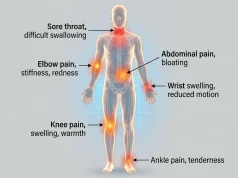


Body Weakness and Dizziness Reasons can range from temporary issues like dehydration, stress, fatigue, and low blood sugar to more serious medical conditions such as anemia, infections, heart problems, or neurological disorders. These symptoms may occur together due to reduced oxygen supply, poor circulation, or imbalances within the body. Identifying the underlying cause through proper medical evaluation is important for effective treatment and long-term health management.
Common body weakness and dizziness reasons include cardiovascular issues like hypotension, neurological disorders such as vertigo, and metabolic disturbances like low blood sugar. Lifestyle factors, including dehydration, poor nutrition, and chronic stress, also trigger these symptoms. Individuals should consult a healthcare provider for a clinical diagnosis if rest and hydration fail to resolve the issue.
Experiencing a sudden loss of balance or a draining sense of physical exhaustion can be incredibly alarming. An individual might stand up from a chair only to feel the room spinning, or they may wake up feeling completely devoid of energy despite a full night of rest. Understanding the prevalence and impact of body weakness and dizziness reasons is crucial because these symptoms affect millions of adults worldwide, often disrupting daily activities, work productivity, and overall quality of life.
Identifying the underlying causes of these symptoms goes far beyond finding temporary relief. Getting to the root cause serves to protect long-term physical health. While brushing off a dizzy spell as a simple case of standing up too fast feels easy, chronic or severe episodes demand proper medical attention. The human body relies on a delicate balance of blood flow, neurological signaling, and nutritional fuel to remain stable and energetic. When one of these critical systems falters, physical stability immediately suffers.
Whether symptoms stem from a hidden medical condition, a subtle nutritional deficiency, or high-stress lifestyle habits, determining the root of the problem allows individuals to take targeted action. This comprehensive guide explores the various body weakness and dizziness reasons, helping readers understand when a simple lifestyle tweak is enough and when professional medical intervention is required.
Common Medical Conditions Causing Body Weakness and Dizziness

The Ways Cardiovascular Issues Like Hypotension Trigger Dizziness
The cardiovascular system is responsible for pumping oxygen-rich blood to the brain and muscles. When this system experiences a disruption, physical weakness and dizziness are often the first noticeable symptoms. Hypotension, or low blood pressure, occurs when blood flow to the brain drops suddenly. Orthostatic hypotension specifically happens when a person stands up quickly, causing a rapid gravitational drop in blood pressure.
Arrhythmias, which are irregular heartbeats, also compromise blood delivery. If the heart beats too slowly (bradycardia) or too quickly (tachycardia), it cannot pump blood efficiently. According to the American Heart Association [AHA, 2023], untreated arrhythmias can lead to fainting spells and chronic fatigue. Choose cardiovascular screening if dizziness is accompanied by chest pain, shortness of breath, or a racing heartbeat.
Neurological Disorders Linked to Vertigo and Weakness
Neurological disorders disrupt the communication between the brain, nerves, and spatial orientation systems. Vertigo remains one of the most prominent body weakness and dizziness reasons. Inner ear problems, such as Benign Paroxysmal Positional Vertigo (BPPV), occur where tiny calcium crystals in the ear become dislodged and send false movement signals to the brain.
Peripheral neuropathy, a condition characterized by nerve damage in the extremities, can also lead to feelings of weakness and instability. This nerve damage causes numbness and a loss of spatial awareness in the feet, making it difficult to maintain balance. Patients dealing with these neurological symptoms often require specialized physical therapy to retrain their balance systems effectively.
The Impact of Metabolic Disturbances Like Hypoglycemia on Energy
Human cells require a constant, stable supply of glucose to function optimally. Hypoglycemia, or abnormally low blood sugar, deprives the brain and muscles of this essential fuel. This metabolic disturbance immediately triggers a stress response, resulting in shakiness, severe weakness, sweating, and intense dizziness.
Electrolyte imbalances also fall under this specific category. Electrolytes like sodium, potassium, and calcium carry electrical charges necessary for muscle contractions and nerve function. When these levels drop due to heavy sweating, illness, or poor diet, muscles lose their ability to fire correctly, resulting in profound physical exhaustion.
Anemia and Nutritional Deficiencies Causing Exhaustion
When the body lacks the essential building blocks for energy production, physical weakness is inevitable. Iron deficiency anemia occurs when an individual does not have enough red blood cells to carry oxygen throughout their body. Without sufficient oxygen, muscles tire quickly, and the brain struggles to maintain focus and balance.
Other vital nutrients, such as Vitamin B12 and Vitamin D, play massive roles in energy metabolism. A lack of these micronutrients slows down cellular energy production, leading to pervasive exhaustion that sleep cannot fix. For more detailed information on how nutrient gaps impact energy levels, review this guide on vitamin deficiency fatigue.
Infections and Chronic Diseases That Drain Physical Strength
Viral and bacterial infections force the immune system to work in overdrive. Illnesses like influenza, COVID-19, or localized infections redirect the body’s energy reserves toward fighting off pathogens, leaving muscles feeling weak and achy.
Chronic diseases, such as fibromyalgia, chronic fatigue syndrome, or autoimmune disorders, maintain the body in a constant state of inflammation. This prolonged immune response drains energy stores rapidly, making chronic illness one of the most persistent body weakness and dizziness reasons.
Lifestyle Factors Contributing to Body Weakness and Dizziness Reasons
The Connection Between Dehydration, Poor Nutrition, and Weakness
Daily habits heavily dictate how much energy the body can sustainably produce. Dehydration reduces overall blood volume, which forces the heart to work much harder to pump blood to the brain. Even a mild drop in hydration levels can cause a noticeable decrease in blood pressure, leading to lightheadedness and poor muscle endurance.
Similarly, relying on heavily processed foods or skipping meals deprives the body of the macronutrients needed for stable energy. Diets high in refined sugars cause rapid spikes and crashes in blood glucose, replicating the dizzying symptoms of clinical hypoglycemia.
Lack of Sleep Leading to Chronic Fatigue
Sleep represents the biological period during which the body repairs tissues, balances hormones, and restores cellular energy. When a person consistently cuts their rest short or suffers from fragmented sleep due to insomnia or sleep apnea, the body accumulates a severe energy debt.
Without adequate deep sleep, the central nervous system becomes highly sensitized, leading to poor coordination, brain fog, and muscle weakness. Individuals finding themselves exhausted despite spending adequate time in bed can learn more by reading about why do I feel tired even after sleeping.
The Role of Chronic Stress and Anxiety in Physical Dizziness
Mental and emotional health are deeply intertwined with physical stability. When experiencing chronic stress, adrenal glands continuously release cortisol and adrenaline. This process keeps the body in a prolonged fight-or-flight state. Over time, maintaining this heightened state of physiological tension exhausts energy reserves.
Anxiety attacks and panic disorders frequently manifest with physical symptoms. Hyperventilation during an anxiety attack alters the balance of oxygen and carbon dioxide in the blood, quickly causing the room to spin and leaving the limbs feeling weak and heavy.
Medication Side Effects Responsible for Sudden Weakness
Many prescription and over-the-counter medications list dizziness and fatigue as primary side effects. Blood pressure medications, sedatives, antidepressants, and muscle relaxants can alter blood flow or depress central nervous system activity. If an individual recently started a new medication and immediately noticed an increase in body weakness and dizziness reasons, reviewing the prescriptions with a pharmacist or prescribing physician is highly recommended.
Diagnostic Approaches and Knowing When to Seek Medical Attention

The Necessity of a Comprehensive Medical History and Physical Examination
Diagnosing the root cause of dizziness requires a holistic look at the patient’s health. A healthcare provider will begin with a comprehensive medical history, evaluating the onset, duration, and specific triggers of symptoms. They will review current medications, lifestyle habits, and family medical history.
During the physical examination, the doctor will check vital signs, test reflexes, and assess cardiovascular health. They may perform the Dix-Hallpike maneuver, a physical test used specifically to diagnose BPPV by observing eye movements when the head is turned in specific ways.
Laboratory Tests and Imaging Used to Diagnose Dizziness
If the physical exam does not reveal an obvious cause, diagnostic testing becomes necessary. Blood tests are standard for identifying anemia, electrolyte imbalances, blood sugar abnormalities, and thyroid dysfunction.
If a neurological issue is suspected, doctors rely on advanced imaging and specialized tests. MRI or CT scans of the brain can rule out tumors, stroke, or multiple sclerosis. To understand more about the procedures used to evaluate nerve and brain function, review the National Institute of Neurological Disorders and Stroke’s guide on neurological diagnostic tests.
Identifying the Right Time for a Specialist Referral
Immediate emergency medical attention is required if dizziness is accompanied by a severe headache, difficulty speaking, chest pain, or sudden numbness on one side of the body, as these are signs of a stroke or heart attack. For chronic, non-emergency cases, a primary care physician will manage the initial diagnosis. However, if symptoms persist, they may refer the patient to an otolaryngologist (ENT) for inner ear issues, a cardiologist for heart-related problems, or a neurologist for nerve and brain disorders.
Best Management and Treatment Strategies for These Symptoms
Addressing Underlying Medical Conditions Effectively
Effective treatment relies entirely on addressing the specific body weakness and dizziness reasons identified during diagnosis. If the cause is cardiovascular, treatments may include adjusting blood pressure medications or installing a pacemaker for severe arrhythmias.
For metabolic issues like iron-deficiency anemia, doctors will prescribe high-dose iron supplements and recommend dietary changes. If an inner ear infection is causing vertigo, a short course of targeted antibiotics or antiviral medications will resolve the underlying inflammation and restore balance.
Lifestyle Modifications and Home Remedies to Improve Stability
When no severe medical illness is present, lifestyle modifications serve as the most effective intervention. Increasing daily water intake, avoiding excessive caffeine and alcohol, and eating small, frequent meals rich in complex carbohydrates and lean proteins can drastically stabilize blood sugar and hydration levels.
When feeling a dizzy spell coming on, sitting or lying down immediately helps prevent falls. Practicing slow, deep diaphragmatic breathing can help regulate oxygen flow and calm the nervous system if the dizziness is driven by anxiety or stress.
Situations Requiring Rehabilitation and Therapeutic Interventions
For individuals suffering from chronic vertigo or neurological balance disorders, vestibular rehabilitation therapy (VRT) is highly recommended. VRT is a specialized form of physical therapy designed to habituate the brain to dizzying movements and improve overall spatial orientation. Choose VRT if dizziness is triggered by head movements and is impacting the ability to walk or drive safely.
Preventing Recurrent Episodes of Weakness and Dizziness
The Importance of Regular Check-Ups for Proactive Health Management
Preventing recurrent episodes requires a proactive approach to physical well-being. Scheduling annual wellness exams allows doctors to monitor blood pressure, test blood sugar, and catch nutritional deficiencies before they develop into severe body weakness and dizziness reasons. Routine blood panels provide a vital baseline for metabolic and cardiovascular health.
Maintaining a Balanced Diet and Hydration to Prevent Fatigue
Human cells require consistent, high-quality fuel. Eating a diet rich in leafy greens, lean proteins, nuts, and whole grains provides the vitamins and minerals necessary for continuous ATP (energy) production. Drinking adequate water throughout the day ensures blood volume remains stable. Individuals struggling to pinpoint low energy despite a seemingly healthy routine can explore hidden constant fatigue causes without illness.
Stress Reduction Techniques Proven to Work
Because chronic tension drains physical energy, managing psychological stress acts as a highly effective preventative measure. Mindfulness meditation, cognitive behavioral therapy (CBT), and regular, moderate aerobic exercise have all been clinically proven to lower resting cortisol levels. By teaching the nervous system to disengage from the fight-or-flight response, individuals preserve the energy needed to keep the body strong and balanced.
Final Thoughts on Managing Body Weakness and Dizziness Reasons
Experiencing chronic tiredness and dizzy spells serves as the body’s way of signaling that a vital system is out of balance. Whether it is a lack of water, a drop in blood pressure, or overwhelming mental stress, ignoring these signs can lead to worsening health outcomes and a higher risk of injury from falls.
Successfully managing body weakness and dizziness reasons requires a holistic approach to health. It involves addressing physical conditions, optimizing diet, and caring for psychological well-being. For broader insights on how psychological resilience impacts physical health, review the World Health Organization’s guidelines on strengthening our mental health response. By listening to the body, consulting healthcare professionals when needed, and making mindful lifestyle choices, individuals can restore stability and reclaim their daily energy.
Frequently Addressed Topics on Recovery and Management

The Expected Timeline for Recovering from Weakness and Dizziness
The timeline for recovery depends entirely on the root cause. Dehydration or low blood sugar can be resolved in a matter of minutes to hours with water and food. However, recovering from anemia, a viral infection, or a neurological disorder may take several weeks to months of targeted medical treatment.
Typical Costs Associated with Vestibular Rehabilitation Therapy
The cost of vestibular rehabilitation therapy varies based on location and health insurance coverage. On average, an out-of-pocket session can range from $75 to $150. Many health insurance plans cover VRT when it is prescribed by a physician to treat diagnosed balance disorders.
Risks of Ignoring Chronic Dizziness Symptoms
Ignoring chronic dizziness significantly increases the risk of severe injuries from falls, which can lead to fractures or traumatic brain injuries. Additionally, untreated dizziness may be a symptom of a worsening cardiovascular issue, such as an undetected arrhythmia, which carries a risk of heart failure or stroke.
Alternatives to Medication for Managing Anxiety-Induced Dizziness
For those preferring not to use prescription medications, effective alternatives for managing anxiety-induced dizziness include Cognitive Behavioral Therapy (CBT), somatic experiencing therapy, and consistent breathwork practices. Regular aerobic exercise and limiting caffeine intake also play major roles in naturally reducing anxiety symptoms.
Individuals Most at Risk for Orthostatic Hypotension
Older adults are at the highest risk for orthostatic hypotension due to age-related changes in cardiovascular responsiveness. Additionally, individuals taking high doses of blood pressure medications, people suffering from chronic dehydration, and patients with nervous system disorders like Parkinson’s disease frequently experience this condition.
Conclusion
Body Weakness and Dizziness Reasons can range from mild, temporary problems such as dehydration, fatigue, poor sleep, or stress to more serious health conditions including anemia, low blood pressure, infections, or neurological disorders. Understanding Body Weakness and Dizziness Reasons is important for identifying the underlying cause and receiving proper treatment. If symptoms become frequent, severe, or interfere with daily activities, seeking medical evaluation is essential. With early diagnosis, healthy lifestyle habits, and appropriate care, many causes of weakness and dizziness can be effectively managed and prevented.
FAQ
1. What are the most common Body Weakness and Dizziness Reasons?
Common Body Weakness and Dizziness Reasons include dehydration, anemia, low blood sugar, fatigue, stress, poor sleep, infections, and low blood pressure.
2. Can anemia cause Body Weakness and Dizziness Reasons?
Yes, anemia is one of the leading Body Weakness and Dizziness Reasons because reduced hemoglobin limits oxygen delivery to the body, causing tiredness and lightheadedness.
3. Are Body Weakness and Dizziness Reasons always serious?
No, sometimes they result from temporary issues like hunger, stress, or dehydration. However, persistent symptoms may signal an underlying health condition.
4. Can dehydration lead to Body Weakness and Dizziness Reasons?
Yes, dehydration reduces blood volume and circulation, often causing weakness, dizziness, headaches, and fatigue.
5. How are Body Weakness and Dizziness Reasons diagnosed?
Doctors may use physical exams, blood tests, blood pressure checks, and medical history to identify the cause of symptoms.
6. Can stress and anxiety cause Body Weakness and Dizziness Reasons?
Yes, stress and anxiety can affect breathing, blood pressure, and energy levels, contributing to weakness and dizziness.
7. What lifestyle changes help reduce Body Weakness and Dizziness Reasons?
Drinking enough water, eating balanced meals, getting quality sleep, reducing stress, and exercising regularly may help improve symptoms.
8. When should I see a doctor for Body Weakness and Dizziness Reasons?
You should seek medical attention if symptoms are severe, frequent, worsen over time, or occur with chest pain, fainting, or breathing difficulty.
9. Can low blood sugar trigger Body Weakness and Dizziness Reasons?
Yes, low blood sugar can reduce energy supply to the brain and body, causing shakiness, dizziness, weakness, and confusion.
10. Can Body Weakness and Dizziness Reasons be prevented?
In many cases, yes. Healthy eating, hydration, regular medical checkups, stress management, and proper sleep can help prevent common causes.