

Many diseases that show no symptoms early can progress silently for years before causing noticeable health problems. Understanding these hidden conditions, recognizing risk factors, and prioritizing regular health screenings can help detect disease early, improve treatment outcomes, and protect long-term well-being.
Many serious Diseases That Show No Symptoms Early—including hypertension, type 2 diabetes, glaucoma, and several cancers—progress silently for years before causing detectable harm. Regular screening, routine blood work, and awareness of subtle warning signs are the most effective tools for catching these conditions before they become life-threatening.
You feel fine. Your energy is decent, your weight is stable, and you haven’t needed a doctor in years. So everything must be okay, right? Not necessarily. Some of the most dangerous medical conditions in the world develop quietly, without pain, fatigue, or any signal that something is wrong. By the time symptoms appear, meaningful damage has already been done. Many of these are classified as Diseases That Show No Symptoms Early, making routine health monitoring especially important.
Diseases That Show No Symptoms Early are sometimes called “silent diseases” or “asymptomatic conditions.” They are particularly dangerous because the absence of discomfort creates a false sense of security. Millions of people are living with high blood pressure, early-stage diabetes, bone loss, or even cancer without knowing it—simply because their body hasn’t raised an alarm yet.
This guide walks through the major Diseases That Show No Symptoms Early, explains what is happening inside the body during that quiet period, and outlines what you can do to detect them before they cause lasting harm. Understanding these diseases could be one of the most important health decisions you make.
What Makes a Disease “Asymptomatic” in Its Early Stages?
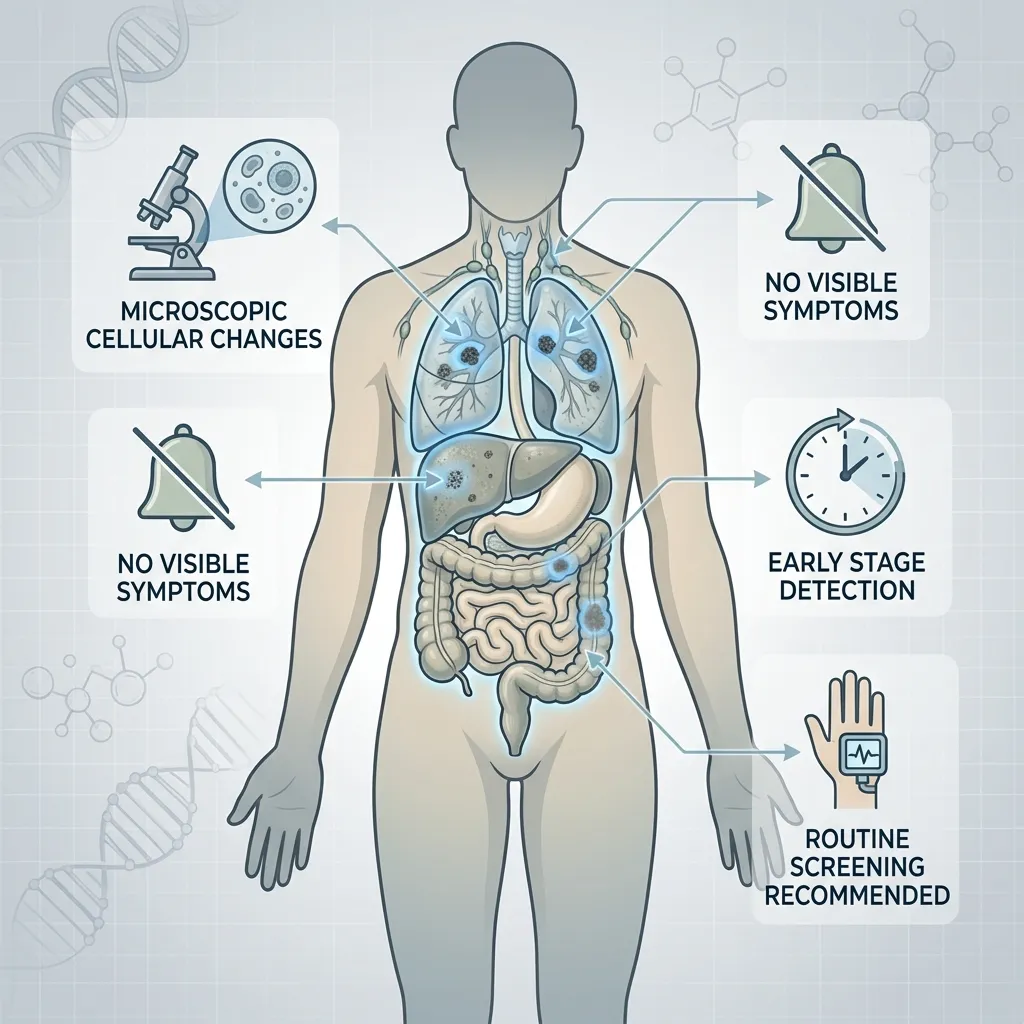
A disease is considered asymptomatic when it causes measurable biological changes—cell damage, pressure buildup, plaque formation, insulin resistance—without triggering the pain, discomfort, or functional loss that normally prompts someone to seek care.
Several biological mechanisms drive this silence. Some conditions damage tissue gradually, at a rate so slow the body compensates without complaint. Others cause organ damage in areas with few nerve endings, meaning pain signals never fire. Some diseases impair the very system responsible for recognizing illness—making them particularly insidious.
Early detection matters enormously for these conditions. Catching a silent disease before it becomes symptomatic often means the difference between a manageable treatment plan and an irreversible complication. The tools available—routine blood tests, imaging, and regular physical exams—are far more effective than waiting for symptoms to appear.
Understanding Diseases That Show No Symptoms Early is essential for recognizing why these conditions often go unnoticed until they reach an advanced stage. By learning how they develop silently in the body, individuals can take proactive steps toward screening and prevention, even in the absence of symptoms.
Cardiovascular Culprits: Silent Heart Conditions
Hypertension: Why Is High Blood Pressure Called the “Silent Killer”?
Hypertension is the textbook example of a disease that shows no symptoms early. Blood pressure can remain dangerously elevated for years—even decades—while the heart, kidneys, and arteries absorb the strain silently. According to the World Health Organization, approximately 1.28 billion adults worldwide have hypertension, and nearly half of them are unaware of their condition.
The damage accumulates quietly. Chronically high pressure thickens artery walls, strains the heart muscle, and accelerates kidney decline. The first sign for some people is a heart attack or stroke—events that could have been prevented with a simple blood pressure cuff and appropriate management. Regular check-ups are the only reliable way to catch hypertension early. For those already managing elevated readings, The Clinical Channel’s hypertension management home guide offers practical strategies for controlling blood pressure between medical visits.
Atherosclerosis: How Does Arterial Plaque Build Without Warning?
Atherosclerosis—the gradual hardening and narrowing of the arteries due to plaque buildup—begins surprisingly early in life and progresses without symptoms for decades. Fatty deposits accumulate along artery walls, slowly reducing blood flow to the heart, brain, and limbs. No pain. No warning. Just a narrowing passage.
The danger lies in what comes next. A plaque rupture can trigger a blood clot that blocks an artery entirely, causing a heart attack or stroke in seconds. Many people receive their first diagnosis of atherosclerosis in the emergency room. Lifestyle factors—diet, exercise, smoking, and cholesterol levels—directly influence how quickly this process unfolds.
High Cholesterol: A Symptomless Precursor to Cardiovascular Disease
High cholesterol causes no physical sensation whatsoever. You cannot feel it. There is no pain, no fatigue, no detectable sign. Yet elevated LDL cholesterol is a direct driver of atherosclerosis and a major risk factor for heart disease and stroke.
Diet plays a central role. Foods high in saturated fat, trans fats, and refined carbohydrates raise LDL levels, while fiber, plant sterols, and regular exercise help lower them. A lipid panel blood test—available through any routine health check—reveals your numbers in minutes. For a comprehensive look at managing cholesterol without medication, The Clinical Channel’s high cholesterol home management guide covers evidence-based dietary and lifestyle approaches.
Metabolic Maladies: Undetected Internal Disruptions
How Does Type 2 Diabetes Develop Without Early Warning Signs?
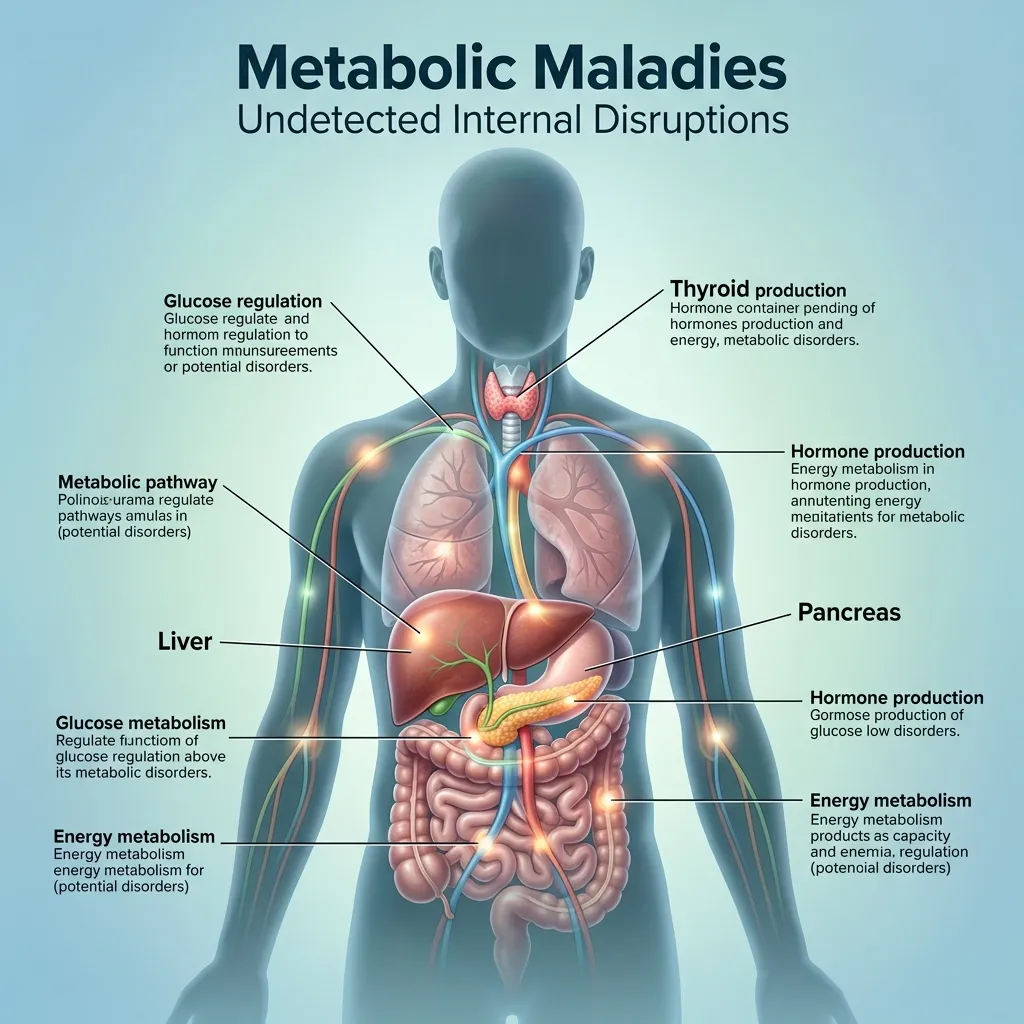
Type 2 diabetes develops through a gradual process of insulin resistance. For years, the pancreas compensates by producing more insulin, keeping blood sugar within range—or just slightly elevated. During this prediabetic period, most people feel completely normal. No thirst, no frequent urination, no fatigue. Just silent metabolic dysfunction.
Left unmanaged, the consequences are severe: nerve damage, kidney disease, vision loss, cardiovascular disease, and slow wound healing. The Centers for Disease Control and Prevention (CDC) estimates that 96 million American adults have prediabetes, and more than 80% of them don’t know it. Fasting blood glucose and HbA1c tests can identify the problem long before full diabetes develops. The Clinical Channel’s type 2 diabetes management home guide provides actionable steps for those already managing the condition or seeking to prevent its progression.
Osteoporosis: How Does Bone Loss Happen Without Any Pain?
Osteoporosis earns its nickname—”the silent thief”—by removing bone density slowly, without discomfort, until a fracture occurs. Bone is living tissue that constantly rebuilds itself. Osteoporosis occurs when bone breakdown outpaces bone formation, often for years, without any physical signal.
The consequence is a skeleton that looks normal from the outside but fractures under forces that healthy bone would withstand. A fall that would leave a younger person with a bruise can cause a hip fracture in someone with advanced osteoporosis. Women over 50 and men over 70 are most at risk, though the process often begins in midlife. A bone density scan (DEXA scan) can detect the problem years before fractures occur.
Non-Alcoholic Fatty Liver Disease: Fat in the Liver With No Symptoms
Non-alcoholic fatty liver disease (NAFLD) affects roughly 25% of the global population, according to the World Journal of Gastroenterology. It involves excess fat accumulating in liver cells, often in people with obesity, type 2 diabetes, or metabolic syndrome. In most cases, it causes no symptoms at all. No pain, no jaundice, no fatigue—at least not initially.
Without intervention, NAFLD can progress to non-alcoholic steatohepatitis (NASH), a more serious form of liver inflammation, and eventually to cirrhosis or liver failure. Blood tests showing elevated liver enzymes are often the first clue. Reducing sugar intake, losing weight, and increasing physical activity are the primary treatments at early stages.
Cancer’s Covert Beginnings
Which Cancers Are Most Likely to Show No Symptoms Early?
Cancer is perhaps the most feared of all diseases that show no symptoms early, and for good reason. Many cancers grow silently for years before reaching a size or location that produces detectable symptoms.
Ovarian cancer is notoriously difficult to detect in early stages. Its vague, intermittent symptoms—mild bloating, pelvic discomfort—are easy to dismiss. By the time most cases are diagnosed, the cancer has already spread. Pancreatic cancer follows a similar pattern. The pancreas is located deep in the abdomen, surrounded by other organs, meaning tumors can grow significantly before causing pain or jaundice. Survival rates for both cancers drop sharply with late-stage diagnosis.
Early-stage colorectal cancer frequently produces no symptoms at all. Colonoscopy screening remains one of the most powerful tools in medicine specifically because it can detect and remove precancerous polyps before cancer develops. The United States Preventive Services Task Force (USPSTF) recommends colorectal cancer screening beginning at age 45 for average-risk adults.
Lung cancer, the leading cause of cancer death in the United States, often shows no symptoms until it has spread to lymph nodes or other organs. Annual low-dose CT scanning is now recommended for adults aged 50–80 with a significant smoking history.
Screening programs save lives precisely because they catch diseases that show no symptoms early—before the window for effective treatment closes.
Neurological Nuances: Hidden Brain Health Issues

How Does Early-Stage Alzheimer’s Disease Differ From Normal Aging?
Early Alzheimer’s disease is one of the most difficult diseases that show no symptoms early to distinguish from normal aging. The earliest changes—subtle difficulty finding words, slight memory lapses, minor challenges with complex tasks—can be dismissed as normal aging or stress for years.
Underneath, amyloid plaques and tau tangles accumulate in the brain long before clinical dementia develops. Research suggests these changes begin 15 to 20 years before a formal diagnosis. The line between early Alzheimer’s and other causes of cognitive difficulty can be particularly hard to draw. Conditions like nutritional deficiencies and stress-related mental fog can mimic early neurological decline. The brain fog vitamin deficiency link explains how low B12, vitamin D, and folate can produce cognitive symptoms that resemble early dementia—and are entirely reversible with treatment. Similarly, mental fog after stress and anxiety can cloud thinking in ways that overlap with early neurological changes.
If cognitive symptoms persist despite addressing sleep, nutrition, and stress, a thorough neurological evaluation—including cognitive testing and brain imaging—is warranted.
Glaucoma: How Does “The Silent Thief of Sight” Cause Vision Loss Unnoticed?
Glaucoma damages the optic nerve gradually, usually due to elevated pressure inside the eye. The peripheral vision goes first—so slowly, and in regions the brain compensates for so effectively, that most people notice nothing until significant vision loss has already occurred. By then, the damage is permanent.
Open-angle glaucoma, the most common type, produces no pain and no visible changes until late stages. It is the leading cause of irreversible blindness worldwide. The only way to catch it early is through a comprehensive eye exam that measures intraocular pressure and examines the optic nerve. The American Academy of Ophthalmology recommends a baseline eye examination by age 40 and regular follow-ups thereafter.
Autoimmune and Chronic Conditions With Quiet Starts
How Does Early Rheumatoid Arthritis Present Without Obvious Inflammation?
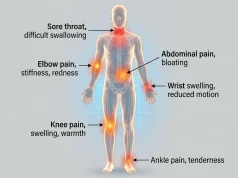
Rheumatoid arthritis (RA) is an autoimmune disease that attacks the joints. Before the swelling, stiffness, and pain of full-blown RA appear, many patients experience vague, easy-to-dismiss symptoms: mild morning stiffness lasting 20 to 30 minutes, occasional fatigue, or slight discomfort in the small joints of the hands and feet.
During this pre-inflammatory phase, the immune system is already generating autoantibodies—including rheumatoid factor and anti-CCP antibodies—that can be detected through blood tests. Early detection and treatment significantly reduce long-term joint destruction and disability. Rheumatologists can now intervene during early disease stages before irreversible joint damage occurs.
Why Does Chronic Kidney Disease Produce No Symptoms Until Late Stages?
Chronic kidney disease (CKD) is one of the clearest examples of how the body compensates silently. The kidneys have enormous reserve capacity. They can lose more than 50% of their function before blood markers rise to detectable levels, and they can lose up to 70–80% before symptoms like fatigue, swelling, and shortness of breath appear.
The World Health Organization estimates CKD affects approximately 10% of the global population. Risk factors include diabetes, hypertension, obesity, and a family history of kidney disease—all of which are common. Simple blood and urine tests (serum creatinine, eGFR, urine albumin) can identify declining kidney function years before symptoms develop, and early intervention can slow or halt progression significantly.
The Psychological Toll: Living With Silent or Chronic Illness

How Does Mental Health Intersect With Thalassemia and Other Chronic Conditions?
Receiving a diagnosis of a silent or chronic disease brings its own psychological burden. Thalassemia—an inherited blood disorder affecting hemoglobin production—is often detected in early childhood or through routine screening. For many patients, living with a condition that requires ongoing management, regular transfusions, and lifelong medical monitoring creates significant emotional strain.
Mental health and thalassemia are deeply connected. Research consistently shows elevated rates of anxiety, depression, and social isolation among thalassemia patients, particularly adolescents and young adults. The uncertainty of managing a chronic illness, the physical demands of treatment, and the fear of complications all contribute to psychological distress. Emotional support for thalassemia patients—through counseling, peer support groups, and family education—is an essential component of comprehensive care, not a secondary concern.
Coping with thalassemia requires more than medical management. Patients benefit from access to mental health professionals who understand chronic illness, connections with others navigating the same experience, and open communication with their care team about emotional wellbeing alongside physical health. Organizations such as the Thalassemia International Federation provide patient resources, advocacy, and support networks that help individuals and families manage the full spectrum of living with this condition.
The silent psychological burden extends beyond thalassemia to many chronic diseases. Difficulty concentrating, memory lapses, and mental fog—often dismissed as stress—can be early signals that deserve medical evaluation. Our guide on difficulty concentrating medical reasons outlines the most common medical causes of poor focus and when to seek professional assessment.
Early Detection Is Your Most Powerful Tool
The diseases covered in this guide share a defining characteristic: they cause real, measurable harm before they cause noticeable discomfort. That gap—between biological damage and felt symptoms—is where early detection lives.
Routine health screenings are not optional extras for people who feel unwell. They are precisely for people who feel fine. A standard annual check-up with blood pressure measurement, a lipid panel, fasting glucose, kidney function tests, and a full blood count costs relatively little and can identify the majority of silent conditions covered here.
Know your numbers. Attend recommended screenings for your age group. Take cognitive symptoms—brain fog, poor concentration, memory lapses—seriously rather than attributing them automatically to stress or aging. And if you are managing a chronic illness, prioritize your mental health alongside your physical care.
The goal is not to live in fear of invisible threats. The goal is to remove the invisibility.
Conclusion
Diseases that show no symptoms early present a unique challenge because significant damage can occur before warning signs appear. Conditions such as high blood pressure, diabetes, chronic kidney disease, osteoporosis, and certain cancers often develop quietly, making regular screenings and preventive healthcare essential. By staying informed, adopting healthy lifestyle habits, and attending routine medical checkups, individuals can identify potential health issues sooner and reduce the risk of serious complications. Early detection remains one of the most effective tools for maintaining good health and improving long-term outcomes.
Frequently Asked Questions
1. What are the most common diseases that show no symptoms early?
Common diseases that show no symptoms early include high blood pressure, type 2 diabetes, high cholesterol, chronic kidney disease, osteoporosis, and certain cancers. These conditions can progress silently for years. Regular health screenings are often the only way to detect them early, which is why understanding Diseases That Show No Symptoms Early is important for prevention.
2. How can I detect a silent disease if I have no symptoms?
Routine medical checkups are the most effective way to identify diseases that show no symptoms early. Blood tests, blood pressure checks, eye exams, and cancer screenings can reveal hidden health issues. Awareness of Diseases That Show No Symptoms Early encourages people to prioritize preventive health care.
3. Why do some diseases not cause symptoms in their early stages?
Many diseases develop slowly and allow the body to compensate for changes over time. Some affected organs have few pain receptors, making damage difficult to notice. Symptoms often appear only after significant progression has occurred, which is why Diseases That Show No Symptoms Early often go undetected.
4. At what age should I start screening for diseases that show no symptoms early?
Screening recommendations depend on age, family history, and individual risk factors. Blood pressure and cholesterol checks should begin in early adulthood, while some cancer screenings start later. Knowing about Diseases That Show No Symptoms Early helps guide timely screening decisions.
5. Is mental fog a symptom of a silent disease?
Mental fog can sometimes be linked to underlying conditions such as anemia, thyroid disorders, vitamin deficiencies, or kidney disease. Persistent cognitive difficulties should not be ignored. Many Diseases That Show No Symptoms Early can present subtle early signs like this.
6. What is the connection between mental health and thalassemia?
Mental health and thalassemia are closely connected because living with a chronic condition can create emotional stress and anxiety. Many patients benefit from counseling, support groups, and family support. Addressing emotional well-being is part of comprehensive care alongside understanding Diseases That Show No Symptoms Early in broader health awareness.
7. Can lifestyle changes reverse diseases caught early?
Yes, some conditions can improve significantly when detected early. Healthy eating, regular exercise, stress management, and weight control may reverse or slow diseases such as prediabetes and fatty liver disease. Early awareness of Diseases That Show No Symptoms Early increases the effectiveness of lifestyle changes.
8. How does stress contribute to diseases that show no symptoms early?
Chronic stress can increase inflammation, raise blood pressure, and negatively affect blood sugar regulation. These effects may worsen silent diseases over time. Managing stress is an important part of preventing Diseases That Show No Symptoms Early from progressing.
9. What role does diet play in silent diseases?
Diet strongly influences many diseases that show no symptoms early, including diabetes, heart disease, and fatty liver disease. A balanced diet supports overall health and reduces risk. Good nutrition is a key defense against Diseases That Show No Symptoms Early and related complications.
10. When should I seek medical advice for symptoms that might indicate a silent disease?
Seek medical attention if you notice persistent fatigue, unexplained weight changes, vision problems, frequent urination, or unusual discomfort. Even mild symptoms may indicate an underlying condition. Early evaluation is essential for detecting Diseases That Show No Symptoms Early before complications develop.