

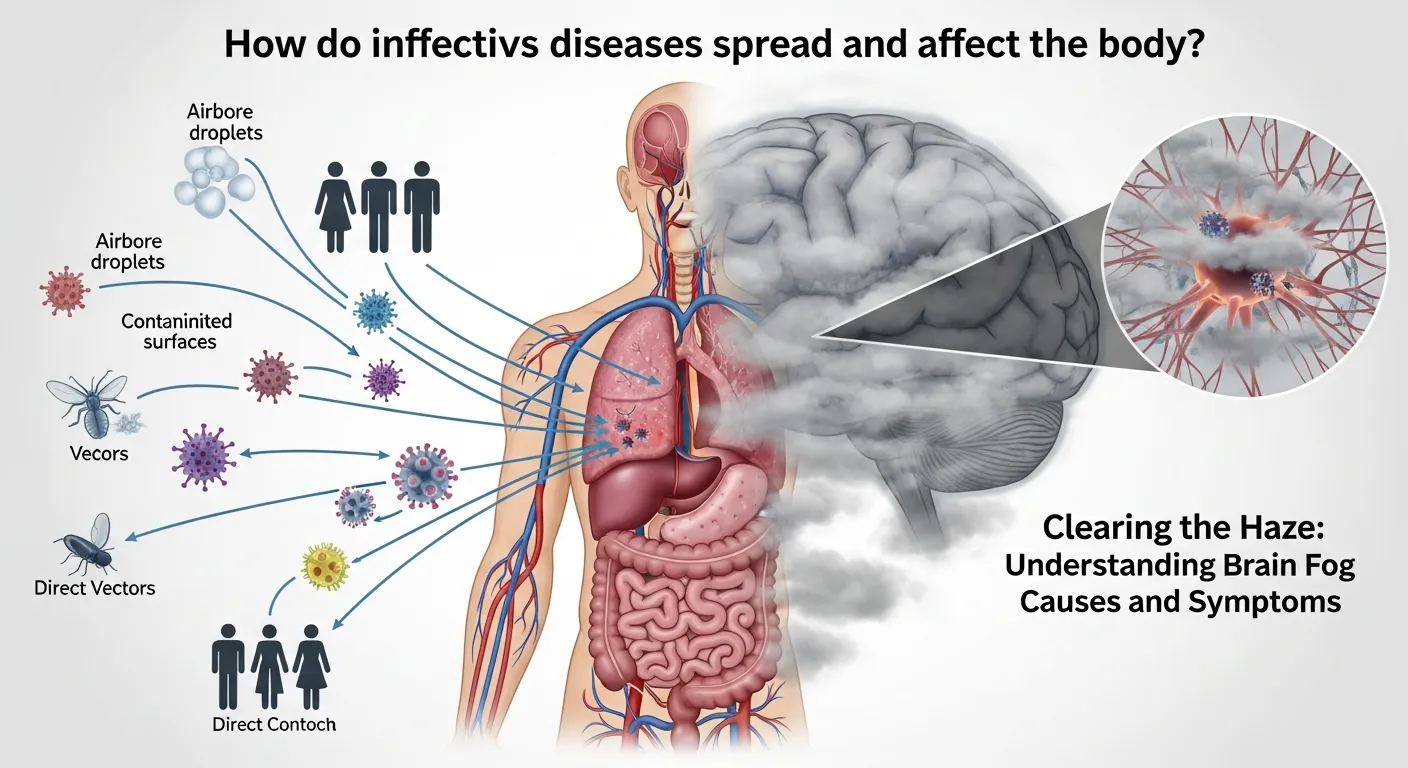
Brain fog causes and symptoms include mental fatigue, poor concentration, memory issues, stress, sleep problems, and nutritional deficiencies. Understanding these factors helps identify underlying health conditions early and supports better cognitive function, focus, and overall mental clarity.
Brain fog causes and symptoms stem from a combination of lifestyle choices, medical conditions, and nutritional gaps. Common triggers include chronic stress, sleep deprivation, hormonal imbalances, and vitamin deficiencies. Symptoms manifest as memory lapses, poor concentration, mental fatigue, and emotional irritability. Treating the root cause through diet, sleep hygiene, and medical intervention typically restores cognitive clarity.
Many people wake up feeling as though a thick cloud has settled over their thoughts. This cognitive sluggishness makes it difficult to focus on work, recall simple words, or process new information. While not a recognized medical condition in itself, brain fog is a severe symptom of underlying physical or mental imbalances.
Understanding brain fog causes and symptoms requires a careful look at your daily habits and overall health. Millions of adults experience this mental exhaustion regularly. It disrupts productivity, damages relationships, and creates immense frustration. You might find yourself staring at a computer screen unable to form a coherent sentence, or walking into a room and instantly forgetting why you went there.
Fortunately, this condition is highly treatable once you identify the source. By analyzing your lifestyle, diet, and medical history, you can pinpoint exactly what is draining your mental energy. This comprehensive guide will explore the various brain fog causes and symptoms, providing actionable strategies to help you restore your focus, memory, and cognitive vitality.
What are the most common brain fog causes and symptoms?
 The origins of cognitive impairment vary widely from person to person. Identifying the specific triggers affecting your brain requires examining four primary categories of health.
How do lifestyle factors like sleep and stress cause brain fog?
Your daily routines dictate how efficiently your brain operates. Sleep deprivation is the leading lifestyle trigger for cognitive impairment. According to the Centers for Disease Control and Prevention (CDC, 2022), adults require seven to nine hours of quality sleep for optimal brain function. When you fail to get enough deep sleep, your brain cannot clear out metabolic waste or consolidate memories. If you frequently ask yourself why do I feel tired even after sleeping, fragmented sleep cycles are likely to blame.
Chronic stress also heavily impacts brain fog causes and symptoms. High cortisol levels from prolonged anxiety disrupt the hippocampus, the area of the brain responsible for memory and learning. Furthermore, diets high in refined sugars and a lack of cardiovascular exercise slow down blood flow to the brain, directly depriving it of oxygen and essential nutrients.
Which medical conditions trigger brain fog causes and symptoms?
Numerous chronic illnesses list cognitive dysfunction as a primary side effect. Chronic fatigue syndrome and fibromyalgia are notorious for causing a specific type of mental exhaustion known as “fibro fog.” Autoimmune diseases like lupus and multiple sclerosis cause systemic inflammation that crosses the blood-brain barrier, slowing down neural processing speeds.
Hormonal imbalances also play a massive role. Thyroid dysfunction, particularly hypothyroidism, slows metabolic processes throughout the entire body, including the brain. Fluctuations in estrogen and progesterone during menopause frequently cause severe memory lapses and poor concentration.
Can nutritional deficiencies cause brain fog?
Your brain requires specific vitamins to synthesize neurotransmitters and produce cellular energy. Nutritional gaps directly contribute to brain fog causes and symptoms. A lack of Vitamin B12, Vitamin D, and Omega-3 fatty acids will quickly degrade your mental sharpness.
Vitamin B12 is essential for nerve function. Without it, the protective coating around your nerves begins to deteriorate. You can learn more about how nutrient gaps impact energy and cognition by reviewing the signs of vitamin deficiency fatigue. Choose dietary modifications over supplements if your deficiency is mild, but consult a doctor for severe gaps.
Do prescription medications cause cognitive side effects?
Many common medications list cognitive sluggishness as a side effect. Antihistamines, sleep aids, antidepressants, and blood pressure medications can interfere with neurotransmitter activity. If you recently started a new prescription and immediately noticed an increase in brain fog causes and symptoms, the drug itself might be the culprit. Never stop taking a prescribed medication without consulting your prescribing physician.
How can you recognize brain fog symptoms?
Recognizing the specific symptoms of brain fog helps you differentiate it from normal tiredness. The indicators typically fall into three distinct categories:
- Cognitive indicators: You may struggle to hold a train of thought, easily lose your focus during conversations, or experience poor short-term memory. Reading a single page of text multiple times without absorbing the information is a classic cognitive symptom.
- Emotional indicators: Cognitive exhaustion drastically lowers your emotional resilience. You might feel irritable, apathetic, or mildly depressed. The frustration of dealing with brain fog causes and symptoms often triggers secondary anxiety.
- Physical indicators: Mental haze rarely occurs in isolation. It is frequently accompanied by tension headaches, heavy eyes, physical lethargy, and a general lack of stamina.
When should you seek a diagnosis for brain fog causes and symptoms?
Occasional mental tiredness after a stressful week is normal. However, if your cognitive issues persist for more than two weeks, interfere with your job performance, or accompany physical weakness, you need professional medical evaluation.
A healthcare provider will review your medical history and conduct blood tests to rule out anemia, thyroid dysfunction, and vitamin deficiencies. If you want to prepare for your doctor’s appointment effectively, utilize a chronic tiredness medical causes checklist to track your symptoms accurately. In some cases, your doctor may refer you to a neurologist or sleep specialist for advanced diagnostic testing.
What are the best strategies for managing and preventing brain fog?
 Treating cognitive dysfunction requires a multi-faceted approach. By addressing the root causes, you can gradually restore your mental sharpness.
How do lifestyle adjustments improve mental clarity?
Improving your daily habits is the most effective way to eliminate brain fog causes and symptoms. Prioritize sleep hygiene by maintaining a consistent bedtime, reducing blue light exposure from screens, and keeping your bedroom cool and dark.
Stress management is equally important. Engage in daily mindfulness practices, deep breathing exercises, or yoga to lower your resting cortisol levels. Regular aerobic exercise increases blood circulation to the brain, stimulating the growth of new neural connections. For a deeper look at hidden lifestyle triggers, explore these constant fatigue causes without illness.
Which dietary changes combat brain fog?
Your brain runs on the fuel you provide. Switch to an anti-inflammatory diet rich in whole foods, leafy greens, and lean proteins. Antioxidant-rich foods like blueberries and dark chocolate protect brain cells from oxidative stress.
Hydration is critical. The human brain is composed of roughly 73% water. Even mild dehydration shrinks brain tissue volume and drastically reduces concentration. Aim to drink at least eight large glasses of water daily, reducing your intake of excess caffeine and alcohol, which can lead to further dehydration.
What supplements help improve brain function?
If your diet lacks specific nutrients, supplementation can bridge the gap. Omega-3 fatty acids, commonly found in fish oil supplements, reduce brain inflammation and support structural cell health. Magnesium glycinate helps regulate the nervous system and improves sleep quality. Choose a high-quality Vitamin B-complex supplement if your blood tests indicate a deficiency. Always consult a healthcare professional before adding new supplements to your routine.
When are medical interventions necessary for brain fog?
If a diagnosed medical condition is driving your cognitive issues, treating that underlying illness is paramount. This might involve hormone replacement therapy for menopause, levothyroxine for an underactive thyroid, or specific immune-modulating drugs for autoimmune disorders. According to the World Health Organization (WHO), addressing comorbid mental health conditions like clinical depression through cognitive behavioral therapy (CBT) or medication also significantly alleviates brain fog.
What is the link between brain fog and other chronic conditions?
Cognitive dysfunction often acts as an early warning sign of deeper systemic health issues. Since the brain is highly energy-dependent, it is usually one of the first organs to show signs of imbalance when the body’s metabolism, oxygen supply, or nutrient levels are disrupted. This is why persistent brain fog causes and symptoms are frequently associated with chronic conditions rather than isolated cognitive problems.
There is a strong connection between brain function and overall physical health, especially gut health, hormonal balance, and immune system activity. The gut microbiome plays a major role in producing neurotransmitters like serotonin, which directly influence mood, focus, and mental clarity. Chronic digestive conditions such as irritable bowel syndrome, celiac disease, or inflammatory bowel disease can trigger ongoing inflammation, which may disrupt brain signaling and worsen cognitive performance.
Similarly, chronic illnesses like diabetes, thyroid disorders, anemia, and cardiovascular disease can reduce oxygen delivery and energy supply to the brain. These conditions often lead to fatigue, slowed thinking, memory problems, and difficulty concentrating. Mental health disorders such as depression and anxiety also overlap with brain fog, creating a cycle where emotional stress further intensifies cognitive symptoms.
Understanding these connections allows healthcare providers to move beyond symptom-based treatment and focus on identifying root causes. Addressing underlying chronic diseases can significantly reduce long-term brain fog and improve overall quality of life.
Reclaiming Your Mental Clarity
 Experiencing constant cognitive sluggishness can feel frustrating and isolating, but it is important to recognize that brain fog causes and symptoms are not something you simply have to accept. In many cases, they are signals from your body indicating that something needs attention—whether it relates to sleep quality, nutrition, stress levels, or an underlying medical condition.
Taking a proactive approach to cognitive health starts with simple but consistent lifestyle improvements. Prioritizing deep, restorative sleep, maintaining stable blood sugar through balanced meals, staying properly hydrated, and engaging in regular physical activity can all significantly improve mental clarity. Reducing stress through mindfulness practices or relaxation techniques can also help stabilize brain function over time.
It is also important to monitor your symptoms carefully. Tracking when brain fog occurs, what triggers it, and how long it lasts can help identify patterns that may be linked to diet, stress, or environmental factors. If symptoms persist or worsen despite lifestyle changes, consulting a healthcare professional is essential to rule out underlying conditions.
By addressing both lifestyle and medical factors, you can gradually reduce cognitive haze, restore focus, and regain mental energy for daily life.
Conclusion
Brain fog causes and symptoms can vary widely, but they often signal underlying issues such as stress, poor sleep, nutritional deficiencies, dehydration, or mental health conditions. While brain fog is not a disease itself, it is an important warning sign that should not be ignored. Identifying and addressing the root causes early can significantly improve cognitive function, focus, and overall mental clarity. Adopting a healthy lifestyle that includes proper sleep, balanced nutrition, regular exercise, and stress management plays a key role in restoring optimal brain health and preventing recurring symptoms.
Frequently Asked Questions (FAQ)
1. What exactly is brain fog?
Brain fog is not a medical diagnosis, but rather a term used to describe a set of symptoms including poor concentration, memory lapses, confusion, and a lack of mental clarity.
2. Can anxiety and stress cause brain fog?
Yes. Chronic anxiety keeps the nervous system in a prolonged state of fight-or-flight, elevating cortisol levels and exhausting the brain’s cognitive reserves over time.
3. How do I know if my brain fog is from a vitamin deficiency?
A blood test administered by a healthcare provider can confirm if you lack essential nutrients like Vitamin B12, Vitamin D, or iron, all of which directly impact cognitive function and energy levels.
4. Does dehydration affect brain function?
Absolutely. Even a 2% drop in bodily hydration levels can cause noticeable deficits in attention, memory, and executive brain function.
5. When should I see a doctor for brain fog causes and symptoms?
You should consult a doctor if your cognitive symptoms persist for more than a few weeks, worsen over time, or are accompanied by physical symptoms like chronic fatigue, weakness, or unexplained weight changes.
6. Can poor sleep cause brain fog?
Yes. Inadequate or poor-quality sleep disrupts brain restoration processes, leading to reduced focus, memory problems, and slower thinking the next day.
7. Can diet affect brain fog symptoms?
Yes. Diets lacking essential nutrients such as omega-3 fatty acids, vitamins, and minerals can negatively impact brain function and contribute to persistent brain fog symptoms.
8. Can medications cause brain fog?
Certain medications, including antihistamines, antidepressants, and sleep aids, may cause temporary cognitive side effects such as drowsiness and reduced mental clarity.
9. Is brain fog linked to mental health conditions?
Yes. Conditions like depression, anxiety, and chronic stress are commonly associated with brain fog due to their impact on attention, motivation, and cognitive processing.
10. Can exercise help reduce brain fog?
Regular physical activity improves blood flow to the brain, supports neurotransmitter balance, and can significantly reduce brain fog causes and symptoms over time.