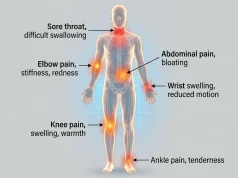


Gut health imbalance occurs when gut bacteria are disrupted, leading to bloating, fatigue, and digestive issues. It can affect immunity and nutrient absorption, but a balanced diet, hydration, and healthy lifestyle help restore gut microbiome balance.
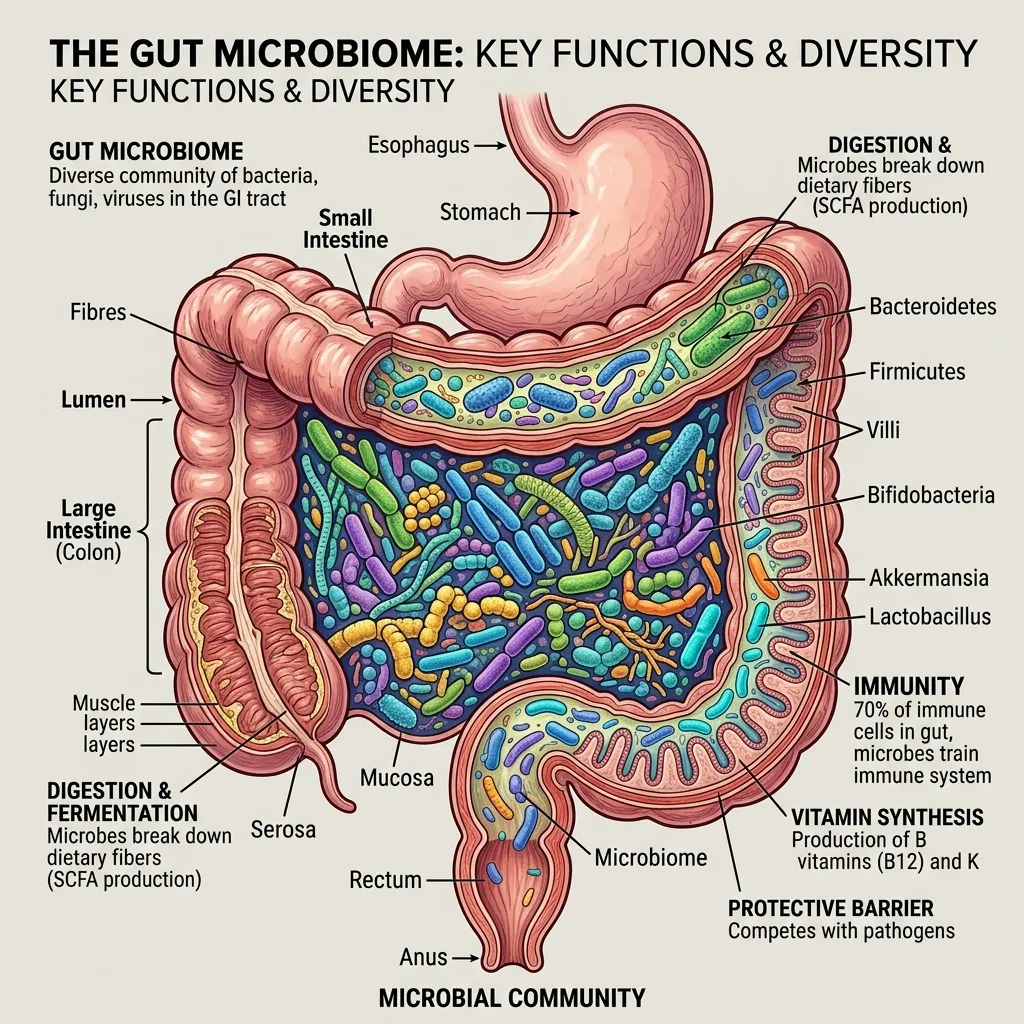 The gut microbiome is the vast community of bacteria, fungi, viruses, and other microorganisms that live in your digestive tract. An estimated 100 trillion microbes reside in your intestines, and their combined genetic material outnumbers your own by a wide margin. This internal ecosystem is unique to each person, shaped by genetics, diet, environment, and lifestyle.
These microbes are not passive passengers. They perform essential work that keeps your body running smoothly. A balanced gut microbiome supports digestion, helps absorb nutrients, produces vitamins, and trains your immune system to fight harmful invaders.
How the gut microbiome supports digestion and immunity
The bacteria in your gut break down fibers and compounds your body cannot digest on its own. In doing so, they produce short-chain fatty acids that nourish the cells lining your colon and reduce inflammation. They also synthesize key nutrients, including vitamin K and several B vitamins.
The connection to immunity is just as important. Roughly 70% of your immune system resides in your gut. A healthy microbiome acts as a barrier against harmful pathogens and helps regulate inflammation throughout the body. When this balance tips toward harmful bacteria—a state called dysbiosis—both digestion and immune defense weaken.
What Causes Gut Microbiome Imbalance?
A gut microbiome imbalance, or dysbiosis, develops when harmful bacteria outnumber beneficial ones. Several everyday factors drive this shift, and most are within your control.
How does diet affect gut health?
Diet is the single biggest influence on your gut microbiome. A diet heavy in processed foods, refined sugar, and artificial additives feeds harmful bacteria while starving the beneficial ones. Low fiber intake is especially damaging, since fiber is the primary fuel for the good bacteria that keep your gut lining strong.
On the other hand, a diet rich in vegetables, fruits, whole grains, and fermented foods promotes microbial diversity. Greater diversity is a hallmark of a resilient, healthy gut.
Can lifestyle and stress disrupt the gut microbiome?
Yes. Chronic stress directly alters the gut environment through the gut-brain axis, the two-way communication line between your digestive system and nervous system. Elevated stress hormones change gut motility and reduce beneficial bacteria. Poor sleep and a sedentary lifestyle compound the problem, while regular exercise has been shown to increase microbial diversity.
How do medications and toxins affect gut bacteria?
Antibiotics are powerful tools, but they kill beneficial bacteria alongside harmful ones. A single course can disrupt the microbiome for months. Frequent use of antacids and certain other medications can also alter the gut environment. Environmental toxins, including pesticides and heavy metals, add further strain to your microbial balance.
What Are the Most Common Gut Health Imbalance Symptoms?
 Digestive symptoms are usually the first and most obvious signs of trouble. These digestive health issues are your body’s clearest signal that something in your gut needs attention.
Bloating, gas, and abdominal discomfort
Persistent bloating and excess gas are classic gut microbiome imbalance symptoms. When harmful bacteria ferment undigested food in the wrong part of the digestive tract, they produce extra gas. The result is uncomfortable bloating, cramping, and a feeling of fullness that lingers long after eating.
Constipation, diarrhea, and irregular bowel patterns
A balanced microbiome helps regulate how food moves through your intestines. When that balance breaks down, you may experience constipation, diarrhea, or an alternating pattern between the two. Frequent changes in bowel habits—without an obvious dietary cause—often point to dysbiosis.
How is IBS connected to gut imbalance?
Irritable bowel syndrome (IBS) is closely linked to gut microbiome imbalance. Research shows that many people with IBS have less microbial diversity and altered bacterial populations compared to those without the condition. Symptoms like cramping, bloating, and unpredictable bowel movements are hallmarks of both IBS and broader gut dysbiosis, making the two difficult to separate.
Acid reflux and heartburn
Acid reflux and heartburn can also stem from gut imbalance. When bacteria in the small intestine overgrow, they can increase pressure in the abdomen and disrupt normal digestion, pushing stomach acid upward. Chronic reflux that does not respond to dietary changes deserves a closer look at gut health.
What Are the Systemic Signs of Poor Gut Health in Adults?
The effects of an unhealthy gut reach well beyond the digestive tract. Because the gut influences immunity, hormones, and brain chemistry, the signs of poor gut health in adults often appear in surprising places.
Can gut imbalance cause fatigue?
Yes. A disrupted gut struggles to absorb nutrients efficiently, which can leave you running low on the vitamins and minerals your body needs for energy. Poor absorption of iron, B12, and other nutrients is a common driver of persistent tiredness. If you feel exhausted despite adequate rest, your gut may be part of the picture. Many of these nutrient gaps overlap with the issues covered in our guide on vitamin deficiency fatigue.
How does gut health affect mood and the brain?
The gut-brain axis is a powerful, well-documented connection. Your gut produces a large share of the body’s serotonin, the neurotransmitter that regulates mood. When the microbiome is imbalanced, serotonin production can suffer, contributing to anxiety, low mood, and irritability.
This same pathway also affects mental clarity. Inflammation linked to gut imbalance can cross into the brain and slow neural processing, producing the foggy thinking many people struggle to explain. Our guide on mental fog after stress and anxiety explores how stress and gut health interact to cloud the mind.
Can poor gut health weaken immunity?
Because roughly 70% of your immune system lives in your gut, dysbiosis can leave you more vulnerable to infections. Frequent colds, slow recovery, and recurring illness can all signal that your gut-based immune defenses are compromised. Some chronic conditions develop quietly without obvious early symptoms, which is why understanding subtle warning signs matters—our guide on diseases that show no symptoms early explains how silent imbalances can progress unnoticed.
Skin problems and gut health
The skin often mirrors what is happening inside your gut. Conditions like acne, eczema, and rosacea have been linked to inflammation and dysbiosis. When the gut lining becomes more permeable—sometimes called “leaky gut”—inflammatory compounds can enter the bloodstream and trigger skin flare-ups.
Unintended weight changes and sugar cravings
The microbiome influences how your body extracts energy from food and regulates appetite. An imbalance can drive intense sugar cravings and contribute to unexplained weight gain or difficulty losing weight. Harmful bacteria that thrive on sugar can even fuel cravings for the very foods that worsen the imbalance.
What Are the Long-Term Effects of an Unhealthy Gut?
 Left unaddressed, gut microbiome imbalance can contribute to chronic problems over time. Ongoing inflammation is the common thread. Researchers continue to study links between dysbiosis and conditions such as type 2 diabetes, obesity, autoimmune disorders, and cardiovascular disease.
Nutrient malabsorption is another long-term concern. When your gut cannot absorb vitamins and minerals properly, deficiencies build slowly and quietly, affecting energy, bone strength, and cognitive function. Persistent cognitive symptoms tied to nutritional gaps are worth taking seriously—our guide on difficulty concentrating medical reasons outlines when poor focus signals a deeper issue.
The takeaway is simple: the digestive health issues causes and effects you ignore today can compound into harder problems tomorrow. Early action protects far more than your gut.
How Can You Restore Gut Balance?
Restoring a healthy gut microbiome is achievable, and most strategies start with daily habits.
- Eat more fiber and plants. Aim for a wide variety of vegetables, fruits, legumes, and whole grains. Diversity in your diet promotes diversity in your gut.
- Add fermented foods. Yogurt, kefir, sauerkraut, kimchi, and miso introduce beneficial bacteria. According to the Harvard T.H. Chan School of Public Health, fermented foods and high-fiber diets support a healthier microbiome.
- Cut back on sugar and processed foods. Reducing these starves harmful bacteria and reduces inflammation.
- Manage stress. Mindfulness, deep breathing, and regular movement help calm the gut-brain axis.
- Prioritize sleep. Seven to nine hours supports both your microbiome and overall recovery.
- Use antibiotics wisely. Take them only when necessary, and ask your provider about supporting your gut afterward.
Probiotic and prebiotic supplements can help in some cases, though food-first approaches are generally the most effective starting point. The National Institutes of Health notes that probiotics may benefit certain digestive conditions, but their effects vary by individual and strain.
When Should You See a Doctor?
Occasional digestive discomfort is normal. But certain signs warrant professional evaluation. Choose to see a doctor if symptoms persist or worsen over several weeks, especially when daily life is affected.
Seek medical advice if you experience:
- Persistent diarrhea, constipation, or alternating bowel habits
- Unexplained weight loss
- Blood in your stool
- Severe or ongoing abdominal pain
- Chronic fatigue that does not improve with rest
A healthcare provider can rule out serious conditions, order appropriate tests, and design a treatment plan tailored to your needs. Early evaluation is always better than waiting for symptoms to escalate.