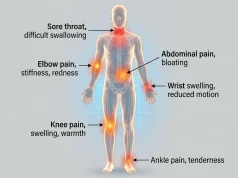

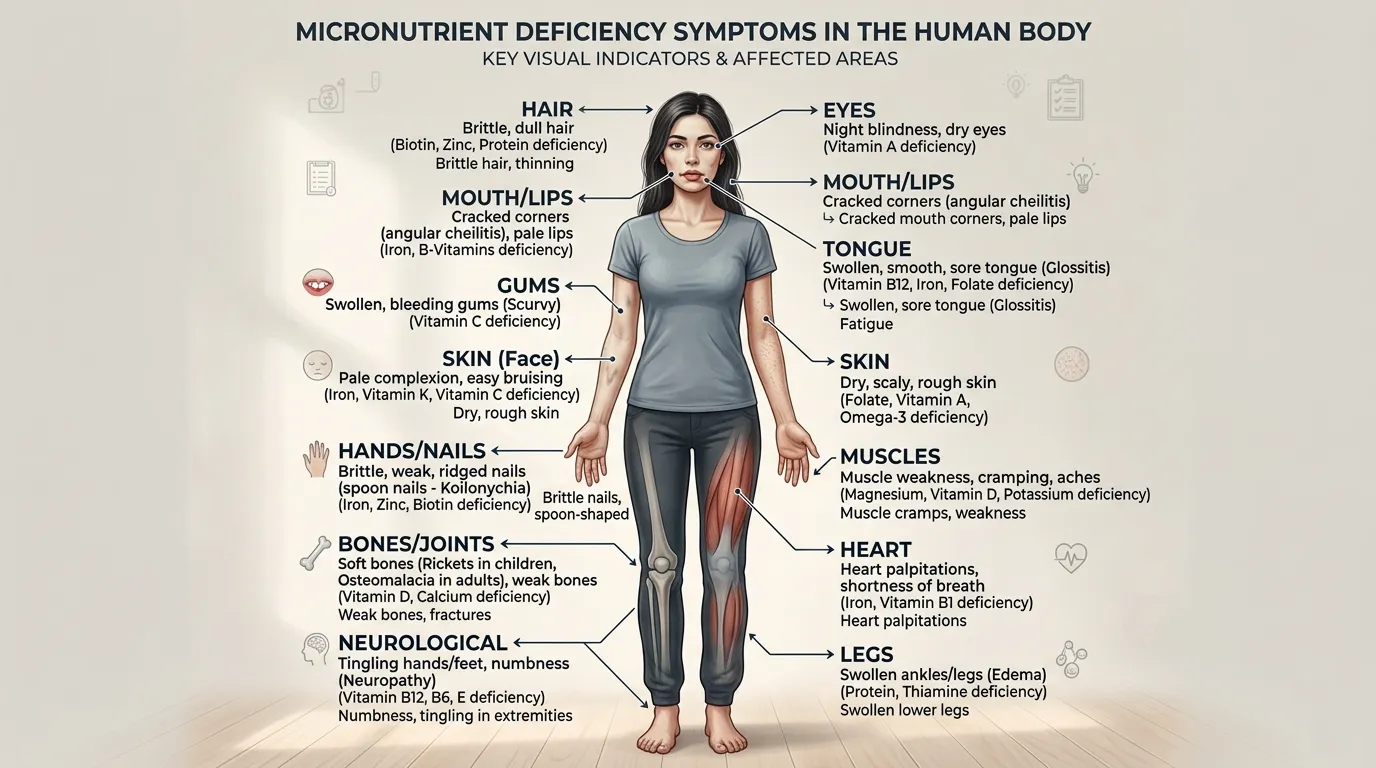
Micronutrient deficiency symptoms include fatigue, brain fog, brittle nails, muscle cramps, frequent illness, and mood changes. Iron, vitamin D, B12, magnesium, iodine, calcium, and zinc are the most common deficiencies worldwide. Blood tests can confirm specific gaps, and targeted diet or supplementation typically resolves symptoms.
Common Micronutrient Deficiency Symptoms by Nutrient
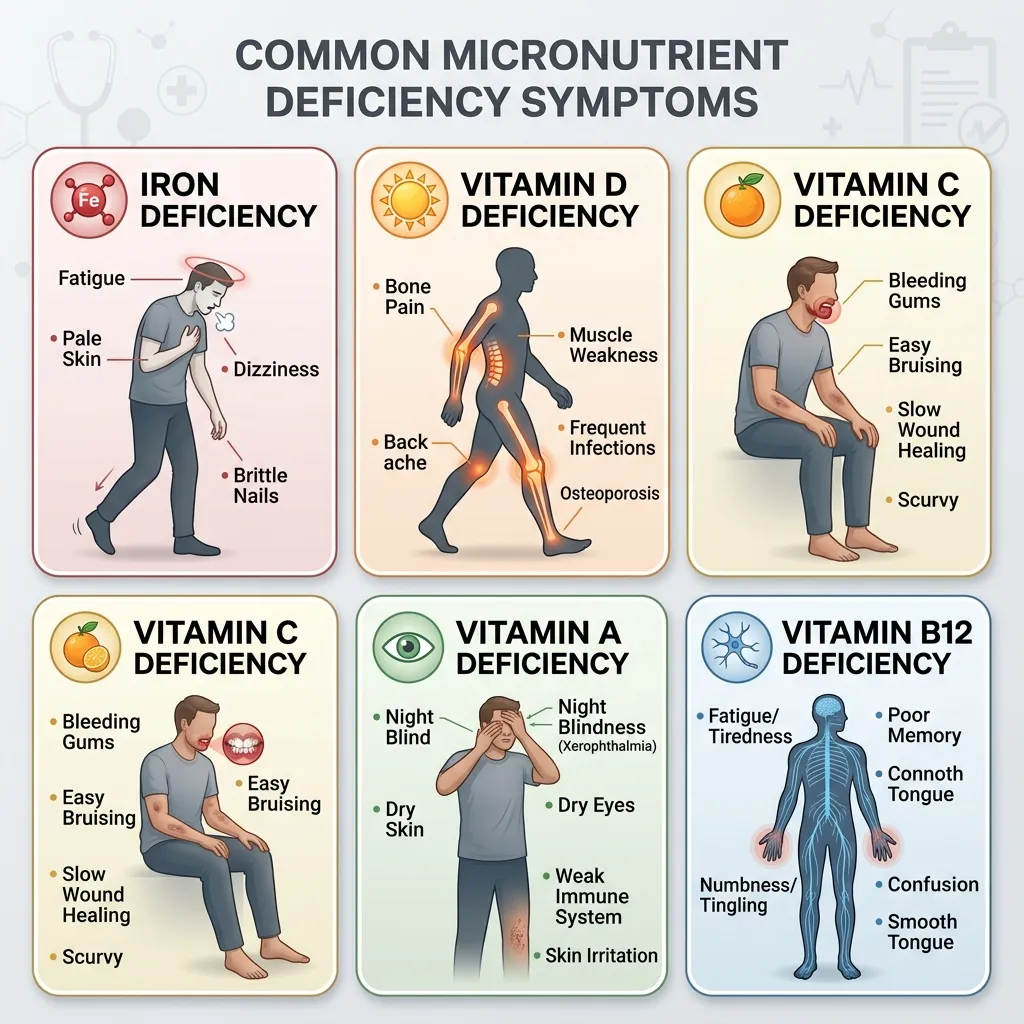
Iron Deficiency: Fatigue, Pale Skin, and More
Iron is the backbone of hemoglobin, the protein in red blood cells that carries oxygen from the lungs to every tissue in the body. When iron falls short, oxygen delivery drops—and the body struggles to meet even basic energy demands.
Signs of iron deficiency include:
- Persistent fatigue and weakness, even after adequate sleep
- Pale or yellowish skin, especially visible in the gums, inner eyelids, and nail beds
- Shortness of breath during mild activity
- Dizziness or lightheadedness
- Brittle nails and hair loss
- Pica—an unusual craving for non-food items like ice, dirt, or chalk
- Cold hands and feet
Iron-deficiency anemia is the most common nutritional deficiency in the world, particularly affecting women of reproductive age, pregnant women, and children. For a deeper look at how low iron connects to persistent exhaustion, the vitamin deficiency fatigue guide explores how nutrient gaps drain energy at the cellular level.
Vitamin D Deficiency: Bones, Mood, and Immunity
Vitamin D functions more like a hormone than a vitamin. It governs calcium absorption, regulates immune responses, and supports neurotransmitter synthesis. The body produces it through sun exposure, but modern indoor lifestyles and limited sunlight in higher latitudes mean deficiency is extremely common. The WHO estimates that over 1 billion people worldwide have inadequate vitamin D levels.
Nutrient deficiency symptoms in the body from low vitamin D include:
- Bone pain and tenderness, particularly in the back, hips, and legs
- Muscle weakness and easy fatigue
- Low mood, irritability, and seasonal depression
- Frequent infections and slow recovery from illness
- Brain fog and difficulty concentrating
Vitamin D deficiency impairs immune function by reducing the activation of T-cells—the cells responsible for targeting pathogens. This directly overlaps with the causes of a weak immune system, where low vitamin D ranks among the most globally prevalent immune vulnerabilities.
Vitamin B12 Deficiency: Nerve Health and Cognitive Function
Vitamin B12 is essential for myelin production—the protective sheath that wraps around nerve fibers and ensures fast, accurate signaling. It also drives the synthesis of red blood cells and DNA. B12 is found almost exclusively in animal products, placing vegans, vegetarians, and older adults (who produce less stomach acid) at the highest risk.
Signs of vitamin and mineral deficiency linked to low B12 include:
- Numbness, tingling, or burning sensations in the hands and feet
- Muscle weakness and balance problems
- Brain fog, memory lapses, and difficulty concentrating
- Mood changes, including depression and irritability
- Megaloblastic anemia (enlarged, poorly functioning red blood cells)
- Glossitis—a swollen, inflamed, or smooth tongue
According to the National Institutes of Health (NIH), B12 deficiency affects approximately 6% of adults under 60 and nearly 20% of those over 60. The brain fog vitamin deficiency link explains in detail how low B12 degrades nerve signaling and produces the mental cloudiness that many people mistake for stress or aging.
Magnesium Deficiency: Muscles, Heart, and Anxiety
Magnesium participates in over 300 enzymatic reactions, including those that regulate muscle contraction, nerve transmission, blood pressure, and blood sugar. Despite its widespread importance, dietary surveys suggest that a significant portion of the population consistently consumes less than the recommended daily amount.
Common micronutrient deficiency symptoms from low magnesium:
- Muscle cramps, spasms, and twitching
- Persistent fatigue and low energy
- Anxiety, restlessness, and heightened stress response
- Irregular heartbeat (palpitations)
- Headaches and migraines
- Poor sleep quality
Because magnesium also regulates the stress hormone cortisol, deficiency and anxiety reinforce each other in a feedback loop. Chronic stress depletes magnesium reserves, and low magnesium amplifies the physiological stress response—worsening both mood and sleep.
Iodine Deficiency: Thyroid Function and Cognitive Health
Iodine is the raw material the thyroid gland uses to produce its hormones, which regulate metabolism, body temperature, and development. Without enough iodine, the thyroid enlarges in an attempt to capture more from the bloodstream—producing a visible swelling in the neck called a goiter.
Nutrient deficiency symptoms in the body from low iodine:
- Goiter (enlarged thyroid gland)
- Unexplained weight gain and slowed metabolism
- Persistent fatigue and cold intolerance
- Brain fog and cognitive impairment, especially in children
- Dry skin and hair thinning
Iodine deficiency during pregnancy is particularly serious. The WHO identifies iodine deficiency as the world’s leading preventable cause of intellectual disability in children.
Calcium Deficiency: Muscles, Bones, and Skin
Calcium is the most abundant mineral in the body, with 99% stored in bones and teeth. The remaining 1% circulates in the blood and is critical for muscle contraction, nerve signaling, and cell communication. When dietary calcium is insufficient, the body pulls reserves from bones—gradually weakening them over time.
Signs of vitamin and mineral deficiency from low calcium:
- Muscle cramps and spasms, especially in the legs
- Dry, itchy skin and brittle nails
- Numbness or tingling around the mouth or in the fingers
- Dental problems, including weakened enamel
- Osteopenia progressing to osteoporosis over time
- Fatigue and difficulty sleeping
Calcium deficiency rarely causes severe short-term symptoms because the body aggressively maintains blood calcium at the expense of bone density. This is why the skeletal consequences of long-term low calcium intake often go unnoticed until a fracture occurs.
Zinc Deficiency: Immunity, Healing, and Taste
Zinc supports immune cell development, wound healing, protein synthesis, and DNA production. It also plays a direct role in taste and smell perception. Even mild zinc deficiency has measurable effects on immune performance.
Common micronutrient deficiencies symptoms from low zinc:
- Frequent infections and slow recovery
- Poor wound healing
- Hair loss and thinning
- Loss of appetite and altered taste or smell
- Delayed growth in children
- Skin rashes and acne
Zinc deficiency is especially prevalent in people who eat little animal protein, since plant-based zinc sources contain phytates that reduce absorption. Older adults, people with gastrointestinal conditions, and those with diabetes are also at elevated risk.
Recognizing the Signs: Subtle vs. Overt Symptoms
 Not all micronutrient deficiency symptoms are obvious. Some are subtle enough to be dismissed for years before a diagnosis is made.
Subtle signs that are often overlooked:
- Persistent low energy that never fully resolves with rest
- Slightly more frequent colds than usual
- Mild mood changes or increased irritability
- Slow hair growth or minor nail changes
- Occasional muscle cramps after exercise
Overt symptoms that require urgent attention:
- Severe fatigue with pale skin and shortness of breath (anemia)
- Visible goiter or rapid, unexplained weight changes
- Significant cognitive decline, memory gaps, or neurological tingling
- Bone fractures from minimal force
Early detection matters enormously. Deficiencies caught before they progress are significantly easier to correct and cause far less lasting harm. Several deficiencies—particularly iodine and vitamin D—can contribute to metabolic disruption that develops quietly over years. The early signs of metabolic dysfunction outlines how these systemic imbalances begin long before conventional blood markers show abnormalities.
How Micronutrient Deficiencies Affect the Whole Body
Skin, Hair, and Nails as Early Indicators
The skin, hair, and nails are among the fastest-growing tissues in the body, and they are often the first to reflect nutritional shortfalls. Iron deficiency produces pale skin and concave, spoon-shaped nails. Zinc deficiency manifests as acne, slow wound healing, and white spots on nails. Biotin (vitamin B7) deficiency causes brittle hair and nails. Vitamin C deficiency—though rare in high-income countries—leads to easy bruising and corkscrew-shaped body hair.
These visible changes serve as an accessible diagnostic window. A careful physical examination can point a clinician toward specific deficiencies before blood tests are ordered.
Neurological and Psychological Effects
Micronutrients power the brain. B12 and folate synthesize the neurotransmitters dopamine, serotonin, and norepinephrine. Magnesium regulates GABA receptors that calm the nervous system. Iron delivers the oxygen neurons need to fire. When these supplies fall short, the neurological fallout can be significant—ranging from low mood and anxiety to full cognitive decline.
The brain fog causes and symptoms guide provides a broader framework for understanding how nutritional gaps intersect with stress, sleep deprivation, and other cognitive disruptors. Vitamin deficiency is one of the most correctable causes of mental fog—making it essential to rule out before attributing cognitive symptoms to psychological causes alone.
Immune System Impact
Zinc, iron, vitamins A, C, D, and B6 are all required for normal immune function. A shortfall in any of these micronutrients reduces the body’s capacity to produce and activate immune cells, form antibodies, and maintain the physical barriers that keep pathogens out. The consequence is a pattern of frequent infections, prolonged illness, and slow recovery.
Addressing these nutritional gaps is one of the most direct ways to strengthen immune defenses. Correcting vitamin D and zinc levels, in particular, has demonstrated measurable improvements in immune resilience across multiple clinical settings.
Energy Levels and Physical Performance
Fatigue is the most universally reported micronutrient deficiency symptom—and for good reason. Iron limits oxygen transport. B vitamins are required at every stage of energy metabolism. Magnesium drives the production of ATP, the molecule that powers cellular work. Iodine regulates the metabolic rate that determines how efficiently the body converts food into energy.
Athletes and physically active individuals face a compounded risk. High training loads increase micronutrient losses through sweat and metabolism, while dietary restrictions common in sport—whether intentional or inadvertent—can leave intake well below what the body demands.
Common Micronutrient Deficiencies Symptoms Checklist
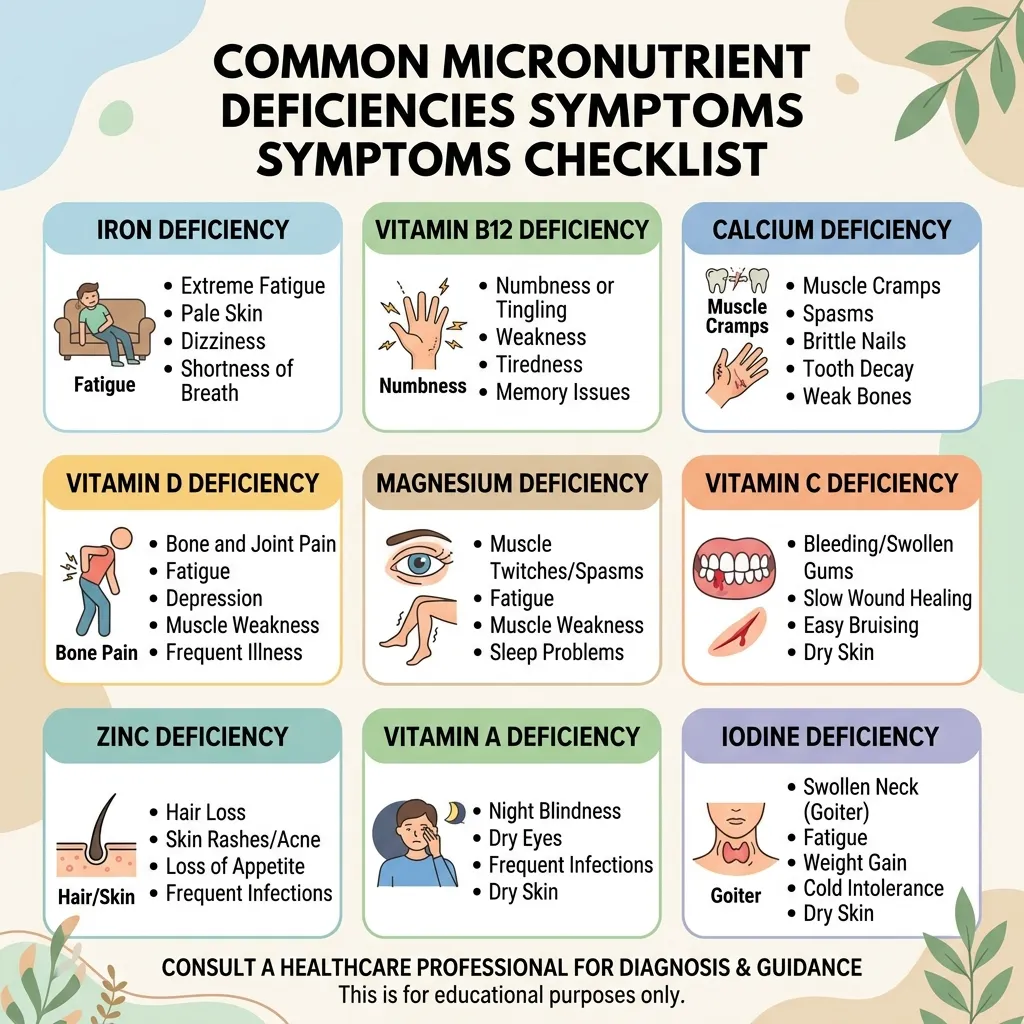 Use this self-assessment to identify patterns that may indicate micronutrient deficiency symptoms and may warrant further investigation. A “yes” answer to multiple questions in the same category is a strong signal to consult a healthcare provider for possible vitamin and mineral deficiency symptoms.
Fatigue and Energy
Do you feel persistently tired despite adequate sleep?
Do you experience significant energy crashes in the afternoon?
Do you feel cold more often than those around you?
These are common signs of micronutrient deficiency affecting energy metabolism and thyroid-related nutrients.
Cognitive and Neurological
Do you experience frequent brain fog, forgetfulness, or difficulty concentrating?
Do you have tingling or numbness in your hands or feet?
Do you feel more anxious, irritable, or low in mood without a clear cause?
These are key nutrient deficiency symptoms in the body, often linked to B12, iron, and magnesium.
Physical and Structural
Are your nails brittle, spoon-shaped, or showing white spots?
Do you experience muscle cramps or spasms, especially at night?
Have you noticed increased hair loss or thinning?
These are visible micronutrient deficiency symptoms related to mineral and vitamin imbalance.
Immunity and Recovery
Do you catch colds or infections more than two to three times per year?
Do wounds heal slowly?
Do you experience persistent digestive discomfort or irregular bowel habits?
These are common vitamin and mineral deficiency symptoms affecting immune function and gut health.
When to consult a healthcare professional
If you checked three or more items in any category, or noticed symptoms across multiple categories, a targeted blood panel is the appropriate next step. Do not attempt to self-diagnose or begin supplementation without testing first, as untreated micronutrient deficiency symptoms can worsen over time and affect multiple body systems.

Dietary Interventions: Building a Nutrient-Dense Plate
Food-first approaches are the foundation of deficiency prevention. Each micronutrient has reliable dietary sources:
- Iron: Red meat, organ meats, lentils, spinach, and fortified cereals. Pair plant-based iron with vitamin C to improve absorption.
- Vitamin D: Fatty fish (salmon, mackerel), egg yolks, fortified dairy and plant milks, and sensible sun exposure.
- Vitamin B12: Beef liver, clams, sardines, eggs, dairy, and fortified plant-based foods for vegans.
- Magnesium: Nuts, seeds, dark chocolate, leafy greens, whole grains, and legumes.
- Iodine: Iodized salt, seaweed, dairy products, and seafood.
- Calcium: Dairy products, fortified plant milks, tofu, sardines, and dark leafy greens.
- Zinc: Red meat, shellfish (especially oysters), legumes, nuts, and seeds.
Dietary diversity is the most powerful protective factor. Eating from a wide range of whole-food groups reduces the risk of any single nutrient falling below threshold.
Supplementation: When and What to Consider
Supplementation is appropriate when dietary intake cannot correct a confirmed deficiency quickly enough, or when absorption is structurally impaired. Key considerations:
- Severe B12 deficiency often requires intramuscular injections or high-dose oral supplementation due to impaired intrinsic factor
- Vitamin D supplementation is frequently necessary at northern latitudes, in darker-skinned individuals with limited sun exposure, and in adults over 65
- Fat-soluble vitamins (D, A, E, K) carry toxicity risk at high doses—always test before supplementing and confirm dosing with a healthcare provider
- Iron supplementation should only begin after confirmed deficiency; excess iron causes oxidative stress and gastrointestinal damage
Lifestyle Modifications
Several lifestyle factors directly affect micronutrient status:
- Reduce alcohol: Alcohol depletes B vitamins, zinc, and magnesium, and impairs liver function that is critical for vitamin D activation
- Manage stress: Chronic stress depletes magnesium and vitamin C. For a deeper understanding of how prolonged stress disrupts physiological balance, the mental fog after stress and anxiety guide explains the bidirectional relationship between nutritional depletion and stress physiology
- Optimize gut health: A healthy gut microbiome is essential for absorbing many micronutrients. Poor gut health directly reduces the uptake of iron, B12, magnesium, and zinc
- Exercise regularly: Moderate physical activity improves circulation and metabolic efficiency, supporting nutrient delivery to tissues
Micronutrient Health and Its Connection to Chronic Disease
Metabolic Function
Micronutrient deficiencies do not just produce isolated symptoms—they contribute to systemic dysfunction over time. Magnesium and chromium regulate insulin sensitivity. Iodine governs thyroid-mediated metabolism. Vitamin D modulates inflammatory pathways that underpin metabolic syndrome. When multiple deficiencies coexist, the cumulative metabolic burden is substantial and can accelerate the progression of conditions like type 2 diabetes and cardiovascular disease.
Cognitive Health
The relationship between micronutrients and brain function is direct and well-documented. B vitamins build neurotransmitters. Iron oxygenates neurons. Zinc modulates hippocampal memory formation. Magnesium regulates sleep—the process through which the brain consolidates information and clears metabolic waste. Deficiencies in these nutrients produce a cognitive profile that closely resembles—and is sometimes mistaken for—early neurodegeneration.
Chronic Disease Risk
Long-term micronutrient insufficiency has been linked to elevated risk of osteoporosis (calcium and vitamin D), cardiovascular disease (magnesium and B vitamins via homocysteine), immune dysfunction (zinc and vitamins C, D), and certain cancers (folate deficiency is associated with elevated colorectal cancer risk). The Harvard T.H. Chan School of Public Health notes that a diet rich in diverse micronutrients is one of the most evidence-based strategies for reducing chronic disease risk across the lifespan.
Take Action on Your Nutritional Health
 Micronutrient deficiency symptoms are widespread, often subtle, and routinely overlooked—but they are not inevitable. The body communicates early and consistently when its nutritional needs go unmet. Fatigue, brain fog, brittle nails, muscle cramps, and frequent illness are not random inconveniences. They are signals worth taking seriously.
The practical path forward is straightforward: eat a diverse, whole-food diet, minimize alcohol and ultra-processed foods, manage stress proactively, and ask your doctor for a comprehensive micronutrient blood panel if multiple items on the symptoms checklist resonate with your experience. Early detection and targeted intervention can resolve most deficiencies within weeks to months—and the cognitive, physical, and immune benefits of doing so are substantial.
Your nutrition is not a background variable. It is the foundation on which everything else runs.