


The early signs of metabolic dysfunction include fatigue, weight gain around the abdomen, erratic blood sugar, high blood pressure, and sleep issues. Identifying these warnings allows for timely lifestyle changes to restore health.
The early signs of metabolic dysfunction include persistent fatigue, unexplained abdominal weight gain, erratic blood sugar levels, high blood pressure, elevated cholesterol, skin tags, and sleep disturbances. Identifying these warning signs of metabolic dysfunction early allows individuals to reverse metabolic dysfunction symptoms through targeted diet, exercise, and lifestyle changes before chronic diseases develop.
Your metabolism is the engine that powers every cell in your body. When this complex system runs smoothly, you experience consistent energy, stable moods, and a healthy weight. When the engine begins to falter, the body sends out subtle distress signals long before a doctor diagnoses a formal medical condition. Recognizing these early signs of metabolic dysfunction provides a critical window of opportunity to intervene and protect your long-term health.
Many people dismiss these initial physical changes as normal parts of aging or the unavoidable side effects of a busy schedule. You might blame your afternoon energy crashes on a poor night of sleep, or attribute a growing waistline to your genetics. However, these seemingly minor complaints frequently point to a deeper cellular issue. Metabolic health dictates how efficiently your body converts food into energy. When cells lose this efficiency, systemic problems begin to take root.
Understanding the warning signs of metabolic dysfunction empowers you to take control of your health. By the time routine blood tests show severe abnormalities, metabolic dysfunction symptoms have often been silently progressing for years. This comprehensive guide details exactly what to look for, the underlying mechanisms driving these changes, and the actionable steps you can take to restore optimal metabolic function.
What is metabolic dysfunction and why is it a silent epidemic?
 Metabolic dysfunction occurs when the body loses its ability to properly process and distribute energy. At the core of this issue is insulin resistance. Insulin is the hormone responsible for unlocking cells so they can absorb glucose (sugar) from the bloodstream. When cells become resistant to insulin, the pancreas must produce more of the hormone to achieve the same effect. Over time, high insulin levels and elevated blood sugar trigger a cascade of negative health effects.
According to a study published by the University of North Carolina at Chapel Hill [UNC, 2018], only 12% of American adults are considered metabolically healthy. This means the vast majority of the population experiences some degree of metabolic impairment.
This silent epidemic drives many of the modern world’s most common chronic illnesses, including type 2 diabetes, cardiovascular disease, and fatty liver disease. Because the early stages of this decline rarely cause severe pain or immediate disability, millions of people live with active metabolic dysfunction symptoms without realizing their cellular health is compromised.
What are the key early warning signs of metabolic dysfunction?
The body communicates cellular distress through physical symptoms. Paying attention to these early signs of metabolic dysfunction can help you catch insulin resistance before it progresses into a chronic disease.
Why does metabolic dysfunction cause persistent fatigue and low energy?
When your cells resist insulin, they cannot effectively absorb glucose. Since glucose is the primary fuel source for the body, insulin-resistant cells are essentially starving, even if you have just eaten a large meal. This energy crisis manifests as persistent, heavy fatigue that does not resolve with rest. If you frequently rely on caffeine to get through the day or experience severe energy slumps after meals, you are likely experiencing one of the earliest warning signs of metabolic dysfunction. This severe exhaustion often overlaps with vitamin deficiency fatigue, meaning a proper medical evaluation is essential to identify the exact cause of your tiredness.
How does unexplained abdominal weight gain indicate metabolic issues?
Not all body fat is created equal. Visceral fat, which accumulates deep within the abdomen and surrounds the internal organs, is highly metabolically active. High insulin levels directly promote the storage of visceral fat. If you notice your waistline expanding even though your diet and exercise habits have not changed, your body is likely struggling with insulin resistance. A waist circumference greater than 40 inches for men, or 35 inches for women, is a widely recognized clinical indicator of metabolic risk.
What causes blood sugar roller coasters and intense food cravings?
Healthy metabolism maintains blood sugar in a tight, stable range. Metabolic dysfunction causes these levels to spike rapidly after eating carbohydrates, followed by a steep crash as the body overproduces insulin to compensate. This crash triggers intense cravings for sugar and refined carbohydrates, creating a vicious cycle of overeating and further metabolic strain.
Why is high blood pressure linked to metabolic health?
Elevated insulin levels cause the kidneys to retain sodium and water, which increases blood volume. Furthermore, insulin resistance damages the endothelial cells lining the blood vessels, preventing them from relaxing properly. These mechanisms combine to raise blood pressure. Many individuals can improve their cardiovascular health by following a structured hypertension management home guide, which focuses on dietary changes that also benefit insulin sensitivity.
How do elevated cholesterol and triglyceride levels reflect metabolic damage?
Metabolic dysfunction alters how the liver processes fats. This typically results in high levels of triglycerides (fats in the blood) and low levels of HDL (high-density lipoprotein, or “good” cholesterol). This specific lipid profile is a strong predictor of cardiovascular disease and a hallmark of metabolic syndrome.
What are the specific skin manifestations of metabolic dysfunction?
The skin often reveals what is happening internally. High levels of circulating insulin cause skin cells to multiply rapidly. This can result in acanthosis nigricans, a condition characterized by dark, velvety patches of skin, typically found on the back of the neck, armpits, or groin. Additionally, an increase in skin tags is frequently associated with underlying insulin resistance.
How is the gut health link connected to digestive issues?
The gut microbiome plays a major role in regulating metabolism and inflammation. A diet high in processed foods disrupts this delicate bacterial balance. Recognizing gut health imbalance symptoms and effects—such as chronic bloating, gas, and irregular bowel movements—is vital, as gut dysbiosis can directly impair how your body processes sugar and fats.
What is the connection between sleep disturbances and metabolism?
Poor sleep directly reduces insulin sensitivity. Just one night of disrupted sleep can temporarily induce insulin resistance in otherwise healthy individuals. Conditions like obstructive sleep apnea are highly prevalent in people with metabolic issues. The resulting oxygen deprivation further stresses the body, raising cortisol levels and exacerbating weight gain and blood sugar imbalances.
What are the underlying causes and risk factors for metabolic dysfunction?
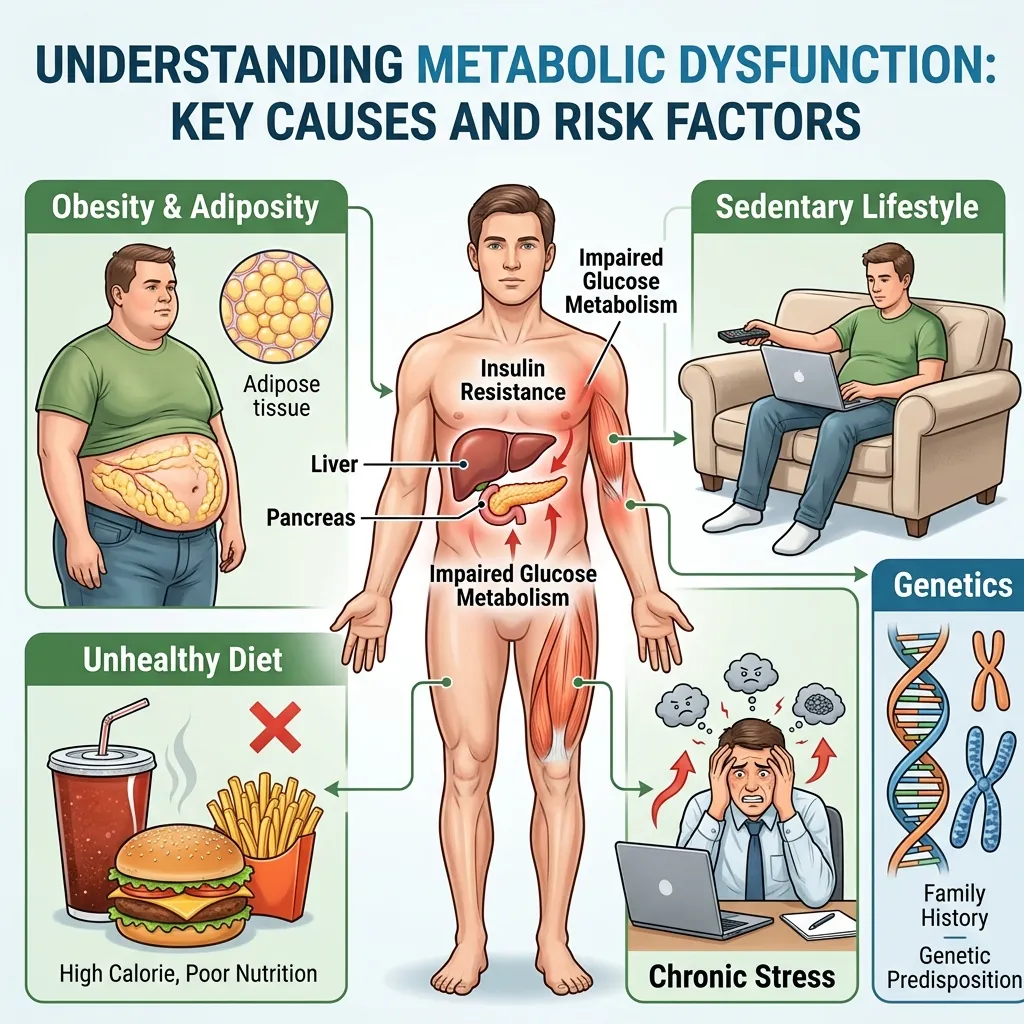 Metabolic health is determined by a complex interaction between your daily habits, your environment, and your genetics.
How do lifestyle choices impact metabolic health?
The modern lifestyle is the primary driver of the metabolic health crisis. Diets high in refined sugars, ultra-processed foods, and seed oils overwhelm the body’s energy processing systems. A lack of physical activity compounds this issue, as muscle tissue is the largest consumer of glucose in the body. Furthermore, chronic psychological stress elevates cortisol, a hormone that directly increases blood sugar levels and promotes fat storage.
What role do genetic predispositions play?
While lifestyle is the dominant factor, genetics influence how easily a person might develop metabolic dysfunction symptoms. A family history of type 2 diabetes, obesity, or early cardiovascular disease indicates a higher genetic susceptibility. However, genetics only load the gun; lifestyle pulls the trigger.
How do environmental factors disrupt metabolism?
Exposure to endocrine-disrupting chemicals (EDCs) found in plastics, personal care products, and pesticides can interfere with hormonal signaling. Chronic exposure to these toxins places additional strain on the liver and alters how the body stores fat, contributing to the early signs of metabolic dysfunction.
How is metabolic dysfunction diagnosed by healthcare professionals?
You cannot manage what you do not measure. Identifying metabolic issues requires specific blood tests.
What are the essential tests for metabolic health?
Standard physical exams often miss early metabolic decline. To get an accurate picture, request the following tests:
- Fasting Insulin: This is often the first marker to rise, sometimes years before blood sugar levels become abnormal.
- Hemoglobin A1c (HbA1c): This measures your average blood sugar levels over the past three months.
- Lipid Panel: Specifically look at the ratio of triglycerides to HDL cholesterol.
- High-Sensitivity C-Reactive Protein (hs-CRP): This measures systemic inflammation, a key driver of metabolic disease.
When should you consult a healthcare professional?
If you exhibit multiple warning signs of metabolic dysfunction—such as stubborn abdominal fat, chronic fatigue, and high blood pressure—schedule a comprehensive evaluation with your doctor. Early intervention is the most effective way to prevent permanent organ damage.
What are the best strategies for prevention and reversal?
 The human body is remarkably resilient. By implementing targeted strategies, you can restore insulin sensitivity and reverse early metabolic damage.
What dietary interventions support metabolic healing?
Nutrition is your most powerful tool. Focus on consuming whole, unprocessed foods. Prioritize high-quality proteins, healthy fats (like avocados, nuts, and olive oil), and fiber-rich vegetables. Eliminate sugary beverages, refined flours, and ultra-processed snacks. For individuals struggling with severe blood sugar imbalances, utilizing a type 2 diabetes management home guide can provide structured meal planning strategies. Additionally, follow the CDC guidelines on metabolic health for evidence-based nutritional recommendations.
Why is regular physical activity essential?
Exercise acts like a sponge for excess blood sugar. Resistance training builds muscle mass, which creates a larger storage reservoir for glucose, pulling it out of the bloodstream. Cardiovascular exercise improves the health of your mitochondria, the energy-producing factories within your cells. Aim for a mix of weight lifting and moderate aerobic activity each week.
How do stress management techniques improve metabolism?
Because chronic stress keeps cortisol and blood sugar elevated, actively managing stress is a metabolic necessity. Incorporate daily practices such as deep breathing, meditation, or spending time in nature to calm the nervous system and lower systemic inflammation.
Why is quality sleep crucial for metabolic health?
Protect your sleep environment aggressively. Aim for seven to nine hours of uninterrupted sleep per night. Keep your bedroom cool and dark, and avoid screens for at least an hour before bed. High-quality sleep allows the body to repair tissues and reset hormonal balances for the following day.
Which targeted supplements help support metabolism?
While you cannot out-supplement a poor diet, certain compounds can aid metabolic recovery. Berberine, magnesium, and alpha-lipoic acid have been shown in clinical settings to support healthy blood sugar levels. Always consult a healthcare provider before starting a new supplement regimen to ensure it does not interact with your current medications.
Conclusion
Metabolic dysfunction is not an inevitable consequence of aging. It is a biological mismatch between our evolutionary biology and our modern environment. By learning to recognize the early signs of metabolic dysfunction—from unexplained fatigue to climbing blood pressure—you gain the power to change your trajectory.
Take a proactive approach. Request comprehensive blood work from your doctor, prioritize whole foods, build muscle, and guard your sleep. Reversing metabolic dysfunction symptoms requires consistent, daily effort, but the reward is a life filled with vibrant energy, mental clarity, and long-term vitality. Review the World Health Organization reports on cardiovascular risk to understand exactly why protecting your metabolic engine should be your top health priority.