
Your hormones work quietly behind the scenes, shaping how you feel, think, sleep, and function every single day. When these chemical messengers fall out of sync, the effects ripple across your entire body—sometimes in ways that are easy to dismiss as stress or simple tiredness. That is exactly why hormonal imbalance often goes unnoticed for months or even years.
The truth is, the signs of hormonal imbalance are common and surprisingly varied. One person might struggle with stubborn weight gain and brain fog, while another faces irregular periods, low energy, or persistent acne. Because the symptoms overlap with so many other conditions, recognizing them early can make a real difference in your health.
This comprehensive guide breaks down the most important hormonal imbalance symptoms, explains the underlying hormone imbalance causes, and walks through practical hormonal imbalance treatment options. By the end, you will understand what your body may be trying to tell you—and what steps you can take to restore balance and feel like yourself again.
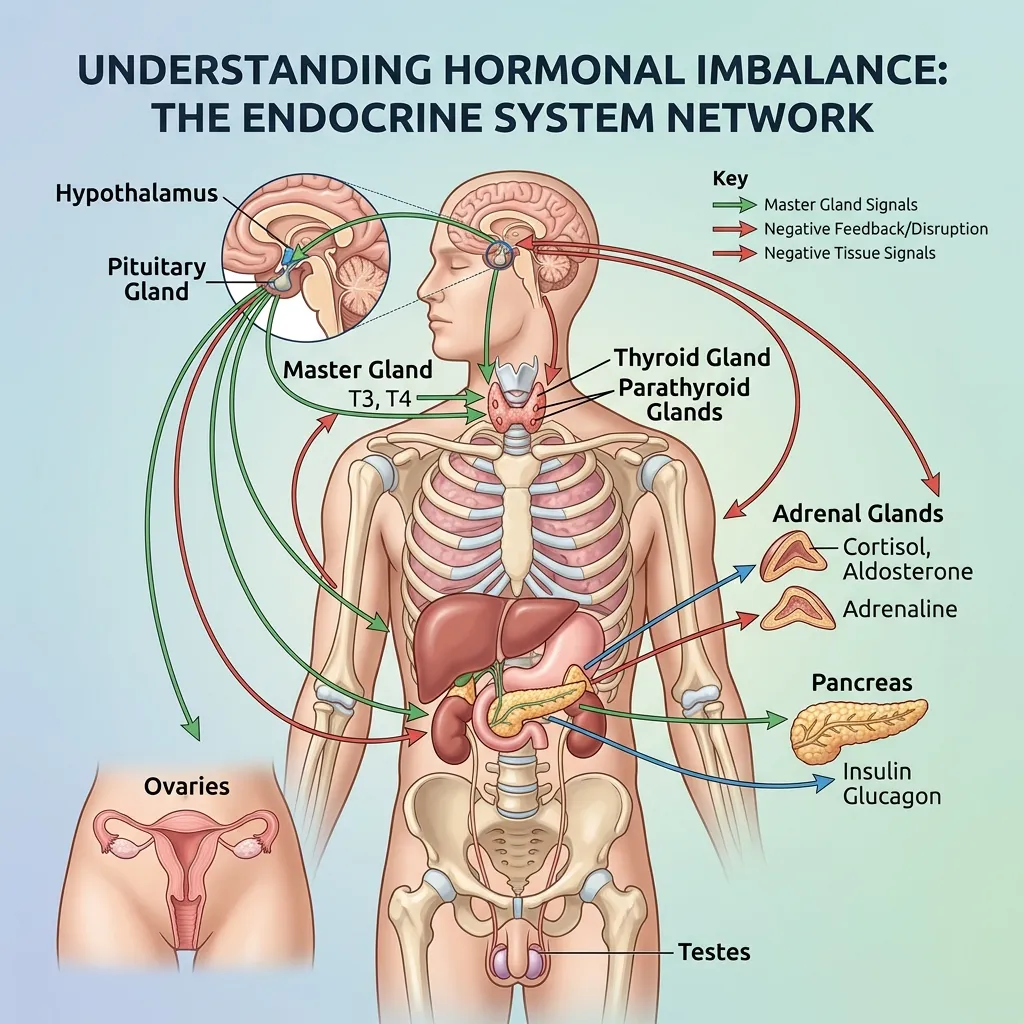 A hormonal imbalance occurs when there is too much or too little of a hormone circulating in your bloodstream. Hormones are powerful chemical messengers produced by the endocrine glands, and they play a crucial role in coordinating many essential functions throughout the body. These messengers travel through the bloodstream to target organs and tissues, instructing them when and how to perform specific activities.
Common Hormonal Imbalance Symptoms: A Detailed Look
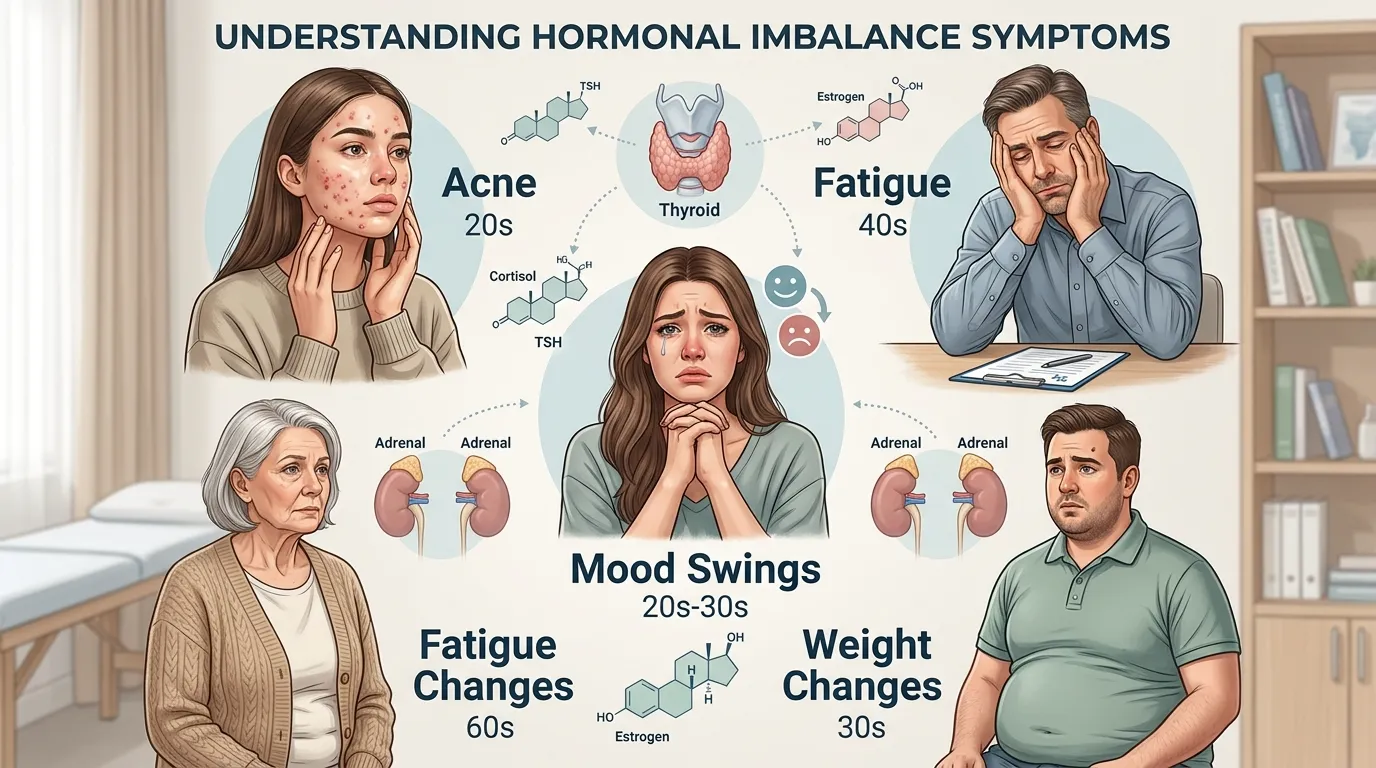
 The signs of hormonal imbalance can affect nearly every system in the body. Here is a closer look at how they show up across different areas of your health.
How Does Hormonal Imbalance Affect Mood and Mental Health?
Your brain is highly sensitive to hormone fluctuations. Even minor shifts can change how you feel and think. Common mental and emotional symptoms include:
- Irritability and mood swings: Sudden emotional changes that feel out of proportion to what is happening around you.
- Anxiety and depression: Hormones like cortisol and estrogen directly affect mood-regulating brain chemicals. Persistent low mood or worry can be a warning sign. These often overlap with the physical symptoms of stress, since chronic stress and hormones are tightly linked.
- Brain fog and trouble concentrating: Difficulty focusing, forgetfulness, and slow thinking are common. Our guide to brain fog causes and treatment explains how hormones disrupt mental clarity.
- Sleep disturbances: Insomnia and poor-quality sleep frequently accompany hormone shifts, especially imbalances in cortisol and melatonin.
What Are the Energy and Metabolism Symptoms?
Hormones drive how your body produces and uses energy. When they fall out of balance, your metabolism often follows. Watch for:
- Chronic fatigue: Feeling drained even after a full night’s sleep is one of the most common hormonal imbalance symptoms.
- Unexplained weight gain: Difficulty losing weight, or gaining it without changing your habits, often points to thyroid or insulin problems.
- Increased appetite or cravings: Hormonal shifts can intensify hunger and sugar cravings.
- Digestive issues: Bloating and constipation can result from hormonal changes affecting gut function.
How Does Hormonal Imbalance Affect Skin, Hair, and Nails?
Your skin, hair, and nails often reveal what is happening inside your body, making them useful early indicators. Common signs include:
- Acne and breakouts: Excess androgens can trigger oil production and clogged pores.
- Dry or oily skin: Shifting hormone levels affect your skin’s moisture balance.
- Hair loss or thinning: Thyroid problems and other imbalances commonly cause shedding. Nutritional gaps can play a role too, as explained in our guide to micronutrient deficiency symptoms.
- Brittle nails: Weak, easily broken nails can signal a thyroid imbalance.
What Are the Reproductive and Sexual Health Symptoms?
Because sex hormones are central to reproductive health, imbalances often show up here first. Symptoms differ between women and men.
For women, common signs include:
- Irregular periods, heavy bleeding, or painful periods
- PCOS symptoms such as excess hair growth, acne, and fertility challenges
- Worsening premenstrual syndrome (PMS)
- Low libido
- Hot flashes and night sweats during perimenopause or menopause
For men, common signs include:
- Low libido and erectile dysfunction
- Loss of muscle mass and increased body fat
- Gynecomastia (enlarged breast tissue)
- Fatigue and reduced stamina
What Other Symptoms Can Hormonal Imbalance Cause?
Beyond the main categories, hormonal imbalance can produce several systemic symptoms:
- Headaches and migraines, often tied to estrogen fluctuations
- Muscle weakness and joint pain
- Increased sensitivity to heat or cold, a classic thyroid sign
- Frequent infections, since hormones influence immunity. Our guide to the causes of a weak immune system explores this link in detail.
What Are the Main Hormone Imbalance Causes?
 Understanding the root of the problem is essential for effective hormonal imbalance treatment. The causes generally fall into two groups: lifestyle factors and medical conditions.
Which Lifestyle Factors Disrupt Hormones?
Your daily habits have a powerful influence on hormone balance. Key contributors include:
- Chronic stress: Ongoing stress keeps cortisol elevated, which throws off thyroid, insulin, and reproductive hormones. The connection runs deep, as our guide to the physical symptoms of stress explains.
- Poor diet: Diets high in processed foods and sugar, and low in nutrients, impair hormone production.
- Sedentary lifestyle: A lack of physical activity contributes to insulin resistance and weight gain.
- Inadequate sleep: Poor sleep disrupts cortisol, insulin, and appetite hormones.
- Environmental toxins: Certain chemicals, known as endocrine disruptors, interfere with normal hormone signaling.
Which Medical Conditions Cause Hormonal Imbalance?
Several health conditions are directly linked to hormone disruption:
- Thyroid disorders: Both hypothyroidism (underactive) and hyperthyroidism (overactive) alter metabolism and energy.
- Diabetes: Insulin problems are a core feature of this condition.
- Adrenal insufficiency: When the adrenal glands underproduce key hormones, fatigue and weakness follow.
- PCOS (Polycystic Ovary Syndrome): A common cause of hormonal imbalance in women of reproductive age.
- Menopause and andropause: Natural age-related declines in sex hormones cause widespread symptoms.
- Pituitary tumors: Growths on the master gland can disrupt the entire hormone network.
How Is Hormonal Imbalance Diagnosed?
Because symptoms overlap with so many other conditions, accurate diagnosis relies on clinical evaluation and testing rather than guesswork. A doctor will typically review your medical history, ask about your symptoms, and order specific tests.
Common diagnostic methods include:
- Blood tests to measure levels of estrogen, testosterone, cortisol, and other hormones
- Thyroid function tests (T3, T4, and TSH) to check thyroid health
- Insulin and blood sugar testing for metabolic assessment
- Imaging scans in certain cases, such as when a tumor or gland abnormality is suspected
Early and accurate diagnosis matters. It allows your healthcare provider to identify the underlying cause and begin treatment before complications develop.
What Are the Best Hormonal Imbalance Treatment Options?
Effective hormonal imbalance treatment depends on the underlying cause, the severity of symptoms, and your overall health. In most cases, the best results come from combining medical care with lifestyle changes.
Medical Treatments
When a specific condition or significant hormone deficiency is involved, medical treatment is often necessary:
- Hormone replacement therapy (HRT): Used to restore low levels of estrogen, progesterone, or testosterone.
- Thyroid medications: Prescribed to correct an underactive or overactive thyroid.
- Insulin-regulating drugs: Used to manage blood sugar in metabolic conditions like diabetes and PCOS.
Choose medical treatment when symptoms are severe, persistent, or linked to a diagnosed condition like a thyroid disorder or diabetes—lifestyle changes alone are rarely enough in these cases.
Lifestyle Changes
For milder imbalances, and as a foundation for any treatment plan, lifestyle adjustments are powerful tools:
- Eat a balanced, nutrient-rich diet with whole foods, healthy fats, and plenty of vegetables.
- Exercise regularly to support metabolism and natural hormone regulation.
- Manage stress through meditation, yoga, or deep breathing to lower cortisol.
- Prioritize sleep, aiming for seven to eight hours each night to stabilize hormone cycles.
Natural Support
Used alongside medical care, supportive strategies can improve results:
- Herbal supplements, taken only under medical supervision
- Balanced nutrition with adequate vitamins and minerals
- Proper hydration to support metabolic and endocrine function
Hormonal Imbalance in Women vs. Men
Hormonal imbalance affects both sexes, but the patterns and causes differ.
Women experience natural hormone shifts during menstruation, pregnancy, postpartum, and menopause. These stages involve major changes in estrogen and progesterone, which can trigger irregular cycles, mood swings, weight changes, skin issues, and fatigue. Persistent imbalances may also affect fertility.
Men more often experience imbalances tied to declining testosterone, chronic stress, or poor lifestyle habits. This can lead to low energy, muscle loss, mood changes, and reduced libido.
Because the underlying causes differ, both men and women benefit from personalized evaluation and treatment.
When Should You See a Doctor?
 Occasional symptoms are normal, but persistent or worsening signs deserve medical attention. Consult a healthcare provider if you experience:
- Symptoms that last several weeks or longer
- Severe or persistent fatigue affecting daily life
- Irregular or missed menstrual cycles
- Sudden, unexplained weight changes
Timely medical advice helps identify the root cause and prevents the condition from progressing. Early intervention almost always improves treatment outcomes.
Conclusion
Hormonal imbalance symptoms can touch every part of your life—your energy, mood, weight, skin, and relationships. The good news is that most hormonal issues can be managed effectively once the underlying cause is identified. Recognizing the early signs of hormonal imbalance puts you in a stronger position to act.
Start by paying attention to patterns in how you feel. Track persistent symptoms, build healthy daily habits around diet, sleep, exercise, and stress, and do not hesitate to seek professional evaluation. With the right combination of medical care and lifestyle changes, restoring balance and feeling like yourself again is well within reach.
Frequently Asked Questions
1. What are the most common hormonal imbalance symptoms?
The most common symptoms include fatigue, mood swings, unexplained weight changes, irregular sleep, acne, hair loss, and low libido. These signs often develop gradually and affect both physical and mental health.
2. What are the early signs of hormonal imbalance?
Early signs include persistent fatigue, low energy, mood swings, acne, and irregular cycles. Many people mistake these for stress or aging, which delays diagnosis. Recognizing them early leads to better outcomes.
3. What are the main hormone imbalance causes?
The main causes are chronic stress, poor diet, lack of sleep, a sedentary lifestyle, and medical conditions like thyroid disorders, diabetes, and PCOS. Identifying the root cause is key to effective treatment.
4. Can hormonal imbalance be treated?
Yes. Hormonal imbalance treatment may include hormone replacement therapy, thyroid medication, insulin regulation, and lifestyle changes. The right approach depends on the underlying cause and symptom severity.
5. How is hormonal imbalance diagnosed?
It is diagnosed through blood tests that measure hormone levels, thyroid function tests, and insulin testing. In some cases, imaging scans are used. Accurate diagnosis guides effective treatment.
6. Does stress cause hormonal imbalance?
Yes. Chronic stress raises cortisol levels, which disrupt thyroid, insulin, and reproductive hormones. Over time, this can lead to fatigue, weight changes, and mood problems. Managing stress is essential for hormonal health.
7. Can diet affect hormones?
Absolutely. A diet rich in whole foods and healthy fats supports hormone production, while processed foods and excess sugar can disrupt it. Good nutrition is a cornerstone of hormonal balance.
8. How long does it take to fix a hormonal imbalance?
The timeline varies by cause and treatment. Lifestyle-driven imbalances may improve in weeks to months, while medical conditions often require ongoing management. Consistency is essential for lasting results.
9. Who is more affected by hormonal imbalance?
Both men and women experience hormonal imbalance, but women are more commonly affected due to natural hormonal cycles like menstruation, pregnancy, and menopause. Age and lifestyle also influence risk.
10. Can exercise help balance hormones?
Yes. Regular exercise improves metabolism, lowers stress hormones, and supports insulin sensitivity. Consistent moderate activity is one of the most effective natural ways to support hormonal balance.